

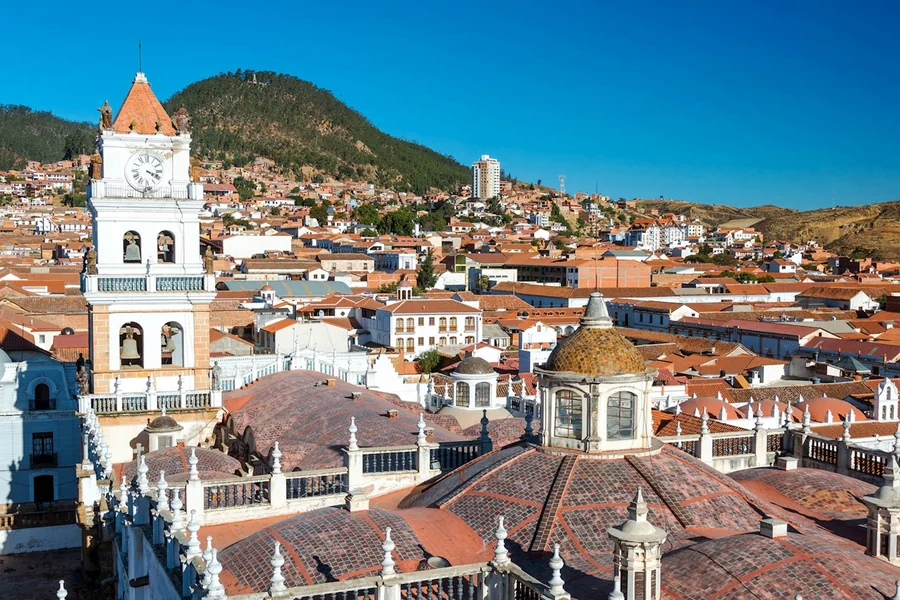
Sucre Bolivia is a city of the most beautiful and important history of South America. Sucre is a charming blend of stunning architecture, intriguing museums, mountain views and leisurely way of life all enhanced by the fact that it is called the White City due to its whitewashed colonial buildings. Being the capital of Bolivia in terms of its constitution it was the center stage of the independence of Bolivia and hence is one of the most appropriate places where people can enjoy the history and culture of Bolivia.
It can be historic churches, colorful markets, or just walking along quaint streets, Sucre provides a pace that is not that fast as most other South American locations but will provide visitors with images of unparalleled beauty and a wealth of traditions.
Table of Contents
Why Sucre Is Called the White City
Sucre was given its nickname due to its spectacular colonial design. Its numerous churches, government buildings and old houses have white fronts which make the city center bright and exquisite.
Established in the 16th century when it was part of the Spanish colonial rule, Sucre was a major political, religious and educational hub. One of the earliest independent movement in South America took place there in 1809 and the historic center of the city is now a UNESCO World Heritage Site.
Taking a stroll in Sucre is like entering a different time dimension, as the streets are paved with cobblestones, the balconies are painted with colourful and ornate details and the plazas are lovely in nearly every turn.
The top Sucre activities
The best thing about Sucre is that most of its best attractions are within walking distance.
Plaza 25 de Mayo is the vibrant centre of the city, with cafes, historical architecture and excellent gardens where people can sit all day long, both residents and tourists alike.
The building of the Casa de la Libertad is perhaps the most important historical site in Bolivia since it was here that the Bolivian Declaration of Independence was signed in 1825. Indoors, the visitor is able to visit exhibits that narrate the Bolivian road to independence.
The Sucre Cathedral is located on the side of the main square and has a stunning colonial building as well as religious art.
To see the panoramic, the La Recoleta perspective provides one of the most rewarding views of the city, and at sunset the white buildings are especially luminous with the mountains around.
Museums That Bring History to Life
Sucre is now considered to be one of the most museum-loverly cities in Bolivia.
The most significant historical museum is the Casa de la Libertad, although a number of other museums are also worth mentioning.
The Museo del Tesoro contains interesting collections of precious stones, silver, and jewelry, which give a testament to the mining heritage of Bolivia.
The Museum of Indigenous Art (ASUR) also features the works of traditional textiles made by local communities and provides the visitors with the understanding of the rich cultural background of the area.
The Cal Orcko Dinosaur Tracks is one of the most peculiar sites to visit in the city. This massive wall of limestone outside Sucre has thousands of dinosaur footprints well preserved in it, and it is one of the most remarkable archaeological locations in the world.
Food You Should Try in Sucre
The food scene of Sucre is a mixture of Bolivian cuisine and a lax cafe culture that makes food particularly pleasant.
One of the most popular snacks in the city is salteñas. These are baked meat, vegetable and savory broth filled pastries, particularly popular in the morning.
Another specialty of the place is Chorizo Chuquisaqueño, which is composed of sausage that has been cooked and which is often eaten with bread and fresh salsa.
As a dessert, a large number of the guests like to have helado de canela, a cool cinnamon flavored frozen comforter that has become a local favorite.
Lucky enough, cafes with nice Bolivian coffee and home-made cakes are also located in the city, and afternoon breaks are also a nice part of the exploration.
Best Day Trips from Sucre
It is an ideal starting point to nearby adventures due to the location of Sucre.
The Maragua Crater is home to hikers because of its colorful rock formations, traditional villages, and the dramatic landscapes. The space is an entirely contrast to the colonial streets of the city.
Cal Orcko Dinosaur Tracks is deemed one of the most gratifying and most easiest half-day visit owing to its value and size that is mind boggling.
Traditional indigenous weaving techniques are maintained in the local communities, and in most cases, whenever a tourist is interested in the local culture, they pay a visit to the local villages.
This diversity is added by these day trips and the natural and cultural diversity of the area around Sucre is illustrated.
The Best Time to Visit Sucre
Sucre is nearly 2,800 meters above the sea level; the climate is relatively mild throughout the years.
May to October is the dry season that usually has sunny days and good weather conditions to take a stroll around the city.
April and November are good shouldering seasons, as the weather is fine and less people are around.
Even in warmer days evening can be chilly and it is always a good idea to have a light jacket.
The weather conditions present in the city all year round make it comfortable to go sightseeing half the year round.
Practical Travel Tips for Sucre
One of the most convenient things to bring to Bolivia is a comfortable pair of shoes since Sucre is one of the most pedestrian cities.
It is not that high in elevation compared to others such as La Paz, but perhaps some visitors will feel at ease taking it easy during their first day, as they acclimate.
Carrying cash is good as not all smaller cafes and local markets accept cards.
Being aware of some basic phrases in the Spanish language may assist in establishing contacts with the citizens of the country, especially not the busiest touristic spots.
The fact that majority of the attractions are within walking distance makes it a wonderful experience in terms of experiencing the beautiful architecture of the city and spending some relaxing moments.
Final Thought
The combination of history, culture and natural beauty make Sucre Bolivia one of the most enriching places to visit in South America. Its white colonial buildings, fascinating museums, and stunning scenes and its hospitable atmosphere make it classy and authentic.
It can be said that Sucre will always remain a memory to the visitors who come to learn about the independence of Bolivia, sample some local specialties, or the sunset taking place against the backdrop of the white tiled roofs of the city. Sucre must be at the top of the list of places to visit in Bolivia by any person wishing to see something other than the salt flats and high-altitude cities that the country is known for.
FAQs
Why is Sucre called the White City?
Sucre is called the White City because many of its colonial buildings are painted white, creating its distinctive and elegant appearance.
Is Sucre the capital of Bolivia?
Yes. Sucre is Bolivia’s constitutional capital, while La Paz serves as the country’s seat of government.
How many days should I spend in Sucre?
Two to four days gives most visitors enough time to explore the city’s main attractions and enjoy nearby day trips.
What is the best time to visit Sucre?
The dry season from May to October usually offers sunny weather and comfortable sightseeing conditions.
Can you visit dinosaur footprints near Sucre?
Yes. The Cal Orck’o Dinosaur Tracks are located just outside the city and feature thousands of preserved dinosaur footprints.