

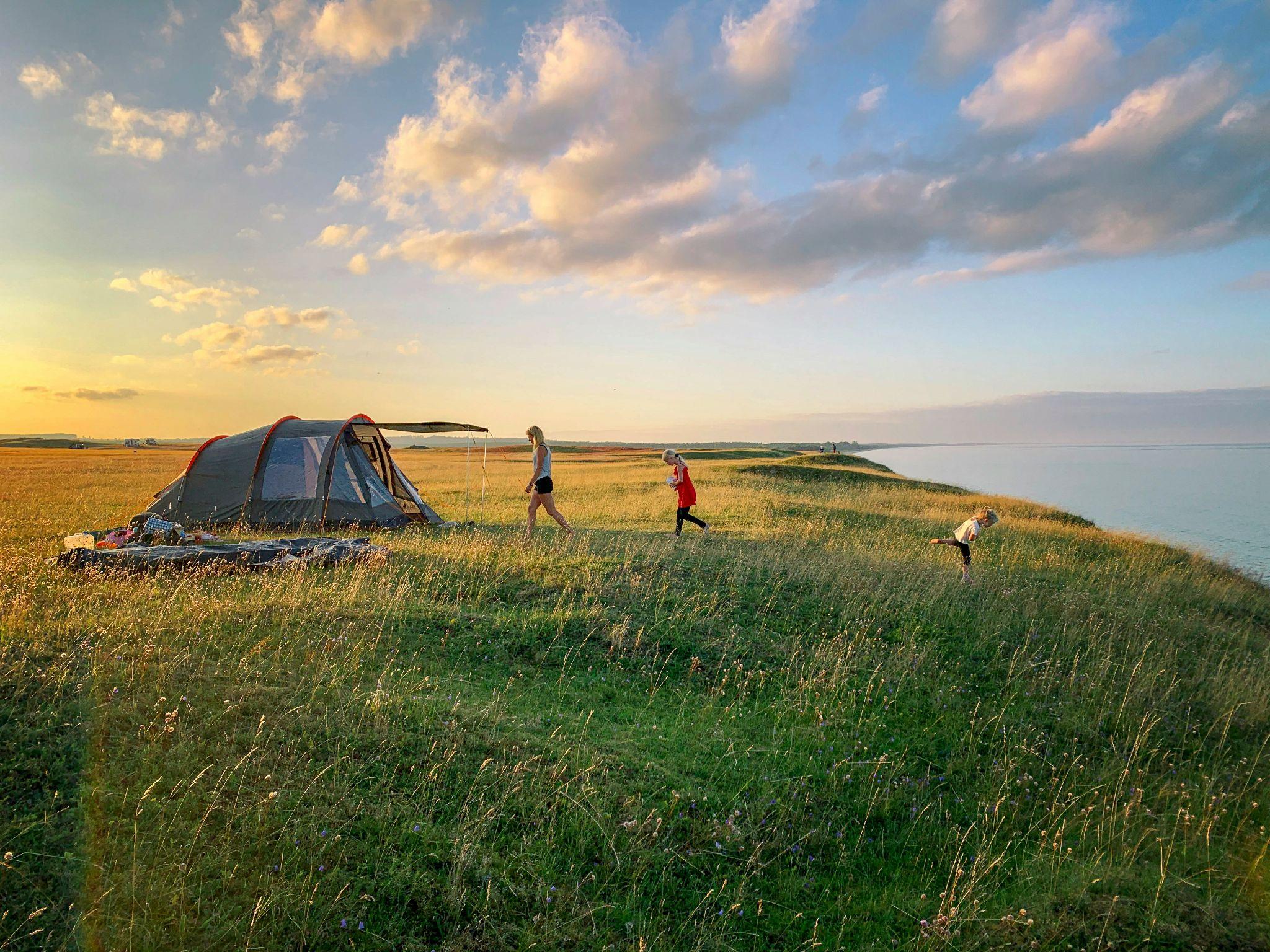
A memorable camping experience involves more than beautiful scenery and a convenient place to pitch a tent. While natural surroundings initially attract visitors, the quality of a campsite’s facilities, organisation and everyday maintenance often determines whether travellers decide to return.
Modern campers have different expectations depending on how they travel. Some prefer traditional tent pitches surrounded by nature, while others arrive with motorhomes, caravans or equipment that requires reliable electricity and additional amenities. Successful campsite operators understand these differences and create environments that balance outdoor adventure with practical comfort.
Improving a campsite does not necessarily require expensive accommodation units or major construction projects. Clean facilities, dependable infrastructure, thoughtful landscaping and clear communication can significantly influence visitor satisfaction. By concentrating on improvements that genuinely affect the camping experience, owners can build stronger reputations and encourage repeat bookings.
Table of Contents
Keep Shared Facilities Clean and Well Maintained
Cleanliness is among the most important factors influencing how visitors evaluate a campsite. Shower blocks, toilets, communal kitchens, pathways and waste disposal areas receive frequent use, making consistent maintenance essential.
During busy periods, facilities can deteriorate quickly without an organised cleaning schedule. Muddy entrances, stained surfaces and overflowing bins may create disappointing impressions, even when the surrounding landscape is attractive.
Professional equipment can make maintaining larger outdoor areas more manageable. Campsite operators responsible for suitable paved surfaces, maintenance areas and commercial equipment can explore cleaning solutions from Hotsy of Houston. The company offers industrial pressure washers, cleaning detergents and equipment support that can help businesses maintain demanding outdoor environments efficiently.
Routine inspections are equally valuable. Checking plumbing, repairing damaged fixtures and replenishing essential supplies before problems escalate helps keep shared facilities welcoming.
A consistently clean campsite communicates professionalism and demonstrates that visitors’ comfort receives appropriate attention throughout their stay.
Introduce Reliable Power Options for Different Campers
Electricity has become an increasingly important consideration for modern campsites. While some travellers enjoy disconnecting completely, others depend on power for refrigeration, lighting, communication devices and essential camping equipment.
Providing suitable electrical connections can make a campsite attractive to a broader range of visitors. However, remote properties may face challenges when extending conventional electricity infrastructure to individual pitches or communal buildings.
Solar technology offers opportunities to support selected facilities. Campsite owners exploring renewable energy solutions can find off-grid systems, solar panels, batteries and related equipment through thesolarstore.com. These products can support appropriately designed power installations for remote cabins, service buildings and other campsite applications.
Operators should assess expected electricity consumption before selecting equipment. Lighting, refrigeration, water pumps and charging facilities have different power requirements, making appropriate system sizing important.
Well-planned electrical infrastructure helps campsite owners offer convenient facilities while considering long-term operating expenses and energy management.
Design Pitches That Offer Comfort and Privacy
The arrangement of individual camping pitches strongly influences the overall visitor experience. Even attractive locations can feel crowded when tents, vehicles and communal facilities are positioned too closely together.
Providing sufficient space allows campers to organise their equipment comfortably and enjoy greater privacy. Natural boundaries created by shrubs, trees and appropriate landscaping can help separate pitches without making the site feel enclosed.
Ground conditions also deserve attention. Level surfaces, effective drainage and convenient access routes make setting up tents and parking recreational vehicles considerably easier.
Shade is particularly valuable during warmer weather, although operators should ensure that overhanging branches are maintained appropriately.
Different pitch categories can accommodate varying preferences. Families may appreciate locations near playgrounds and washing facilities, while visitors seeking quieter surroundings might prefer more secluded areas.
Thoughtful layouts create a comfortable balance between community interaction and personal space.
Make Everyday Facilities Convenient and Accessible
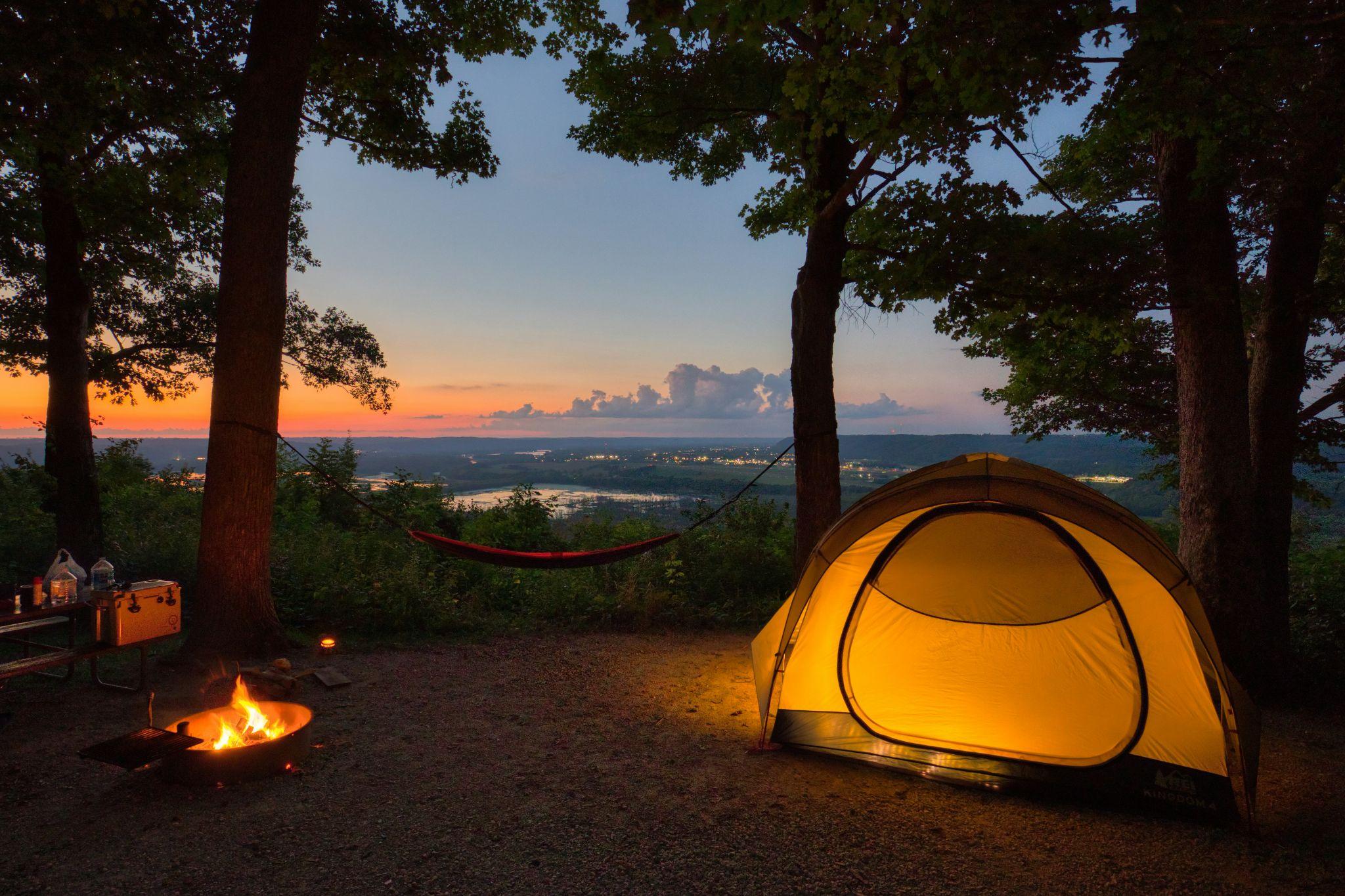
Small practical details can have a significant influence on campsite satisfaction. Travellers frequently appreciate facilities that simplify ordinary activities, particularly during longer stays.
Convenient water access, clearly marked waste disposal points and well-positioned washing areas reduce unnecessary journeys across the property. Adequate lighting around shared facilities also improves usability after sunset.
Accessibility should be considered when planning pathways, shower rooms and communal spaces. Suitable surfaces and thoughtfully arranged facilities can make the campsite more welcoming to visitors with different mobility requirements.
Signage is another inexpensive improvement. Clear directions to toilets, reception areas, emergency facilities and waste collection points help guests navigate unfamiliar surroundings.
Providing reliable information before arrival can further improve the experience. Visitors benefit from knowing check-in arrangements, available amenities, pitch dimensions and relevant campsite rules.
These details make a property feel organised while reducing the number of routine questions employees need to answer.
Create Shared Spaces That Encourage Relaxation
Camping is often a social experience, and well-designed communal areas can give visitors additional reasons to enjoy their surroundings.
Covered seating areas, picnic tables and designated cooking facilities provide convenient places for guests to gather. Families may appreciate playgrounds or open spaces suitable for recreational activities.
Communal areas work best when they complement the natural setting. Simple wooden furniture, attractive landscaping and comfortable lighting can create an inviting atmosphere without introducing unnecessary visual clutter.
Quiet zones are equally important. Not every visitor wants organised entertainment, and clearly separated relaxation areas can accommodate campers looking for peaceful surroundings.
Operators can also highlight nearby walking trails, viewpoints and local attractions. Helping visitors discover the surrounding area adds value to their stay without requiring the campsite to provide every activity itself.
Use Guest Feedback to Guide Future Improvements
A successful campsite continues evolving according to visitor expectations. Rather than investing in improvements based entirely on assumptions, operators can use guest feedback to identify the facilities that matter most.
Reviews, post-stay questionnaires and informal conversations often reveal recurring concerns. Visitors might mention insufficient lighting, inconvenient water points or limited shaded seating.
Addressing frequently reported issues can produce noticeable improvements in satisfaction. Communicating completed upgrades also demonstrates that the business values customer opinions.
Regular maintenance reviews help owners distinguish between immediate repairs and longer-term investments. This approach allows limited budgets to be directed towards improvements with the greatest practical benefit.
Ultimately, the most successful campsites combine natural appeal with dependable facilities and thoughtful hospitality. Visitors remember comfortable pitches, clean surroundings, convenient amenities and the feeling that their needs were anticipated.
By consistently improving these everyday details, campsite owners can create experiences that encourage positive recommendations, repeat visits and lasting relationships with travellers.