

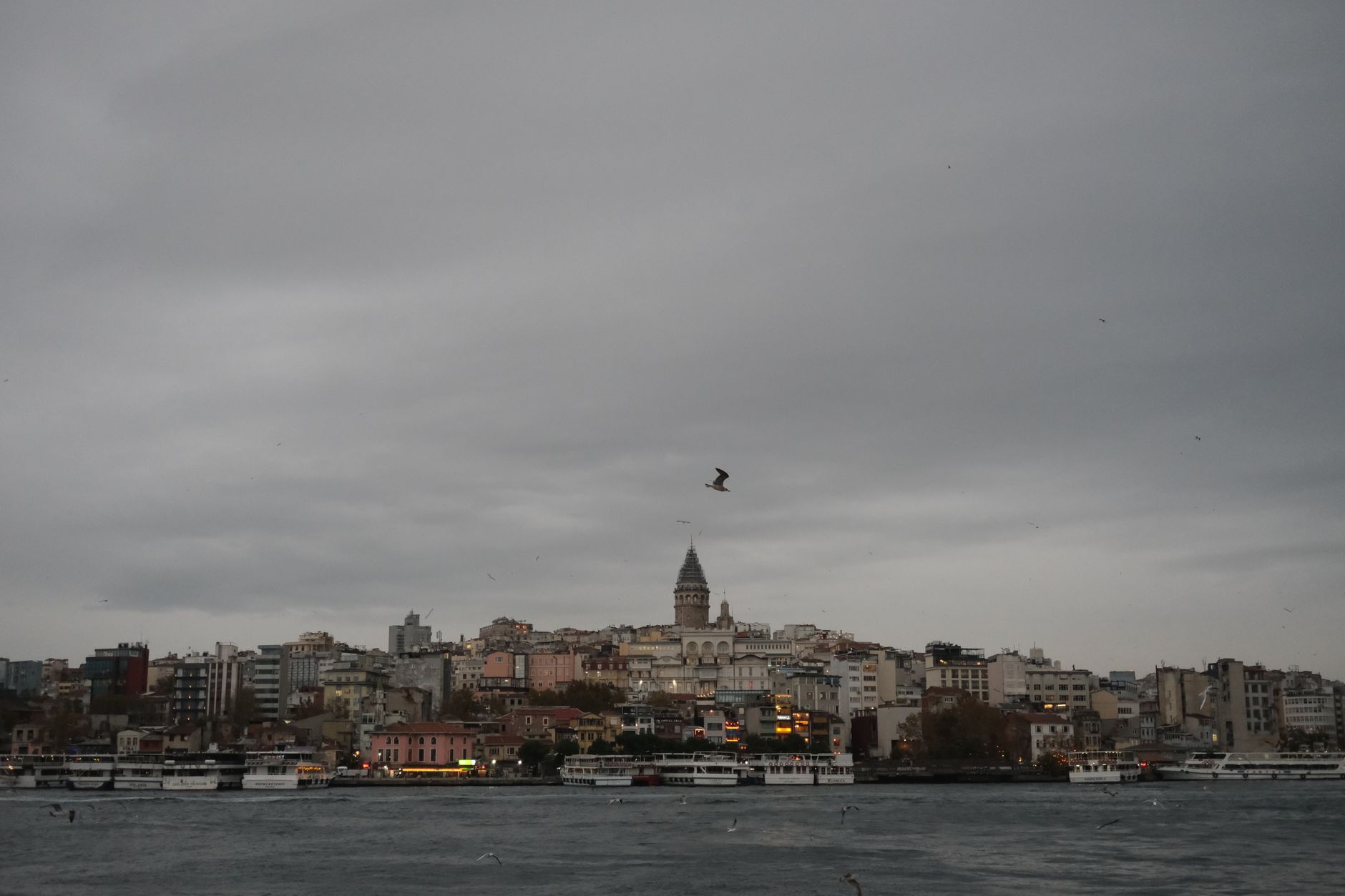
Istanbul is famous for its grand mosques, historic palaces, and bustling bazaars. Landmarks such as Hagia Sophia, the Blue Mosque, and Topkapi Palace continue to attract millions of visitors, offering a glimpse into the city’s remarkable history. Yet beyond these familiar attractions lies another side of Istanbul, shaped by waterfront neighborhoods, independent cafés, traditional markets, creative communities, and everyday local life. From the colorful streets of Balat to the lively waterfront of Kadıköy, travelers are increasingly exploring districts that offer a more personal connection to the city. For visitors willing to venture beyond the traditional sightseeing routes, Istanbul’s neighborhoods reveal a destination where centuries of history meet contemporary culture.
Table of Contents
Why Travelers Are Exploring Beyond Sultanahmet
Sultanahmet remains an essential starting point for first-time visitors. Its concentration of Byzantine and Ottoman monuments makes it one of Istanbul’s most historically significant districts. However, Istanbul’s character extends far beyond its historic peninsula. Neighborhoods on both the European and Asian sides offer different perspectives on local culture, architecture, food, and daily routines. Instead of spending an entire visit moving between major monuments, travelers can discover residential streets, neighborhood bakeries, waterfront promenades, and small cultural venues. This approach encourages slower exploration and creates opportunities to experience the city beyond its most photographed attractions. Istanbul’s public transportation network, including ferries, metro lines, and trams, makes many of these districts accessible without relying entirely on organized sightseeing tours.
Balat and Fener: Historic Streets With a Creative Spirit
Located along the Golden Horn, Balat and neighboring Fener have become popular destinations for visitors interested in architecture, photography, and neighborhood culture. Their narrow streets feature colorful houses, historic religious buildings, independent cafés, and small antique shops. The area’s heritage reflects Istanbul’s multicultural past, including longstanding Greek Orthodox and Jewish communities. Visitors can explore historic churches, discover traditional bakeries, and wander through streets that retain elements of the city’s older residential character. In recent years, new cafés and creative businesses have attracted additional attention to the neighborhood. However, Balat and Fener remain residential areas, and visitors should respect local communities when photographing homes or exploring quieter streets. The appeal lies in experiencing the neighborhood’s everyday atmosphere rather than treating it simply as an outdoor photography location.
Kadıköy and Moda: Discovering Istanbul’s Asian Side
Across the Bosphorus, Kadıköy offers a different perspective on Istanbul. Known for its food markets, independent shops, cultural venues, and lively streets, the district has become a favorite among visitors seeking contemporary urban experiences. The Kadıköy Market area is particularly appealing for food enthusiasts. Traditional delicatessens, fishmongers, bakeries, and restaurants provide opportunities to discover Turkish culinary traditions. Nearby Moda offers a more relaxed atmosphere, with tree-lined streets, coffee shops, and waterfront walking areas overlooking the Sea of Marmara. Visitors can spend an afternoon exploring bookstores, sampling local food, or watching ferries cross the water. The journey from the European side is part of the experience. Regular passenger ferries connect Kadıköy with major transport hubs, offering impressive views of Istanbul’s skyline without requiring a private boat tour.
Karaköy and Galata: Where History Meets Contemporary Istanbul
Karaköy has developed into one of Istanbul’s most recognizable areas for contemporary dining, galleries, and waterfront experiences. Once closely associated with port activity and commercial trade, the neighborhood now combines historic buildings with modern restaurants, boutique shops, and cultural attractions. Its location near Galata Bridge makes it convenient for visitors exploring both the historic peninsula and Beyoğlu. The nearby Galata district offers winding streets, historic architecture, independent boutiques, and the iconic Galata Tower. Walking between Karaköy and Galata reveals the contrast between Istanbul’s maritime history and its contemporary creative culture. The waterfront has gained further attention through Galataport, which includes public walking areas, restaurants, shops, and cultural facilities. Despite these developments, smaller streets around Karaköy continue to offer glimpses of the area’s commercial heritage.
Beşiktaş and Ortaköy: Everyday Life Along the Bosphorus
Beşiktaş is one of Istanbul’s most energetic central districts, known for its student population, local markets, breakfast restaurants, and ferry connections. The neighborhood provides an opportunity to experience everyday city life, particularly around its busy market streets. Nearby Ortaköy offers a different atmosphere, with its waterfront square, historic mosque, cafés, and views of the Bosphorus Bridge. Visitors often stop here to enjoy traditional street food, including kumpir, a baked potato served with various fillings. The Bosphorus itself remains central to Istanbul’s identity. Travelers considering a bosphorus cruise Istanbul experience can explore different sightseeing options, from public ferry routes to guided cruises passing Ottoman palaces, waterfront mansions, and historic fortresses. A cruise offers a perspective that cannot be experienced from the streets alone, revealing how Istanbul’s neighborhoods developed along both shores of the strait. For many visitors, combining a waterfront walk with a boat trip creates a memorable introduction to the city’s geography and maritime heritage.
Üsküdar and Kuzguncuk: A Quieter Side of the City
Üsküdar, on Istanbul’s Asian shore, offers historic mosques, traditional markets, and waterfront views toward the European skyline. Its coastal promenade is especially popular around sunset, when visitors gather to watch the changing light over the Bosphorus. A short distance away, Kuzguncuk offers a quieter neighborhood experience. Known for its historic wooden houses, small cafés, community gardens, and religious heritage, Kuzguncuk reflects another aspect of Istanbul’s multicultural history. The neighborhood’s streets are ideal for unhurried exploration, with opportunities to discover independent businesses and traditional architecture. Unlike the busier tourist districts, Kuzguncuk retains a strong residential character. Visitors can enjoy its atmosphere by walking respectfully, supporting local businesses, and appreciating the neighborhood without disrupting daily life.
Traditional Turkish Baths: Experiencing Istanbul’s Cultural Heritage
Exploring Istanbul’s neighborhoods is about more than architecture and food. Traditional experiences remain an important part of the city’s cultural identity. One of the most distinctive is the Turkish bath, or hammam, a centuries-old bathing tradition associated with Ottoman social life. Historic hammams can be found in several central districts, including Sultanahmet, Beyoğlu, and surrounding neighborhoods. Many feature marble interiors, domed ceilings, heated bathing areas, and traditional washing rituals. Visitors researching the best Istanbul Turkish bath experiences can compare historic bathhouses, treatment options, prices, and visitor facilities before booking. Some hammams focus on traditional bathing rituals, and others provide additional spa-style treatments. Choosing an established bathhouse can offer a cultural experience that complements visits to museums, historic streets, and Ottoman landmarks. Travelers should check reservation requirements, gender arrangements, accessibility, and any relevant health considerations before visiting.
How to Explore Istanbul Like a Local
Discovering Istanbul’s neighborhoods does not require an elaborate itinerary. A practical approach is to explore one or two nearby districts each day, allowing time for spontaneous stops and local experiences. For example, visitors can combine Karaköy and Galata in one afternoon, explore Kadıköy and Moda together, or spend a morning in Üsküdar before continuing to Kuzguncuk. Ferries are particularly useful for traveling between the European and Asian sides, providing convenient transport and scenic views. The Istanbulkart public transportation card can be used across much of the city’s integrated transit network. Walking is often the best way to discover neighborhood details, but visitors should be prepared for steep streets, uneven pavements, and occasional crowded areas. Local markets, small restaurants, traditional tea gardens, and neighborhood cafés provide opportunities to experience everyday Istanbul at a comfortable pace. Rather than trying to visit every attraction, travelers may find greater satisfaction in spending more time in fewer places.
A Different Perspective on Istanbul
Istanbul’s famous monuments remain an essential part of its appeal, but the city’s neighborhoods offer experiences that go beyond traditional sightseeing. Balat reveals layers of multicultural history, Kadıköy showcases contemporary urban life, Karaköy combines heritage with creative businesses, and Kuzguncuk offers a quieter residential atmosphere. Along the Bosphorus, waterfront districts connect these different experiences through the city’s enduring maritime identity. For travelers interested in culture, food, architecture, and local traditions, exploring beyond the postcard landmarks can provide a more complete picture of Istanbul. The city’s character is found in its historic buildings and celebrated attractions, but equally in its neighborhood markets, ferry crossings, family-run cafés, and everyday streets. Taking time to discover these places allows visitors to experience Istanbul as a living city rather than simply a collection of famous sights.