

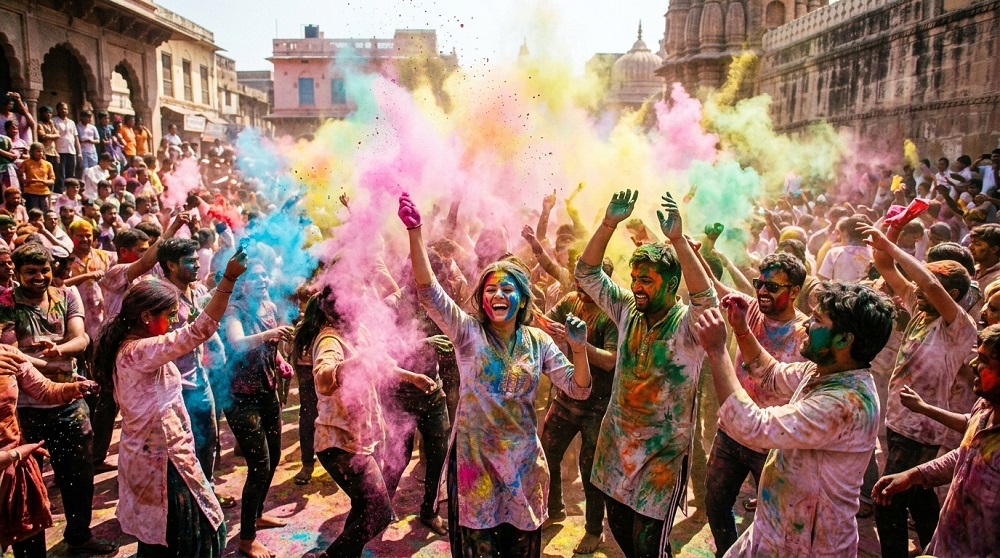
Planning a trip around a festival is an upside-down way of traveling. The date is set, the demand for one week is high and all decisions downstream from that, from flights to beds to budget, are made by a timeline you don’t control. This is how to work it out.
Always begin with the date, and not the destination.Begin with the date, and not the destination.
Reconfirm the Calendar Every Year.
The majority of big festivals are mobile. Events associated with a lunar calendar, such as Mid-Autumn or the lunar new year, or Easter, such as Carnival and Semana Santa, change according to the calendar year. Some run biennially. Check what edition it is over an official source before booking anything.
Explore the form of the event.Investigate the shape of the event.
Festivals of longer durations have an arc. The most interesting aspects of the parade are not always the floats, but preparations each day in which the floats are created or the carpets are laid down — and that’s when the crowds are smaller. Determine the whole schedule and which days are important to you.
Table of Contents
Book in the Right Order
Accommodation First
The most difficult constraint is beds. In festival cities, rooms sell out 6 to 12 month in advance and prices are often double or triple. Book refundable where possible, before you have flights.
Tickets Second
Purchase only from the official. These events such as La Tomatina or Oktoberfest have resale markets with scams, and many tickets are non-resellable. Keep in mind that many of the world’s best festivals are free, and don’t require even an admission ticket.
Flights Last
With beds and tickets booked, flights are the most flexible. Don’t fly too early — if you arrive the morning of a big event, you’ll have no time to spare.
Conduct thorough research to identify the best places to stay.Research and plan for your best location.
Central: Most expensive and closest to noise; two good points. Avoid going further out and you’ll find it to be half the price and true sleep in a nearby town with a rail link. Find out if roads close or transport stops during the event – a 20-minute trip in taxis can turn into a two-hour walk.
Determine the price for each festival.Estimate what the price of each festival should be.
Please be aware of higher prices in the festival period for rooms, transportation and food. Include the destination costs plus an additional 30-50% for extra and cash for vendors who don’t accept cards. There are limited working ATMs in many festival areas.
Know what you’re going to watch when you get to the movie.Go into the movie knowing what you’re watching.
Religious Observance or Public Party
There are festivals, however, that are holidays for all. Others are formal religious ceremonies that occur, which are obvious. Read the meaning first, because it dictates what to wear, whether you can or can’t take pictures of people, where to stand, etc.
Follow Local Cues
Be an example to residents. Respect and observe signage and markings, do not take photographs of people unless given permission to do so, and be prepared to accept no access in certain areas.
Have a Plan for the Practical Details.
On the Day
Plan to get there early for a good view; pick a meeting place just in case phones don’t work and bring water. People are very crowded and are moving in an unpredictable manner — know how to get out of the crowd when you get there, and do not push through a crowd to get out.
Protect Your Valuables
Keep passports in your accommodation, have only small amount of cash and a zipped inside pocket. At each big festival, pickpocketing increases.
Don’t make the festival the entire trip!Just don’t make the festival the whole trip!
The days that work are two or three days of the festival and a week to explore the surrounding region. Book a quiet stop after the festival week, as it is very tiring, and the countryside outside a festival city is often very empty.
When the date is set, the bed is mended, all is right in the world.