

To most people, Siem Reap is the same as a hotel with temples attached. Extend your stay and you’ll discover a town with a serious food scene, a robust social enterprise culture and a lake ecosystem that’s unparalleled in Southeast Asia.
Table of Contents
Arts and Performance
Phare, The Cambodian Circus
No animals, no elephants: only acrobatics, live music and physical theatre by students from a arts school created for disadvantaged children from Battambang. It is a nightly show and in high season is sold out. Book a day ahead.
Artisans Angkor
A working workshop to enjoy the stone carving, lacquaring and silk painting firsthand. This guided tour is free and lasts for 30 minutes. Their silk farm is located approximately 10 miles outside the town where you can see the process from mulberry leaf to complete scarf.
Life on the Water
Kampong Phluk
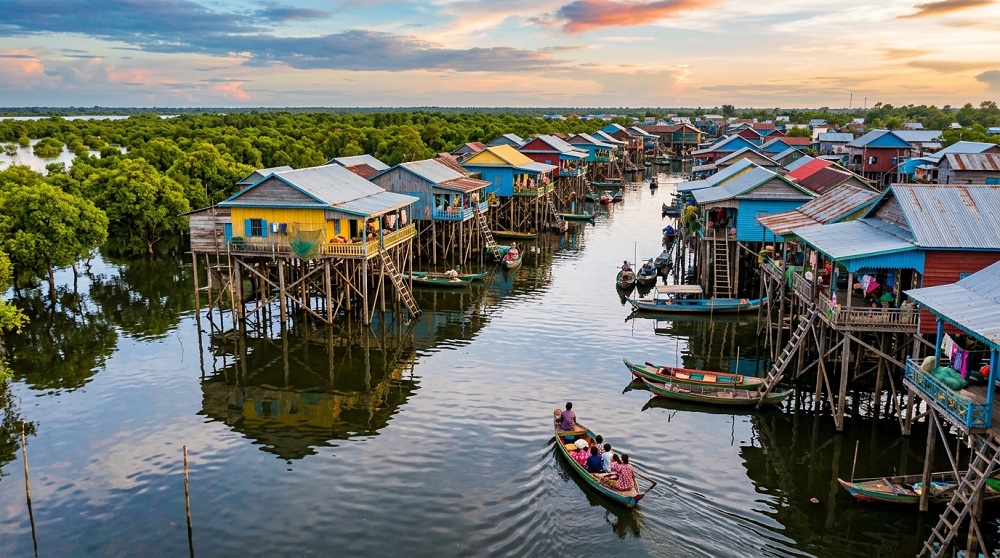
A village perched on stilted houses on the top of the Tonlé Sap, which is 20ft above the dry season ground. It’s the better option – between forest paddle and scale – than the highly touristy Chong Kneas.
Kampong Khleang
Further afield, and much less frequented, the largest of the lake villages and the least town-like. Road trip takes about 2 hours.
Food and Drink
Khmer Cooking Classes
Half day classes generally begin with a walk to the market to get acquainted with the fermented fish paste that is the base of Khmer cooking, known as prahok. You’ll prepare fish amok and green mango salad and eat the fish that you prepared.
Street Food Tours
There are evening tuk-tuk tours of grilled skewers, num banh chok rice noodles and palm sugar desserts in a number of neighbourhoods. Better value and better food than anywhere on Pub Street.
Training Restaurants
There are a number of restaurants offering hospitality training courses for young people from disadvantaged backgrounds in the town. The food is good—not charity food—and the cost is normal and in the middle range.
History and Learning
Angkor National Museum
To be done BEFORE the temples, not after. There is a little context that the ruins don’t have in the gallery of a thousand Buddhas and timeline of the Khmer Empire, which makes it difficult to put them together on site.
Cambodian Landmine Museum
The organization is founded by a former child soldier, who spent 20 years removing the ordnance that he previously laid. A small, sobering and near Banteay Srei which makes it a perfect companion to a temple run.
APOPO Visitor Centre
The headquarters of the giant African pouched rats that are trained to detect landmines. It seems like a gimmick and it is — the demonstration illustrates one of the more effective devices currently used for demining.
Getting Outdoors
Quad Biking on Rice Field
A sunset ride in paddies and villages just outside the town. A remedy to the temple fatigue on day 3.
Phnom Kulen National Park
Waterfalls and a recumbent Buddha fashioned from sandstone, and the riverbed of a thousand lingas. Must book a separate ticket from Angkor pass and for a full day.
Where to Base Yourself
If you want a quiet place, boutique shops, cafes and small hotels are within a short walk from the river in Kandal Village. The mid-range hotels are found along Wat Bo Road and it is easy to find tuk-tuks. Pub Street gets noisy until 2am which is not really worth it unless you are going for the noise.
Practical Notes
The cost of tuk-tuks in town is $2 – $3. The majority of attractions included here are located outside the Angkor ticket area, and offer their own rates. Peak season is from November to February, when tickets for the circus and popular restaurants sell out quickly.
Things are different on the two additional days here. Siem Reap offers more than meets the eyes of the temple goers.