

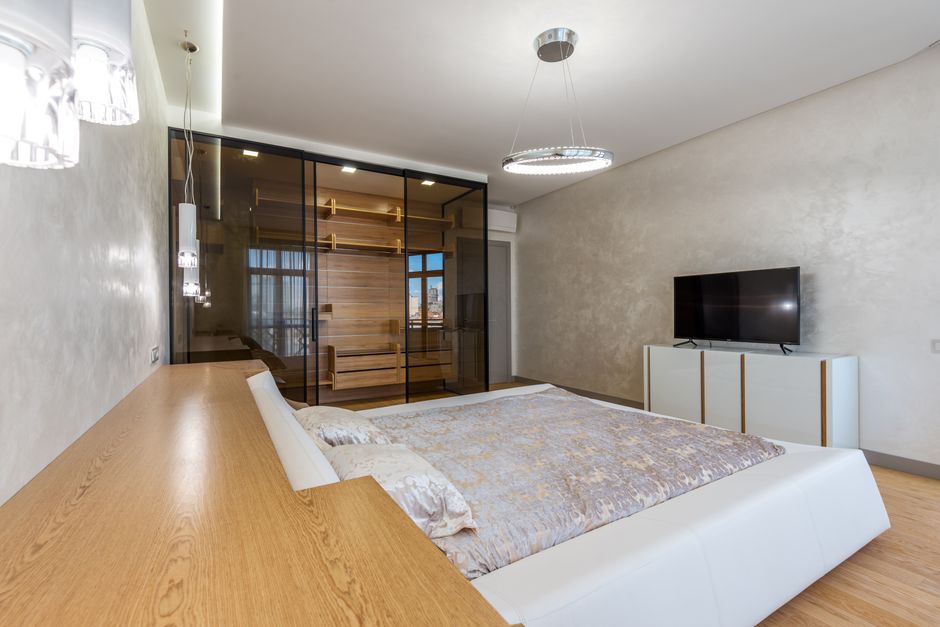
Your bed does more than fill space. It sets the tone for your room, affects how well you sleep, and quietly decides whether your bedroom feels pulled together or slightly chaotic. If you’ve ever walked into a room and felt like something was off, the bed is often the culprit. Picking the right one takes more than liking the headboard. You need to think about size, layout, materials, and how you actually live.
Table of Contents
Start With the Room Before You Fall for the Frame
It’s easy to spot a gorgeous bed online and mentally move in. Then reality shows up with a tape measure. Before you choose anything, look at your room’s actual dimensions and how you move through the space.
A bed that’s too large can make your bedroom feel cramped fast. You should have enough walking room on both sides, plus space for nightstands, dressers, or that chair currently holding a week’s worth of hoodies.
Check these basics first:
– Measure wall-to-wall dimensions carefully
– Note where doors, windows, and closets open
– Leave at least two feet of walking space around the bed
– Think about ceiling height if you want a tall headboard
When you shop for a stylish new bed, the smartest move is matching the frame to the room, not just your Pinterest board.
Match Bed Size to Your Life, Not Just the Mattress Trend
Bigger isn’t always better. A king bed sounds luxurious until it eats your floor space and makes your room feel like a storage unit with pillows. The right size depends on who uses the bed and how your bedroom functions every day.
If you sleep alone, a twin XL or full may be plenty. If you share the bed, a queen is often the sweet spot for comfort and practicality. A king works best in a genuinely spacious room, not one where every inch already has a job.
Think beyond sleeping positions too. Do you read in bed? Does your dog launch onto the mattress like it’s an Olympic event? Do you need room for a bedside crib or extra storage?
The best choice supports your routine without overpowering the room. Good design has a little common sense baked into it.
Pay Attention to Bed Frame Materials and Construction
Looks matter, but construction matters longer. A bed frame should survive years of use without squeaking every time you roll over. Material choice affects style, durability, and maintenance, so it’s worth looking past the product photos.
Common options include:
– Solid wood for warmth, strength, and timeless appeal
– Metal for a cleaner, lighter, more industrial look
– Upholstered frames for softness and a more polished feel
– Engineered wood for lower cost and flexible design styles
If you want something classic, wood tends to age well. Upholstered beds can feel more comfortable for sitting up, though they may need more upkeep. Metal frames often work well in smaller rooms because they feel visually lighter.
Check the joinery, support slats, center support, and weight capacity. Bedroom style is nice. Structural integrity is nicer.
Choose a Headboard Style That Works With Your Space
The headboard has a huge visual impact. It acts like the room’s focal point, so the style you choose can make your bedroom feel calm, dramatic, modern, cozy, or slightly confused if it clashes with everything else.
A tall upholstered headboard can add softness and hotel-like polish. A simple wooden headboard can ground the room and keep things versatile. Panel, sleigh, spindle, and platform styles all send a different signal.
Consider scale carefully. In a small bedroom, a bulky headboard can dominate the space. In a larger room, a low-profile frame might look underwhelming. You want balance, not a furniture identity crisis.
Also think about your existing pieces:
– Warm wood pairs well with neutral or earthy palettes
– Tufted upholstery suits softer, layered rooms
– Minimal frames fit clean, modern spaces
– Statement headboards need simpler surrounding decor
Your bed should look intentional, not like it wandered in from another house.
Don’t Ignore Storage Potential
Bedrooms collect stuff quickly. Extra blankets, off-season clothes, books, charging cables, random items you swear have a proper place somewhere. A bed with built-in storage can quietly solve a lot of clutter without demanding more square footage.
Storage beds are especially useful in apartments, guest rooms, and smaller homes where closet space is limited. Under-bed drawers can replace an extra dresser. Lift-up storage can hold bulky items you don’t need every day.
This works best when you’re realistic about your habits. If you like everything hidden away, closed storage is a solid choice. If you rarely organize what you can’t see, those hidden compartments can turn into archaeological sites.
Look at how easily drawers open, how much clearance they need, and whether the added bulk still fits your room. Smart storage should simplify your life, not crowd it.
Think About Height, Comfort, and Daily Use
Bed height sounds minor until you use the bed every day. A frame that sits too low can feel awkward to get in and out of. One that sits too high may look dramatic but become annoying fast, especially if you’re pairing it with a tall mattress.
Comfort is practical, not fussy. If you read, work, or scroll on your bed, an upholstered headboard may feel better than a hard wood or metal one. If you prefer easy cleaning, a simpler frame with open space underneath might work better.
Ask yourself:
– Is the bed height comfortable for daily use?
– Will the frame work with your mattress thickness?
– Do you need under-bed cleaning access?
– Will sharp corners be a problem in tight layouts?
These details affect how the bed functions long after the excitement of delivery day wears off.
Coordinate the Bed With the Rest of the Bedroom
A bed doesn’t live in isolation. It shares the stage with nightstands, lighting, rugs, curtains, wall color, and storage furniture. If those pieces compete too hard, the room can feel noisy even when it’s technically organized.
You don’t need a perfectly matched bedroom set. In fact, rooms often look better when there’s some variation in texture and tone. What you do need is consistency. Repeating materials, shapes, or colors helps everything feel connected.
For example, a dark wood bed can pair well with lighter nightstands if the hardware or overall style feels related. A modern upholstered bed works better when the lamps, bedding, and decor don’t suddenly switch into cottage-core mode halfway through the room.
Think in layers:
– Frame style
– Bedding texture
– Accent colors
– Lighting finish
– Rug scale and placement
Good coordination feels effortless, even when it definitely wasn’t.
Make the Purchase With Long-Term Value in Mind
The cheapest bed isn’t always the best deal, and the most expensive one isn’t automatically superior. Look at value over time. A well-made bed frame can last for years, while a flimsy one may start wobbling before your fitted sheet loses elasticity.
Before buying, check:
– Material quality and support structure
– Assembly requirements
– Delivery options and room access
– Warranty or return policies
– Compatibility with your existing mattress and foundation
Read dimensions carefully, including headboard height and overall footprint. Product photos can be sneaky. A frame that looks compact on-screen may show up looking like it expects its own ZIP code.
If possible, compare several styles side by side and think about how each one will feel six months from now, not just the first five minutes. The right bed improves your room visually, supports better sleep, and makes daily life smoother. That’s a purchase worth getting right.