

Table of Contents
Key Takeaways
- Prioritize active water problems, safety hazards, structural concerns, and major system failures.
- Separate necessary repairs from cosmetic projects that may not return their full cost.
- Organized permits, invoices, warranties, and service records can reduce uncertainty for buyers.
- Heritage status and past renovations may affect what work is appropriate before listing.
- The right selling plan depends on the home’s condition, available time, budget, and owner goals.
Older homes are part of Grimsby’s appeal, from established streets near downtown to properties closer to Lake Ontario and the Niagara Escarpment. However, selling a home with decades of maintenance history can make it difficult to decide where to spend money. Homeowners considering a faster, as-is route can review https://selltobloomhomes.com/we-buy-houses-in-grimsby-ontario/ while comparing their options.
The goal is not to make every older house look brand new. It is to identify the concerns that could affect safety, buyer confidence, financing, insurance, or the ability to complete a sale. A home with older finishes can still attract interest when its condition is understood, its price reflects the work needed, and known issues are handled honestly.
Why Older Grimsby Homes Need a Different Selling Plan
Age does not make a property unsellable. Many buyers actively look for original details, mature neighbourhoods, lake views, escarpment access, and character that newer construction may not offer. The challenge is that an older home may also have an aging roof, older plumbing, dated wiring, basement moisture, inefficient windows, or heating equipment near the end of its service life.
Grimsby weather can also make exterior maintenance important. Water should move away from the foundation, gutters and downspouts should direct runoff properly, and exterior openings should be checked for signs of moisture entry. Before committing to large renovations, homeowners can explore the broader as-is selling approach at https://selltobloomhomes.com/.
Start With a Basic Property Review
A practical review gives homeowners a clearer starting point than guessing which upgrade buyers will like most. Walk through the home with a notebook and sort observations into urgent, important, and optional categories.
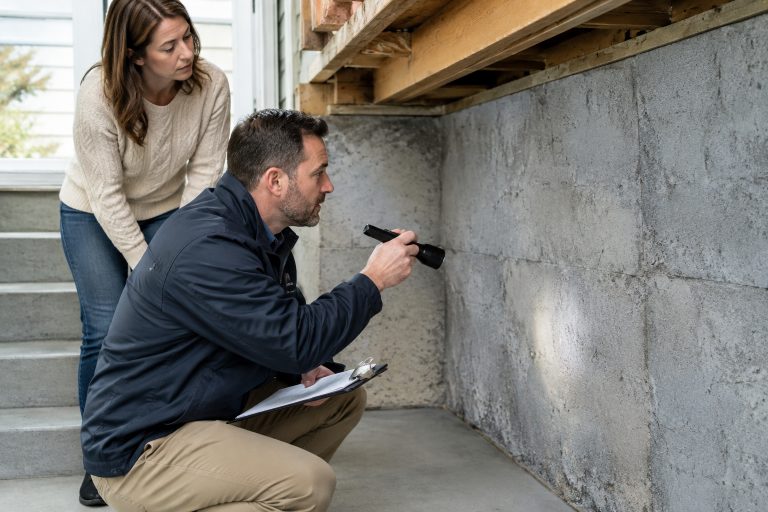
- Check the roof, attic, basement, foundation, exterior walls, gutters, and grading.
- Look for leaks, staining, cracks, mould, musty odours, drainage issues, or evidence of past water entry.
- Record the approximate age and condition of the furnace, air conditioner, water heater, electrical panel, plumbing, and windows.
- Gather renovation receipts, appliance manuals, warranties, permits, and service records.
- List cosmetic items separately, such as paint colours, worn flooring, dated fixtures, and older cabinetry.
If a concern is unclear, consult an appropriately qualified contractor, inspector, electrician, plumber, or structural professional before assuming the scope of the problem. A targeted opinion can be less costly than completing the wrong project.
Repairs That Usually Deserve Priority
Buyers are generally more concerned about defects that could create immediate expense or uncertainty than they are about an older backsplash or cabinet style. Focus first on conditions that could interrupt a transaction or make the home harder to insure, inspect, or finance.
- Active leaks: Address roof, plumbing, foundation, and basement leaks before they cause additional damage.
- Structural concerns: Large cracks, recurring movement, uneven floors, or issues near load-bearing areas deserve professional review.
- Electrical hazards: Exposed wiring, damaged outlets, unsafe connections, and panel concerns should not be treated as cosmetic problems.
- Heating and ventilation problems: A non-functioning furnace or poor ventilation can raise understandable questions, especially during colder seasons.
- Drainage failures: Correcting blocked gutters, disconnected downspouts, poor grading, or a failed sump pump may help prevent repeated moisture problems.
Updates That May Not Pay for Themselves
Expensive upgrades can be tempting when a home feels dated, but they do not always solve the issues buyers notice first. Avoid putting a high-end kitchen into a house with unresolved roof or foundation concerns. Likewise, a finished basement is unlikely to inspire confidence if there is still a moisture issue below grade.
Other projects that deserve careful thought include custom finishes, full window replacement when only a few units are damaged, and elaborate landscaping that does not improve drainage, access, or everyday curb appeal. A useful rule is simple: fix the problems that may stop a sale before spending heavily on features intended only to make the listing look newer.
Heritage, Permits, and Records
Some properties in Grimsby are designated or listed for heritage reasons, so exterior changes may require extra care. Owners can check the Town’s list of designated heritage properties before planning alterations to visible architectural features. Routine maintenance and major changes are not necessarily treated the same way.
Paperwork also matters. Missing records can create questions about additions, decks, structural work, electrical upgrades, or finished basement areas.
Should You Repair, Sell As-Is, or List Traditionally?
Each path can make sense depending on the property and the owner’s situation.
|
Approach |
May Work Well When |
Main Trade-Off |
|
Repair before listing |
The needed work is defined and affordable |
Requires upfront money and coordination |
|
Sell as-is |
Time, budget, or personal circumstances limit preparation |
Buyers may account for repairs in their offer |
|
Traditional listing |
Location and features create broad buyer appeal |
May involve showings, conditions, and negotiations |
How to Decide if a Repair Is Worth Doing
Get at least two written estimates for substantial work, then compare more than the repair price. Consider whether the work resolves a safety, water, structural, or permit concern. Think about likely buyer reaction, the time needed to complete the job, and carrying costs such as mortgage payments, taxes, utilities, and insurance while the property remains unsold.
Choose the option that fits the real timeline. The highest possible sale price is not always the best outcome if it requires months of work, added stress, or funds the owner would rather preserve.
Pre-Sale Checklist for an Older Grimsby Home
- Confirm ownership, mortgage information, property tax status, and any title concerns.
- Inspect the roof, basement, foundation, plumbing, heating, and electrical system.
- Repair active leaks and obvious safety hazards first.
- Organize permits, receipts, warranties, utility bills, and service records.
- Clean, declutter, and remove personal items to make the home easier to assess.
- Decide whether repairs, an as-is sale, or a traditional listing best fits the timeline.
Final Thoughts
Selling an older home in Grimsby does not require a complete renovation. A careful review can reveal which repairs protect the property’s value and which upgrades can reasonably wait. By addressing serious conditions, organizing records, checking heritage and permit questions, and matching the selling method to personal goals, homeowners can make a more confident decision in 2026.