

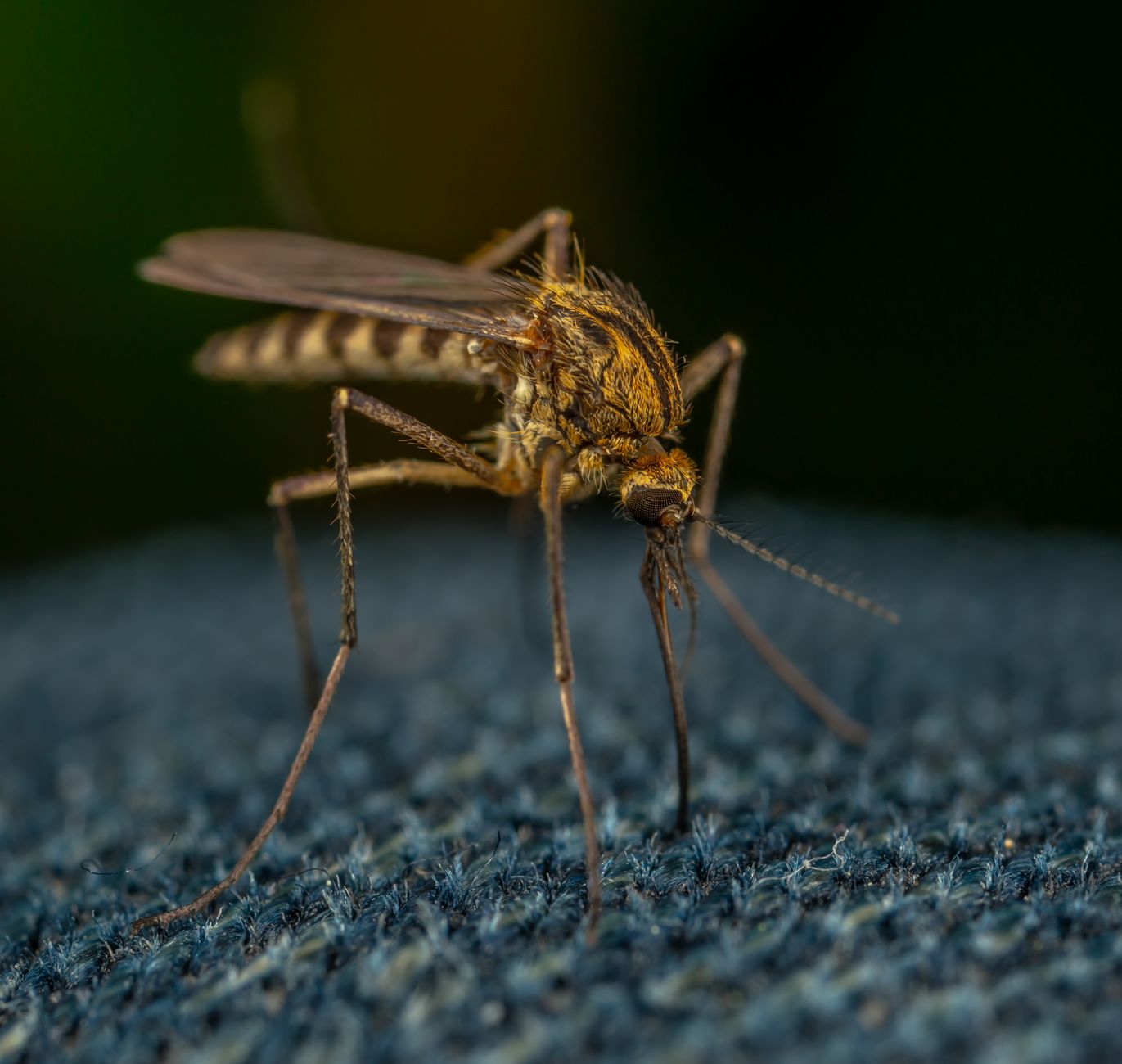
You step outside to eat dinner on the patio and, within minutes, mosquitoes are circling your ankles. The lawn was mowed yesterday, the furniture is clean, and there is no pond in sight. Yet the insects seem to appear every evening. The explanation may be hiding in places that are easy to miss during ordinary yard maintenance.
Mosquitoes need water for their early life stages, but adults also seek shaded places to rest and people or animals to feed on. Effective Mosquito Control begins by separating those two needs: where mosquitoes are breeding and where adults are spending time. Homeowners considering Agile Pest Control or another pest management provider can make better decisions once they understand what the yard itself may be contributing.
There is no single adjustment that makes every outdoor space mosquito-free. However, several small improvements can reduce local breeding opportunities and make seating areas less welcoming to biting insects.
Table of Contents
1. Plant Saucers and Containers Hold Water Longer Than You Think
A flowerpot may drain perfectly while the saucer beneath it remains full. Forgotten buckets, watering cans, toys, and empty planters can also catch rain. Some mosquitoes can breed in surprisingly small amounts of standing water, so a container does not need to look like a pond to become a problem.
Walk around the property after watering or rain. Empty collected water, turn unused containers upside down, and store items where they cannot refill. Scrub containers periodically when practical, since mosquito eggs from some species can stick to their inner walls. For birdbaths, replace and clean the water regularly instead of simply topping it up.
2. Gutters and Downspouts Are Not Draining Properly
Leaves and roof debris can block gutters, leaving shallow pools above the ground where nobody notices them. Downspout extensions may also sag or discharge into a depression that stays wet.
Inspect gutters from a safe position and have blocked sections cleaned when needed. Make sure downspouts direct water away from the building without creating standing pools elsewhere. Do not climb onto an unsafe roof to investigate. A drainage or gutter repair may do more to reduce local mosquito production than repeated surface spraying.
3. Dense Vegetation Gives Adult Mosquitoes a Place to Rest
Breeding sites explain where new mosquitoes develop, but they do not explain every encounter with an adult mosquito. During hot, bright periods, many adults shelter in humid, shaded vegetation. Overgrown shrubs, thick groundcover, and cluttered corners can provide protected resting spots near patios and doors.
Thin excessive growth, remove weeds from neglected edges, and keep plants from crowding seating areas. You do not need to strip the yard of useful landscaping. Aim for airflow and easier access for inspection, particularly where people gather. Good Mosquito Control planning considers these resting areas as well as water sources.
4. Low Spots in the Lawn Stay Wet After Rain
A shallow depression beneath a swing set or near a walkway can retain water after the rest of the grass dries. Wheelbarrow ruts, poorly graded soil, and compacted patches may do the same. Whether mosquitoes develop there depends on how long the water remains and the species present.
Observe the yard a day or two after rainfall. If the same spots repeatedly hold water, investigate grading, soil compaction, or drainage. Filling a minor depression may help, but water moving toward the foundation requires a more careful solution. Fix the drainage cause rather than shifting the puddle closer to the house.
5. Outdoor Equipment Collects Water in Hidden Compartments
Water can gather inside a folded furniture cover, the base of a basketball hoop, a boat cover, or the tread of an old tire. Tarpaulins are especially deceptive: a small sag can hold enough rainwater to support mosquito development. These are easy items to overlook because they are not usually thought of as water containers.
Pull covers taut, empty recessed surfaces, and store unused equipment under shelter when possible. Check the backs of storage units and the spaces behind outdoor bins. During a property assessment, asking Agile Pest Control to explain which containers may be producing mosquitoes is more useful than assuming every damp area presents the same risk.
6. Decorative Water Features Lack Movement or Maintenance
Ponds, fountains, and ornamental basins can be attractive features without necessarily becoming mosquito nurseries. Problems arise when shallow areas stagnate, pumps stop working, or debris collects in neglected corners. A moving fountain can still have quiet pockets where water remains undisturbed.
For Mosquito Control around ornamental water, maintenance should come before deciding whether any treatment is necessary. Maintain pumps and filters, remove accumulated organic debris, and inspect shallow margins. Where standing water cannot reasonably be emptied, ask a qualified professional about an appropriate mosquito larvicide labeled for that setting. Use only products approved for the water feature and follow label instructions. Do not put household chemicals, bleach, or oil into ponds or wildlife habitats.
7. Nearby Breeding Sources Send Mosquitoes Across Property Lines
A tidy yard may still have mosquitoes because adults can travel from neighboring properties, drainage ditches, or other nearby habitats. The distances vary by species. This is why eliminating every visible container at home may reduce activity without stopping all bites.
Coordinate with neighbors when practical, particularly around shared fences or common areas where discarded containers collect rain. If a persistent issue appears linked to a public drainage area, contact the responsible local authority rather than attempting to treat it yourself. A Mosquito Control assessment should acknowledge off-property sources instead of promising that changes within one fence line can solve everything.
8. The Patio Offers Little Protection During Peak Biting Times
Some mosquito species are especially active around dawn and dusk, while others bite during daylight. A shaded, sheltered patio may remain attractive to adults even when breeding sites have been reduced. Outdoor lighting alone is not a reliable way to keep them away.
Agile Pest Control is one possible professional contact if it is unclear whether biting insects are mosquitoes or another species. Meanwhile, use properly fitted door and window screens, repair torn mesh, and consider an outdoor fan around seating areas; moving air can make it harder for mosquitoes to approach. Wear long sleeves and trousers when appropriate, and use an insect repellent registered for human use according to its label. Families should check age restrictions and application directions for children.
When Does Professional Treatment Make Sense?
If biting remains severe after standing water has been removed and obvious resting places improved, an inspection can help identify what is still contributing. Ask what species or activity was observed, whether breeding sites are present, and whether a proposed treatment targets larvae, adults, or both.
Treatment should not be presented as a replacement for source reduction. Adult mosquito applications may provide temporary relief but do not remove the water where new insects develop. A provider such as Agile Pest Control should be asked to explain where applications would occur, what precautions apply around children, pets, pollinators, and water, and how results would be monitored. Never assume a chemical treatment eliminates all mosquitoes or all mosquito-borne disease risk.
Build a Simple Weekly Yard Check
A short inspection after rain can become part of normal property maintenance. Begin with containers, then inspect gutters from the ground, low areas, furniture covers, and water features. Note which places repeatedly retain water. Keep a record of whether biting is concentrated near one seating area or occurs throughout the property.
This routine also gives you useful information if you later seek help. Rather than reporting only that the yard has too many mosquitoes, you can describe where water collects, which changes were made, and when biting remains most noticeable.
Make the Yard Less Inviting Without Giving Up Outdoor Living
Most yards have a combination of conditions rather than one dramatic mosquito problem. Small containers support breeding, shaded plants provide shelter, and nearby sources may keep sending adults into the space. Addressing each condition gives prevention a better chance of working.
For homeowners speaking with Agile Pest Control, a practical discussion should start with the causes that have actually been identified. Mosquito Control works best when routine water removal, sensible landscaping, personal protection, and any appropriate professional measures support one another. The goal is a more comfortable yard built on consistent prevention, not a promise that every mosquito can be eliminated.
1 thought on “Why Are There So Many Mosquitoes in Your Yard? 8 Common Causes and Solutions”
Comments are closed.