

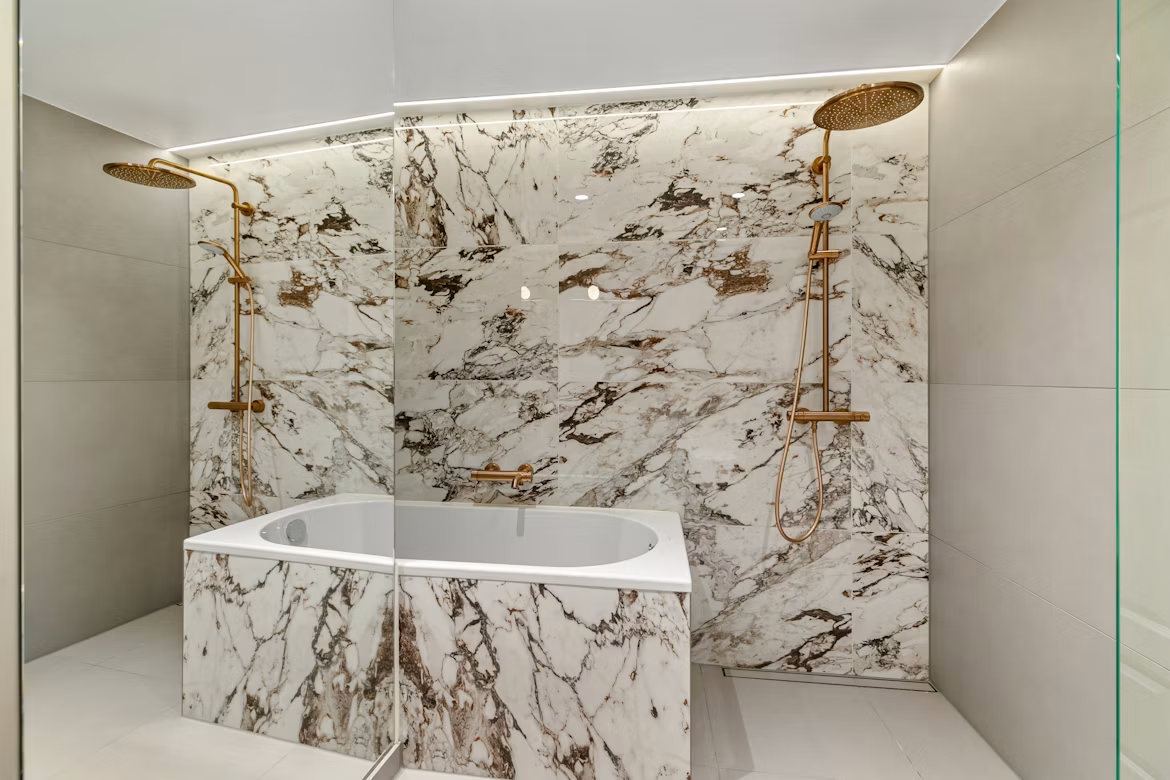
Stone wall panelling has become a practical design option for modern residential and commercial projects. It combines the appearance of natural stone with a more manageable installation process, allowing architects, designers, and property owners to introduce texture and structure to walls without relying on traditional masonry.
Available in natural and manufactured materials, stone wall panels can be used across interior and exterior spaces. Their durability, design flexibility, and relatively simple maintenance make them suitable for a wide range of architectural applications.
Table of Contents
Understanding Stone Wall Panels
Stone wall panels are prefabricated sections made from natural stone or engineered materials designed to replicate the appearance of conventional stonework. Unlike individual masonry pieces, panels come in modular formats that can simplify transportation, fitting, and installation.
Natural options may include materials such as limestone, slate, and quartz, each offering different colours, textures, and patterns. Manufactured panels can be produced using materials such as cement or resin, providing additional options for strength, weight, and design.
This variety allows stone wall panelling to suit different architectural styles, from simple contemporary interiors to textured exterior facades.
Key Benefits of Stone Wall Panelling
Durability and Longevity
Durability is one of the main advantages of stone wall panelling. Integrating stone wall panels allows natural stone to withstand regular exposure to environmental conditions, while engineered alternatives can be manufactured to provide resistance against moisture, impact, and temperature changes.
When correctly selected and installed, these panels can provide a long-lasting wall finish. This makes them suitable for areas where both appearance and performance are important.
Design Flexibility
Stone wall panels are available in a broad selection of colours, textures, shapes, and finishes. Natural stone also contains variations in tone and pattern, giving each surface a distinctive appearance.
For designers, this flexibility makes the panels suitable for feature walls, building facades, accent areas, and other spaces where texture is needed. The material can complement a range of interior and exterior finishes without dominating the overall design.
Thermal Performance
Stone can contribute to a building's thermal performance by helping regulate temperature changes. Depending on the type of panel, wall construction, and insulation system used, stone panelling may help reduce heat transfer through the building envelope.
Improved thermal performance can contribute to more consistent indoor temperatures and may reduce reliance on heating and cooling systems. However, the overall energy performance depends on the complete wall assembly rather than the stone panels alone.
Efficient Installation and Maintenance
Stone wall panels can be installed more efficiently than many traditional stone masonry systems. Their modular design can reduce the amount of individual stone placement required, helping contractors manage labour and installation time.
Maintenance is also relatively straightforward. Regular cleaning can remove dirt and surface deposits, while the specific maintenance requirements depend on the material, finish, and location of the panels.
Applications of Stone Wall Panelling
Residential Interiors
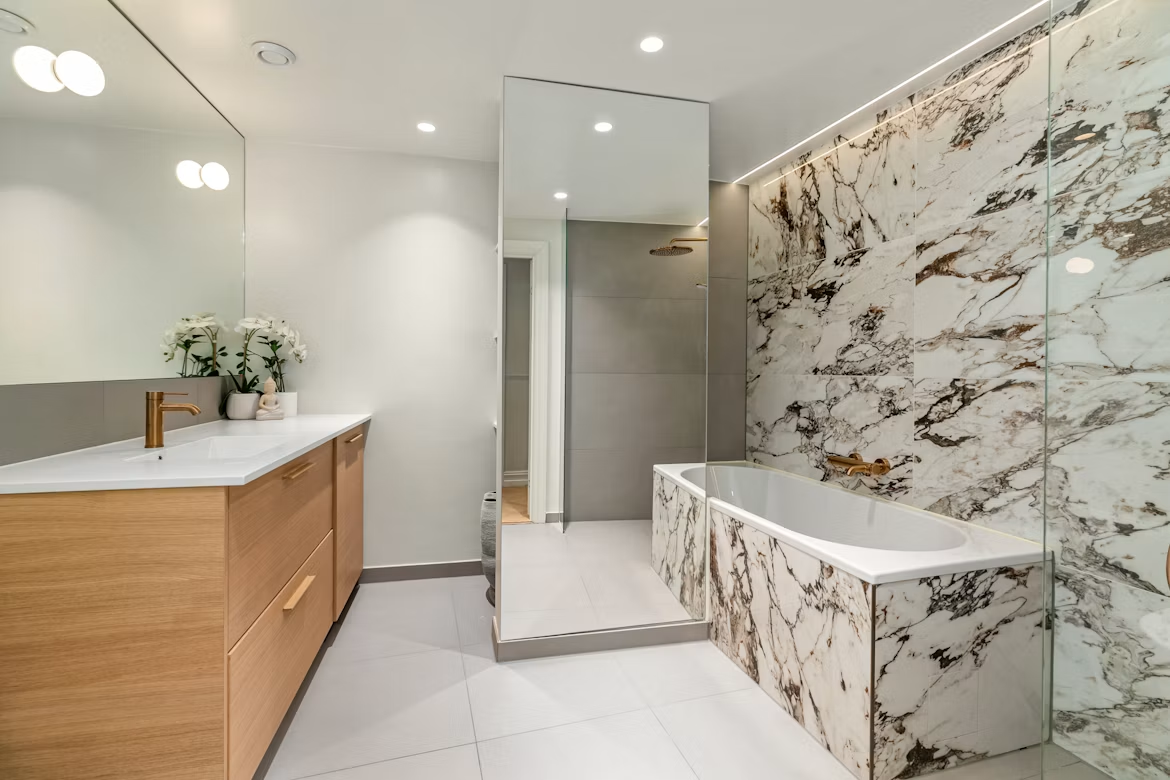
In residential properties, stone wall panels can introduce texture without requiring extensive masonry work. Feature walls in living rooms, dining areas, bedrooms, and entrance spaces can use stone finishes to create a defined architectural element.
The panels can also be used in kitchens and bathrooms when the selected material is appropriate for areas exposed to moisture. Proper installation and sealing may be required depending on the panel type and application.
Commercial Buildings
Commercial properties often use stone wall panelling for reception areas, offices, restaurants, hotels, and retail spaces. A stone finish can create a structured and professional appearance while adding visual interest to otherwise plain surfaces.
Exterior panels can also be used on commercial facades, helping establish a consistent architectural identity. The choice of stone, colour, and pattern can be coordinated with other elements of the building's design.
Outdoor Areas and Landscaping
Stone wall panelling is not limited to buildings. Suitable panels can be incorporated into garden walls, patios, outdoor kitchens, seating areas, and other landscaping features.
For exterior applications, the panels must be selected according to the local climate and expected exposure to moisture, sunlight, and temperature changes. Materials designed for outdoor use can provide a durable finish while maintaining the desired visual style.
Sustainability Considerations
Sustainability is another factor considered when selecting wall finishes. Natural stone can have a long service life, which may reduce the need for frequent replacement. Some manufactured panels may also incorporate recycled materials, depending on the manufacturer and product specification.
The environmental impact of stone panelling varies according to factors such as material sourcing, manufacturing, transportation, installation, and disposal. Choosing durable materials and products suited to the intended application can help reduce waste and replacement requirements.
Factors to Consider
Although stone wall panels offer several practical benefits, careful planning is necessary before installation. The weight, dimensions, fixing method, surface condition, moisture exposure, and structural requirements should all be assessed.
Cost is another consideration. High-quality materials and professional installation may require a larger initial investment, but their durability and maintenance requirements can contribute to long-term value.
The panel style should also complement the surrounding architecture. Selecting an appropriate colour, texture, and pattern helps ensure that the stone finish works with the rest of the property's design rather than appearing disconnected.
Conclusion
Stone wall panelling provides a practical way to introduce the appearance and texture of stone into modern architecture. Its combination of durability, design flexibility, efficient installation, and manageable maintenance makes it suitable for residential, commercial, and outdoor applications.
With careful consideration of material, location, installation requirements, and overall design, stone wall panels can provide a functional and attractive finish that works across a variety of architectural settings.
1 thought on “Stone Wall Panelling in Modern Architecture”
Comments are closed.