

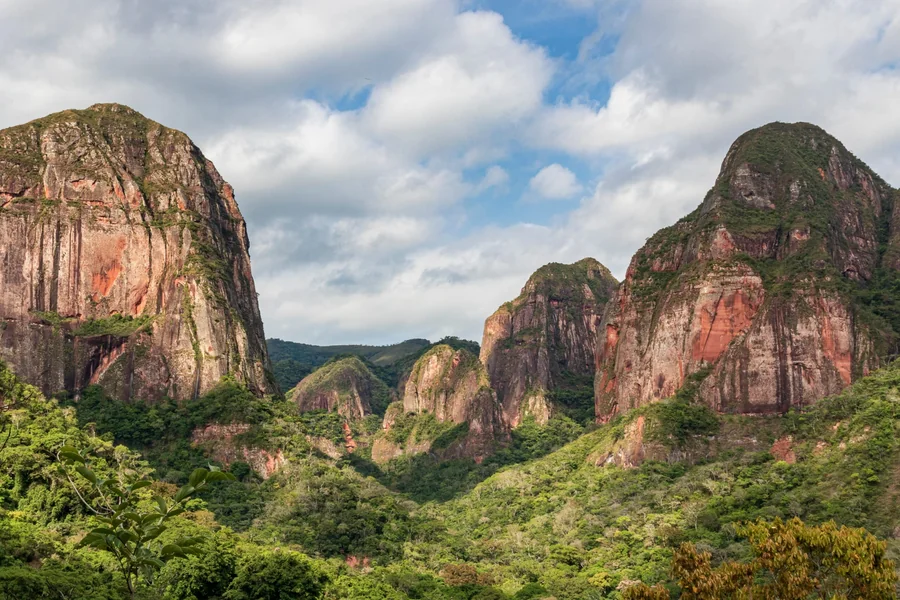
Bolivia is one of South America most fascinating places. It presents exotic mountainous landscapes, vibrant markets, prehistoric ruins and memorable sights such as Uyuni Salt Flats. Concurrently, it might be quite alien to several other nations, in particular, when the first-time visitors come there. Become informed and you will be ready to come out of all these pitfalls and have a more enjoyable time.
These 15 things you should know before travelling to Bolivia cover everything from adjusting to the high altitude to understanding local customs, transportation, food, and practical travel tips. Some planning can go a long way in enjoying your Bolivian experience and making it smoother.
Table of Contents
Prepare Before You Arrive
The first thing that one needs to know is that entry requirements vary depending on your nationality. Short term travelers may get in Bolivia without a visa whereas other travelers need to apply the visa before they come to the country or buy the visa on the border. There are also requirements of passport validity so before booking your flight it is always better to ensure that you re-check the latest rules to save yourself the needless stress.
The second aspect that should be prepared before traveling to Bolivia is the knowledge that it is a high altitude country. Such cities include La Paz, which are over 3,600 meters above sea level, and hence, they are among the highest major cities in the world. Mild altitude sickness in many cases occurs in the initial days of visitors. When you are immediately on arrival you should take it easy, drink lots of water, and refrain heavy meals as well that can make your body better adapted.
Another element that shocked most first-time visitors is the weather. Bolivia experiences varying climatic conditions and therefore depending on where you are going the weather and weather may alter radically. Dry season May to October tend to have a sunny weather with lower temperatures, whereas rainy season changes the appearance of some of the landscapes but may render some roads more challenging to use.
Money and Getting Around Takes Planning
In Bolivia, cash is of utmost importance. Although bigger hotels or restaurants and stores in big towns always take credit cards, in small businesses that have numerous businesses, cash alone is sometimes taken. Cash is commonly used in local markets, taxis and rural accommodation, therefore, having enough Bolivian Bolivianos per day is a good practice.
The transportation also does not operate in the way that many travelers would ever anticipate. Most of the parts of the country are connected via long distances buses which are among the cheapest mode of transport. Nonetheless, it may also require many hours to reach a particular destination since roads in the mountains are curvy and slower than they may seem on the map. Domestic flights are quicker between major destinations but can cost a significant amount more.
One of the most significant travelling skills in Bolivia is patience. Buses are likely to be late which is against timetable, weather can influence travel arrangements, services are not very fast as visitors of busy countries believe and consequently tend to work sluggishly. Avoiding some sense of pressure by adding some time to your schedule can enable you to have some unplanned positive moments along the way.
Local Culture Makes the Experience Richer
The primary language of Bolivia is Spanish, but in most areas, Indigenous languages, such as Quechua and Aymara, are still common. You do not need to become fluent, with only a few phrases learnt like greetings, thank you and asking directions that conversations can become much warmer. Visitors will generally be welcomed when they go out of their way to speak in a respectful way to locals.
Adhering to cultural customs is as well significant. Bolivia is well endowed with Indigenous heritage which influences the daily living, festivals and value of the community. The simple gesture of asking people to take photos or record them before taking pictures in markets or villages is a sign of courtesy and it usually results in better relationships. Another way of preserving traditional artisans is to support the artisans by buying their handmade products.
Personal safety is important and need not generate a lot of unneeded concern. Bolivia can be considered a pleasant tourist destination, although petty theft may occur during peak times. Placing valuables in safe spots, hiring cabs or transportation companies where possible, and being alert in busy markets are prudent measures that will assist in safeguarding your items.
Food, Health, and Daily Comfort
In Bolivia, food is either influenced by the Indigenous culture or the impact of the region. Visitors can taste some local culture with popular food items like salteñas, silpancho, or pique macho. Food on the streets may be tasty, but when you pick a food sellers with high hygiene standards, there is a slimmer chance that you will have stomach troubles during your own trip.
Special attention is needed when drinking water. Visitors should not normally be using tap water, and until the visitors have bottled water available, or water filtered well to be on the safe side. Many travelers even brush their teeth with bottled water even in situations when they have not got used to the conditions in the local area.
Coca tea is also one of the distinctive aspects of Bolivian culture. Most hotels provide it to visitors since the locals think that it reduces effects of altitude sickness. Drinking in Bolivia is entirely legal and it is part of Andean culture, which has several centuries. Nevertheless, the tourists must bear in mind that certain coca products cannot be transported to their home countries as the products can be unlawful.
Pack Smart for Every Part of the Journey
Bolivia is a more flexible country to pack than most other places. There are significant changes of the temporary temperatures between morning and evening, particularly in high altitudes. Lightweight jacket, warm clothes, comfortable shoes worn during walking, sunscreen and sunglass can be helpful in most of the area of the country, as strong sunshine can touch even those who come on a trip when the air is cool.
Another feasible consideration is the Internet access. Smaller cities may offer fewer or less reliable Wi-Fi in hotels; it tends to be slower when in remote locations. Purchasing a SIM card locally can be a great way to navigate, communicate and book transportation when making long journeys.
Last but not the least, it is worth remembering that Bolivia has natural marvels that should be given respect as well as preparedness. You are on your way to Uyuni Salt Flats, lake Titicaca, or Madidi national park, regardless of where you are, it is best to abide by the local instructions so that these extraordinary places can be conserved. Using reusable water bottles, not littering and wildlife protection means that future visitors will be able to enjoy the same spectacular landscapes.
Final Thought
Bolivia pays off to those who come with adaptability and inquisitiveness. It is that nation where picturesque mountains collide with ancient customs, where daily events are likely to be unforgotten memories. Knowing the local culture, planning to visit high altitude places, carrying appropriate amounts of cash and giving oneself a cushioning time can make the trip a lot easier.
These 15 things you should know before travelling to Bolivia are not about making your journey complicated. They are all about making you feel ready in order to concentrate on the stunning views, warm societies as well as the memorable adventures ahead in this fantastic nation.
FAQs
Is Bolivia safe for first-time travelers?
Yes, Bolivia is generally safe for tourists who take normal precautions such as protecting valuables, using trusted transportation, and staying aware in crowded places.
What is the best time to visit Bolivia?
The dry season from May to October is usually considered the best time because it offers clear skies and easier travel conditions.
Do I need cash in Bolivia?
Yes, carrying cash is important because many markets, taxis, and small businesses do not accept credit cards.
How can I avoid altitude sickness in Bolivia?
Rest during your first day, drink plenty of water, avoid heavy meals, and consider trying coca tea if it is offered locally.
Can I drink tap water in Bolivia?
Most visitors choose bottled or filtered water because tap water is generally not recommended for tourists.
Do people speak English in Bolivia?
English is spoken in some tourist areas, but learning basic Spanish phrases makes traveling much easier and helps create better interactions with locals.