
Choosing a hair colour involves more than selecting a shade that looks attractive in photographs. The right colour should complement your complexion, suit your natural hair texture and fit your daily routine. In Singapore, where high humidity, frequent rainfall and strong sunlight can affect hair's appearance, choosing a manageable colour can simplify everyday styling. Visiting a Bugis hair salon Singapore residents can access for a personalised consultation helps you explore suitable shades and colouring techniques based on your hair condition, preferences and maintenance expectations.
Low-maintenance hair colour does not have to look plain or predictable. With the right choice, you can enjoy beautiful, dimensional colour without making frequent salon appointments or relying on excessive heat styling to keep your hair looking polished in Singapore's tropical climate.
Table of Contents
1. Choose Soft Balayage for a Natural Grow-Out
Balayage is a popular option for people who want dimension without a sharply defined line between their natural roots and coloured lengths. Colour is strategically placed to create a gradual transition, often concentrating lighter tones towards the mid-lengths and ends.
This technique can be especially practical in Singapore because new growth may blend more naturally into the existing colour. Instead of needing frequent root touch-ups, you may be able to leave longer intervals between appointments, depending on your chosen shade and the contrast with your natural hair.
Balayage ideas worth discussing with your colourist include:
- Caramel balayage: Adds warmth and dimension to many brunette bases.
- Beige blonde balayage: Creates a softer, neutral finish without an overly stark contrast.
- Chocolate and honey tones: Introduces visible depth while retaining a natural-looking base.
- Subtle face-framing highlights: Brightens the appearance around the face without colouring the entire head.
Balayage is not automatically maintenance-free. Lightened sections can still become dry or brassy, so colour-safe cleansing, conditioning and occasional toning may be necessary. However, a carefully planned blend can make regrowth less noticeable and provide more flexibility between salon visits.
2. Try Rich Brunette Shades for Effortless Dimension
Brunette hair can look sophisticated and glossy without requiring an extensive lightening process. Shades such as espresso, chestnut, mocha and chocolate brown offer different levels of warmth and depth, making them useful choices for people who want a noticeable change without committing to a high-maintenance blonde transformation.
One advantage of choosing a colour close to your natural base is that regrowth may be less obvious. Depending on the formulation and application, maintaining the overall appearance can also be simpler than managing a high-contrast colour.
For a more dimensional finish, consider:
- Mocha brown: A balanced option for a soft, understated look.
- Chestnut brown: Adds warmth and subtle richness.
- Espresso brown: Creates a deep, polished appearance.
- Caramel ribbons: Introduces lighter sections without requiring a complete colour change.
In humid weather, the appearance of brunette hair can benefit from smooth styling and well-conditioned lengths. A suitable glossing treatment may enhance shine, although it will not eliminate frizz or repair structural damage. Ask your colourist to consider how your hair naturally sits when air-dried so the finished shade complements your everyday routine.
3. Consider Subtle Highlights for Brightness Without a Full Colour Change
Highlights can add movement and brightness without requiring every strand to be coloured. Traditional foil highlights offer controlled placement from the roots through the lengths, while babylights create finer, more delicate sections that can look especially natural.
For someone who wants a refreshed appearance without a dramatic transformation, strategically placed highlights can brighten the face and create depth around the crown. The maintenance required depends on how close the highlights sit to the roots, how much contrast they create and whether the chosen shade needs regular toning.
Useful options include:
- Babylights: Fine highlights that create a delicate, blended effect.
- Face-framing highlights: Lighter pieces around the face that brighten the overall look.
- Partial highlights: Colour concentrated in selected sections rather than throughout the entire head.
- Foilayage: A combination of hand-painted placement and foils for a brighter result with a softer root area.
These techniques can be customised for different hair textures and natural colours. If your priority is fewer salon visits, tell your colourist that you want a soft grow-out rather than a sharply defined root line.
4. Explore Warm Caramel and Honey Tones
Warm shades can create attractive dimension without requiring an extremely light blonde result. Caramel, honey and golden brown tones are particularly versatile for people who want to introduce brightness while retaining a relatively natural-looking base.
The best shade depends on your starting colour, skin tone and desired contrast. On dark hair, caramel ribbons can create depth and movement, while honey highlights can soften a medium brown base. Your colourist may recommend a gradual lightening process if your hair is naturally very dark or has previously been coloured.
These shades can be practical for humid weather because the overall look does not depend on perfectly smooth styling. Dimension remains visible when the hair is worn naturally, tied back or styled into loose waves.
However, warm tones can still change with washing and sunlight. Use colour-safe products and discuss whether occasional glossing or toning is needed to keep the shade looking balanced.
5. Choose a Root-Shadowed Blonde for a Softer Transition
Blonde hair can look striking, but maintaining a light shade against naturally dark roots may require frequent attention. A root shadow, sometimes combined with balayage or foilayage, creates a gradual transition from a deeper root colour into lighter lengths.
This approach can reduce the visual contrast as your hair grows. It is particularly useful for people who want a blonde transformation but prefer not to schedule root touch-ups too frequently.
Consider these variations:
- Beige blonde: A neutral-looking option that can work with a range of base colours.
- Creamy blonde: Offers a soft, bright appearance without necessarily looking icy.
- Ash blonde: Creates a cooler finish but may need more careful tonal maintenance.
- Bronde: Combines brown and blonde tones for a balanced, dimensional effect.
A root-shadowed blonde still requires appropriate care, especially if bleaching is involved. Conditioning, heat protection and suitable toning products help maintain the lengths, while a consultation can establish whether your hair is ready for the desired level of lightness.
6. Try Peekaboo or Pastel Colour for a Creative but Flexible Look
Low-maintenance colour does not have to be limited to natural shades. Peekaboo colouring places brighter tones beneath the top layers of hair, allowing the colour to remain relatively discreet when the hair is worn down. It becomes more visible when the hair is tied up, tucked behind the ears or styled in a different way.
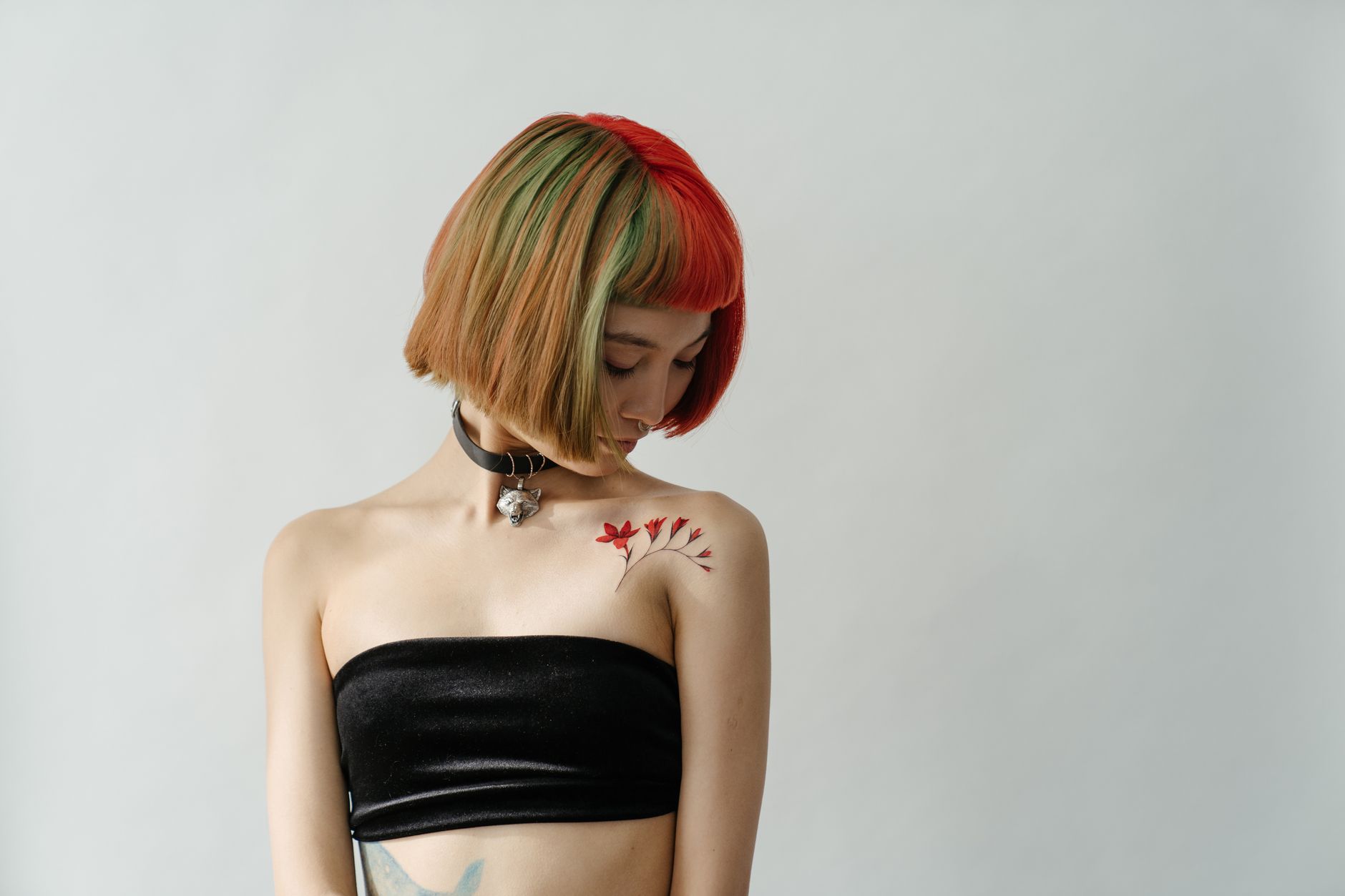
This technique can suit people who want to experiment with creative colour without committing to an all-over fashion shade. Depending on your preferences, the hidden sections could feature pink, violet, blue or another contrasting colour.
Pastel shades such as lavender, peach and rose pink offer a softer alternative to vivid colours, but they usually need more upkeep than natural brunette tones. Achieving pastel colour often requires a sufficiently light base, which may involve bleaching and a careful assessment of hair condition.
Before choosing a creative shade, ask your colourist about:
- The level of lightening required to achieve the colour.
- How the shade is likely to fade over time.
- Whether a colour-depositing product is suitable for home maintenance.
- The conditioning routine needed to manage the lightened sections.
Blonde and Pastel Hair Salon specialises in customised colour transformations, including blonde and pastel shades, peekaboo colouring, balayage, AirTouch and foilayage. Its website also describes personalised consultations, hair-condition assessments and protective options involving K18 and Olaplex. This consultation-led approach is relevant when deciding how adventurous you can be while still keeping maintenance realistic.
7. Choose a Non-Bleach Colour When Subtle Changes Are Enough
If you want to refresh your appearance without committing to a major lightening process, non-bleach colouring may be worth discussing with a professional. Depending on the formula and your starting shade, it can add richness, adjust tonal warmth or deepen your natural colour.
This approach is particularly useful for people who prefer chocolate brown, chestnut, burgundy or other shades that do not require a very light base. However, non-bleach colour cannot achieve every result, and it may not significantly lighten naturally dark hair. Previous colour applications can also affect the outcome.
Before deciding, discuss your hair history and desired finish with your colourist. A strand test may be recommended where the result is uncertain, especially if your hair has previously undergone chemical treatments.
The following comparison can help you narrow down your options.
Which Hair Colour Is Best for Your Lifestyle?
|
Hair Colour Idea |
Maintenance Level |
Best Suited To |
|
Soft balayage |
Low to moderate |
People who prefer blended regrowth |
|
Rich brunette |
Low to moderate |
Those wanting depth and a natural-looking finish |
|
Babylights |
Moderate |
Anyone seeking subtle brightness |
|
Caramel or honey highlights |
Moderate |
Brunettes wanting warmth and dimension |
|
Root-shadowed blonde |
Moderate |
Those who want lighter lengths with softer regrowth |
|
Peekaboo or pastel colour |
Moderate to high |
People who enjoy creative shades and regular upkeep |
|
Non-bleach colour |
Low to moderate |
Those seeking a tonal refresh without extensive lightening |
Maintenance levels are approximate. Actual upkeep depends on your natural hair colour, the technique used, your washing routine and how precisely you want to maintain the original shade.
Final Thoughts
The best hair colour for Singapore's climate is one that complements your style while fitting comfortably into your everyday routine. Blended balayage, rich brunettes, soft highlights and root-shadowed blondes can offer attractive dimension without necessarily demanding frequent touch-ups. Creative colours and pastels are also worth considering if you are happy to follow a more involved maintenance plan.
Before choosing a shade, think about how it will look as your hair grows, how much lightening it requires and how it will behave in humid weather. A personalised consultation can help you make an informed decision while prioritising the condition of your hair. Blonde and Pastel Hair Salon offers customised colour consultations and techniques ranging from balayage and AirTouch to blonde transformations and pastel colouring. If you are exploring a new look, visit blondeandpastelhairsalon.sg to learn more about its services and find a colour approach that suits your hair goals, lifestyle and maintenance preferences.
Frequently Asked Questions
1. Which hair colour is easiest to maintain in Singapore?
Rich brunette shades, subtle highlights and blended balayage are often practical choices because they can allow natural regrowth to look less noticeable. The best option depends on how different the chosen colour is from your natural shade. A consultation can help you balance the desired result with your preferred appointment frequency.
2. Does Singapore's humidity make hair colour fade faster?
Humidity mainly affects how hair behaves, often contributing to frizz, puffiness and changes in styling. Sun exposure, washing habits and the condition of the hair can also influence colour longevity. Using suitable aftercare products and protecting hair from prolonged sunlight can help maintain its appearance.
3. Is balayage better than traditional highlights for low-maintenance hair colour?
Balayage often creates a softer transition between the roots and lighter lengths, which can make regrowth less obvious. Traditional highlights may provide more uniform brightness but can produce more noticeable root lines, depending on their placement. Your preferred finish and maintenance expectations should guide the choice.
4. Can I have blonde or pastel hair without damaging my hair?
Bleaching and lightening can weaken the hair, so the result depends on your starting condition, colour history and the amount of lift required. A professional assessment helps determine whether the desired shade is achievable and whether it would be better to work towards it gradually. Protective treatments and appropriate aftercare can help support hair condition, but they cannot guarantee damage-free colouring.
5. How do I choose the right hair colour at a Bugis hair salon Singapore?
Consider your natural hair colour, skin tone, preferred style and willingness to maintain the shade. Bring reference photographs and explain how much time you want to spend on daily styling and salon visits. A colourist can then recommend suitable shades and techniques based on your hair's condition and your expectations.