

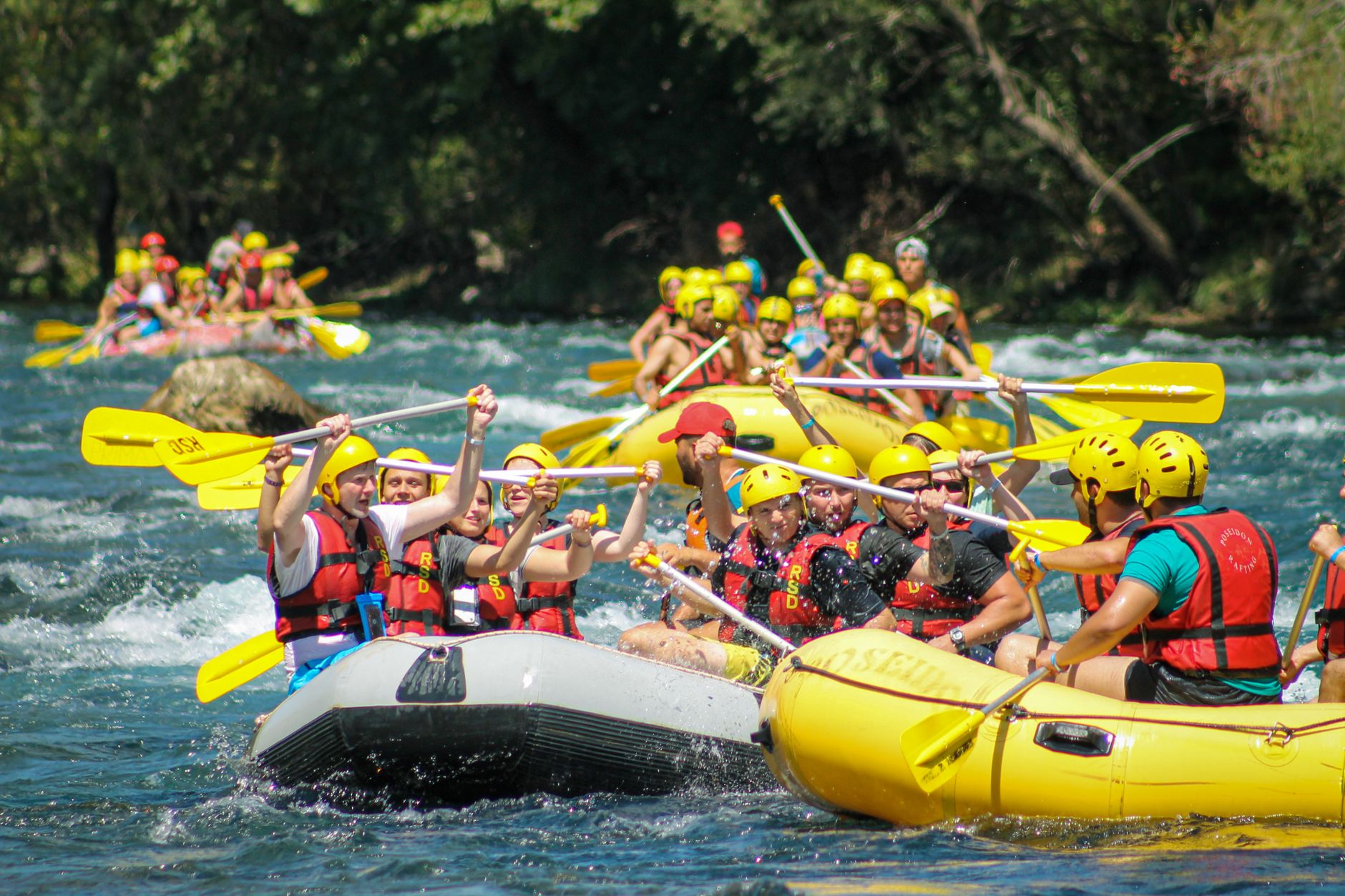
A three-day trip down a wilderness river covers more ground, literally and figuratively, than any single-day float ever could. You wake up to the sound of moving water instead of traffic, eat meals cooked over a camp stove on a gravel bar, and paddle through canyons that day-trippers never see because the good stuff is 20 miles downstream from the nearest boat launch. Understanding what these trips actually require, day to day, makes the difference between showing up prepared and showing up with the wrong gear entirely.
Table of Contents
The Basic Structure of Each Day
Mornings start early, usually with coffee and a hot breakfast before the sun clears the canyon walls. Guides break down camp, load the gear boats, and give a safety briefing before anyone touches a paddle. Paddling typically runs from mid-morning until early afternoon, broken up by stops for lunch, swimming holes, or short hikes to waterfalls or old homestead sites along the bank.
Afternoons often bring a lighter push to the next camp, giving people time to fish, nap, or explore before dinner. Evenings settle into a rhythm of cooking, eating, and sitting around a fire while the temperature drops. It's a slower pace than most people expect, with long stretches of flatwater between rapids that let the scenery do the work.
Camping and Overnight Logistics
Nights are spent on sandy beaches, forested flats, or open gravel bars, depending on the river. Outfitters haul in tents, sleeping bags, pads, and a full kitchen setup, so guests typically don't need to carry their own camping gear beyond a daypack. Bathroom facilities range from simple groover setups (portable toilets, more comfortable than the name suggests) to designated pit toilets on more regulated rivers.
Camp selection depends on water levels and river permits, which on popular stretches like the Middle Fork of the Salmon or the Grand Canyon are assigned months or years in advance. This means the itinerary isn't always flexible; guides pick campsites based on where they're permitted to stop that particular night. Weather can still shuffle plans, especially if flash flooding or high wind makes a site unsafe.
Meals on the River
Food on multi-day trips tends to be better than people expect from a wilderness setting. Dutch oven cooking is standard on many commercial trips, producing things like lasagna, cobbler, and grilled steak using charcoal briquettes and cast iron. Breakfasts run heavy on eggs, bacon, and pancakes, while lunches are often simple spreads of sandwiches, wraps, or fresh salads assembled streamside.
Coolers and dry boxes keep perishables cold for days at a time, and most outfitters can accommodate dietary restrictions with advance notice. Drinking water usually comes from filtered river water or jugs brought along for the trip, treated to be safe for consumption. Alcohol is often permitted and sometimes provided, though policies vary by outfitter and by river.
Gear and Packing Considerations
Space is limited, so packing lists for these trips are specific and worth following closely. Most outfitters provide dry bags for clothing and personal items, along with instructions on what to keep accessible during the day versus what stays packed away. A typical list includes quick-dry clothing, a warm layer for evenings, closed-toe river shoes, sun protection, and a reusable water bottle.
Personal electronics need extra protection since dunking is a real possibility on rapids, even on relatively calm stretches. Many guides recommend leaving valuables at home entirely rather than risking them in a dry bag that could still take on water. Anyone considering multi-day rafting trips should also ask outfitters directly about weight limits, since gear boats have finite capacity and overpacking creates real logistical headaches for guides.
Skill Level and Physical Demands
Rapids on multi-day trips range from mellow Class I riffles to technical Class IV drops, depending on the river and time of year. Guides typically handle the technical navigation, but paddle crews are expected to follow commands quickly, especially in bigger water. Physical demands include sitting and paddling for several hours a day, occasional swimming, and hauling personal gear short distances between the boat and camp.
Most healthy adults and older children can handle these trips without issue, though outfitters usually set minimum age requirements based on the river's difficulty. Heat, sun exposure, and long days outdoors are often more physically taxing than the paddling itself. Building in rest days or shorter mileage days helps balance the exertion, especially on trips longer than four or five days.
What Makes These Trips Worth the Planning
The appeal comes down to access. Multi-day trips reach stretches of river, canyon, and backcountry that no road touches, and that isolation is the entire point. Once the logistics of gear, food, and permits are handled by an outfitter, what's left is several days of genuine disconnection, measured out in rapids, campfires, and stars that show up brighter the farther you get from town.