

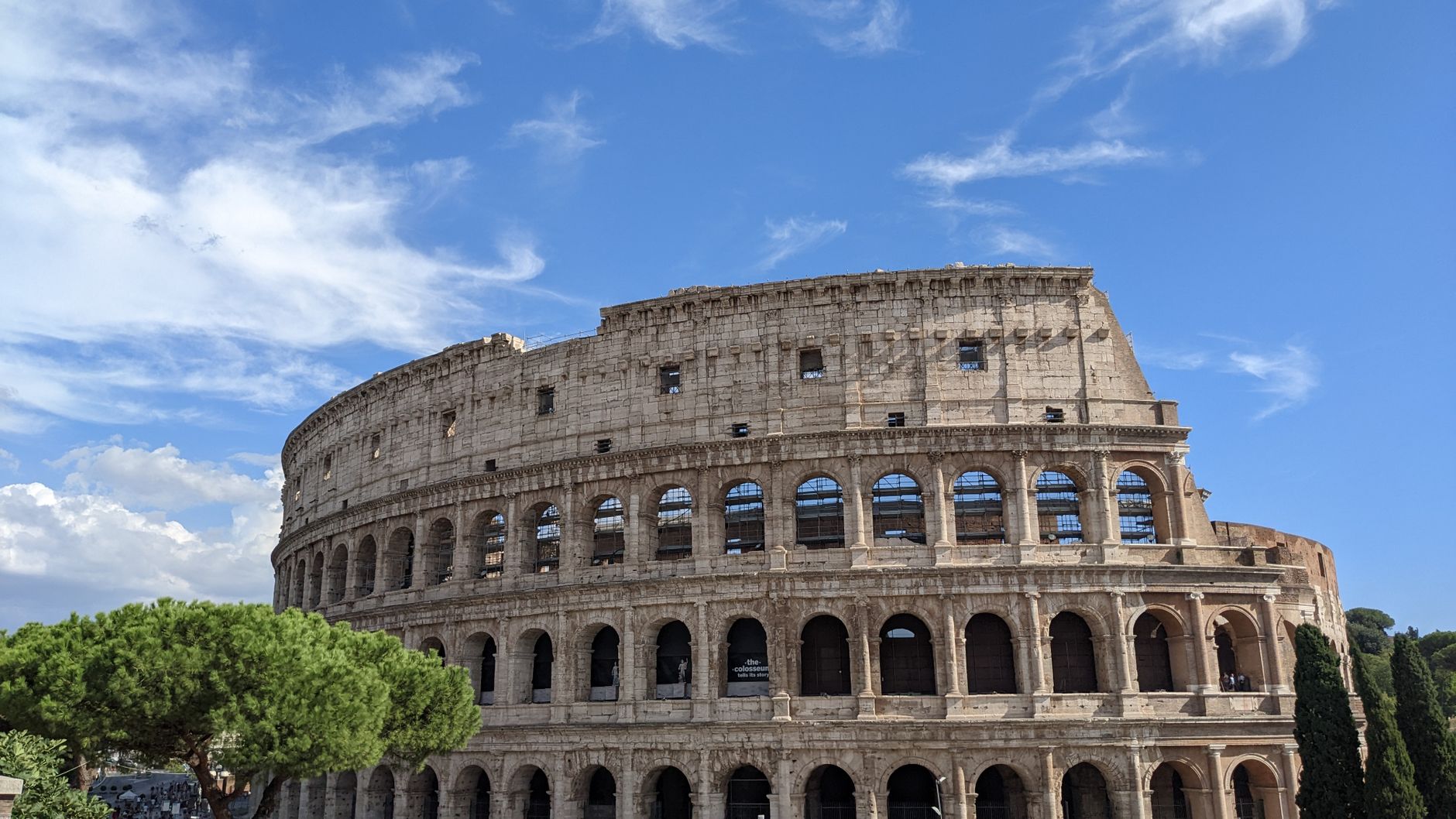
The Colosseum sees roughly 6.5 million visitors a year, which makes it one of the most-visited monuments on earth and, on any given afternoon, one of the more chaotic ticket lines in Rome. Getting inside without wasting half a day requires understanding how the ticketing system actually works, not just showing up with a credit card and hoping for the best. Here's what to know before you go.
Table of Contents
Understanding the Ticket Options
A standard Colosseum ticket includes access to the arena floor level, the Roman Forum, and Palatine Hill, and it's valid for 24 hours across all three sites. That single ticket price covers a lot of ground, but the basic version does not include the upper tiers or the underground chambers where gladiators and animals once waited before fights.
For those areas, you need a specific ticket type: Full Experience tickets grant access to both the arena floor and the underground level, while Full Experience tickets with Belvedere add the top ring for panoramic views over the city. These upgraded tickets cost more and release in limited quantities, so they sell out faster than the standard entry.
All tickets are timed, meaning you're assigned a specific entry window, usually in 15-minute increments. Arriving outside that window can mean being turned away or sent to the back of a long queue, so treat the time slot as a hard appointment rather than a suggestion.
Booking Timing: How Far in Advance
Tickets for the Colosseum go on sale in monthly batches through the official Coopculture website, typically released about a month ahead. During peak season, from April through October, tickets for popular time slots can sell out within days of release, particularly for weekends and holidays.
Booking two to four weeks ahead is a safe window for most travelers visiting in shoulder season. For summer visits, especially July and August, booking as soon as the calendar opens is the more reliable approach. Waiting until the week of your visit is a gamble that often ends with either no availability or only very early or very late slots left.
Choosing the Right Time of Day
Entry slots run from roughly 9:00 a.m. until an hour before closing, and closing times shift with the season, from as early as 4:30 p.m. in winter to as late as 7:15 p.m. in summer. The first entry slots of the day and the last two hours before closing tend to be noticeably less crowded than the midday rush between 11:00 a.m. and 2:00 p.m.
Early morning visits also mean cooler temperatures, which matters more than it sounds in a stone amphitheater with limited shade during a Roman summer. Late afternoon slots offer softer light for photos and smaller tour groups moving through the same corridors.
Guided Access Versus Self-Guided Entry
Tickets alone get you through the gate, but they don't include much context once inside. The Colosseum has minimal on-site signage, and what exists is fairly general, so first-time visitors often leave without understanding much beyond the building's basic shape and age.
Guided options solve that gap and also come with a practical perk: many licensed tour operators have access to dedicated entry lines, which can save considerable time during peak hours. For travelers who want both the historical context and a smoother entry process, Colosseum tours Rome options led by trained guides tend to cover not just the arena's construction and use, but also its role in Roman politics and daily life, details that are easy to miss on a self-guided walk-through.
Private tours offer more flexibility on pacing and subject matter, which matters if traveling with kids who lose interest quickly or with anyone who wants to linger over specific details. Group tours cost less and still provide the same skip-the-line advantage, just with a shared schedule and pace.
Security, Bag Policy, and What to Bring
Every visitor passes through an airport-style security check before entering, including a bag scan and metal detector. Backpacks and bags are permitted, but large suitcases are not, and there's no formal bag storage on-site, so plan accordingly if arriving with luggage.
Bring a printed or digital copy of the ticket confirmation and a valid photo ID, since names on tickets are checked against identification at entry. Water is allowed and genuinely necessary, particularly on stone terraces with almost no shade for stretches of the visit.
Accessibility Notes
The Colosseum has made real improvements to accessibility, including ramps and an elevator that reaches the arena floor level for visitors with mobility limitations. Advance notice through the official booking channels is recommended, since accessible entry sometimes requires coordination with staff ahead of the visit date. The upper tiers and underground sections, however, involve uneven surfaces and stairs that aren't fully accessible, so it's worth checking current conditions before assuming full access to every level.
Getting the Timing Right
The single biggest factor in a smooth Colosseum visit isn't which ticket tier you choose but how early you book it and how well you match your entry slot to a quieter part of the day. Lock in a time slot at the edges of the operating hours, keep documents ready for the security check, and decide upfront whether the deeper historical context of a guided visit is worth the added cost. Get those three details right, and the rest of the visit tends to fall into place on its own.