

South Africa rarely fits into a single trip category. It is part safari destination, part wine region, part coastal road trip, and part living history lesson, often all within the same two-week itinerary. That range is exactly what makes it hard to plan for on a first visit, since the obvious highlights sit hundreds of miles apart and reward different kinds of preparation. This guide breaks down the country’s three anchor regions, Kruger, Cape Town, and the Garden Route, along with what is worth understanding about its history before arriving. For travelers ready to commit to the distances involved, tours to South Africa that combine these regions into one route tend to make far more sense than trying to piece the country together independently.
Table of Contents
Kruger National Park and the Big Five
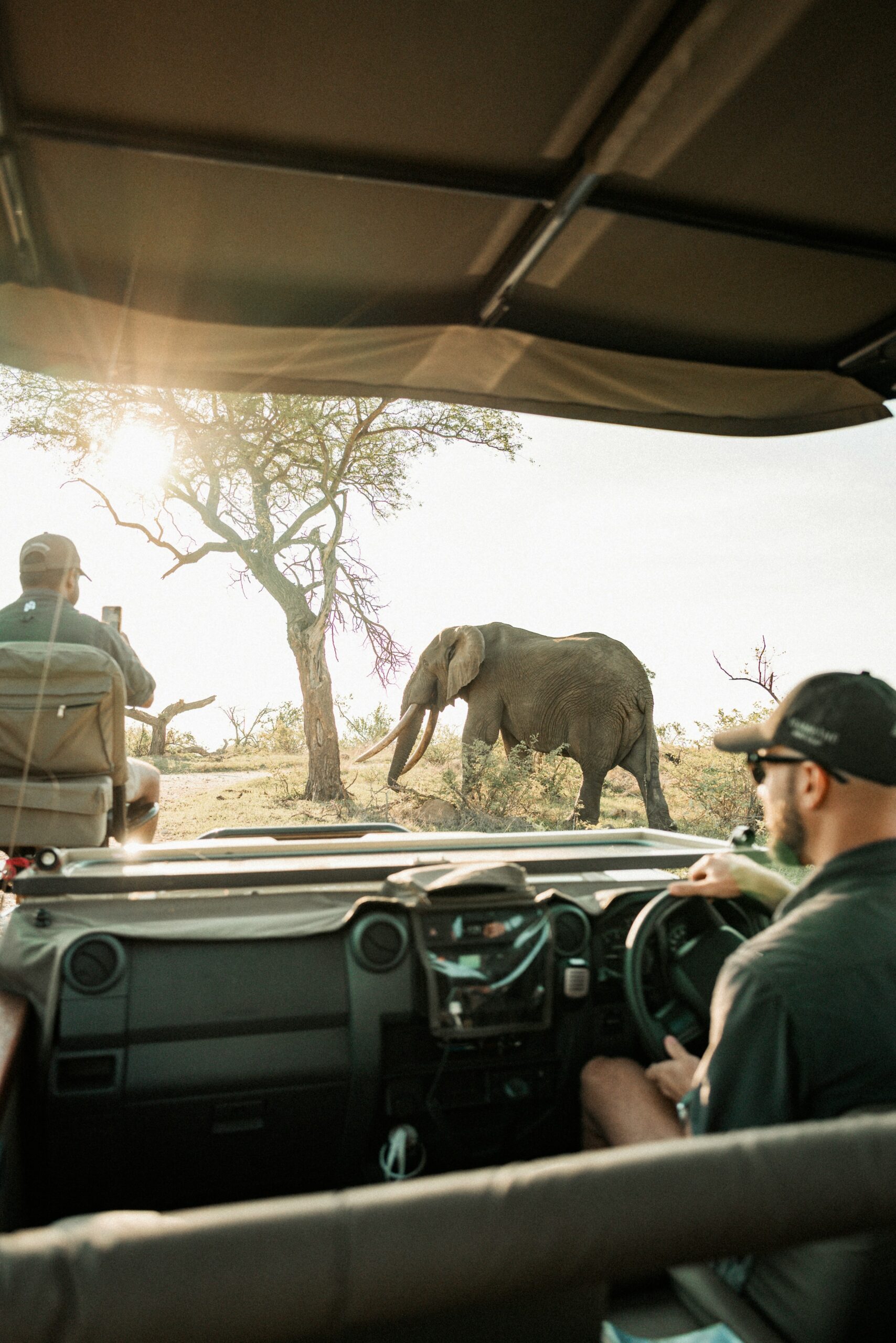
Kruger National Park, roughly the size of Israel, holds one of the highest densities of wild animals anywhere in Africa, which is why it remains the country’s most visited safari destination despite the distance from Cape Town. Lions, elephants, rhinos, leopards, and buffalo, the traditional Big Five, all live within the park’s boundaries alongside giraffes, hippos, and well over five hundred recorded bird species. Game drives typically run at dawn and dusk, when animals are most active and the heat has not yet driven them into shade, and both self-drive and guided options exist depending on comfort level and budget. Private reserves bordering the park, including Sabi Sands, offer a more intensive wildlife experience with off-road tracking and higher sighting rates, though at a considerably higher nightly cost than the public park. Malaria risk exists in this region, so travelers should consult a doctor about prophylaxis well before departure rather than leaving it until the final packing list.
Cape Town: Table Mountain to the Winelands
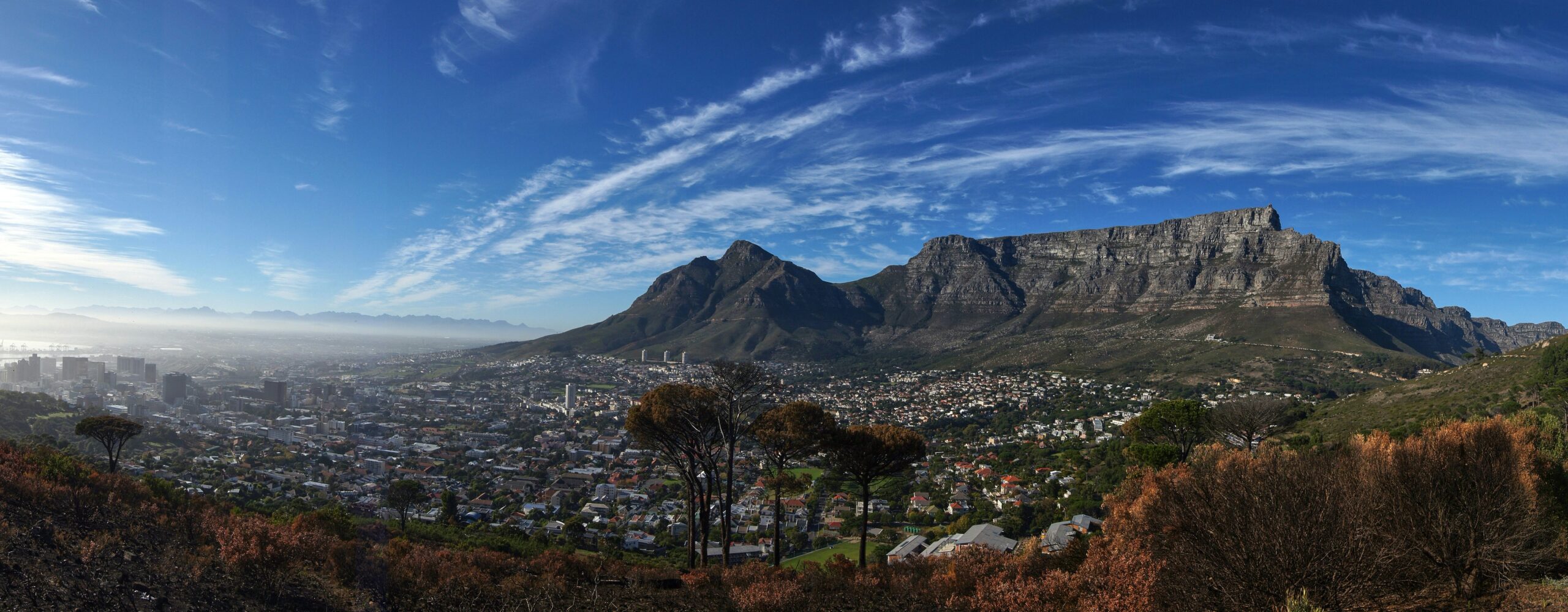
Cape Town anchors most South Africa itineraries, and Table Mountain, reached by cable car or a several-hour hike, gives the clearest sense of why the city draws comparisons to few other places on Earth. The V&A Waterfront combines shopping and dining with harbor views, and ferries from there run out to Robben Island, where Nelson Mandela spent eighteen of his twenty-seven years in prison, now preserved as a museum and memorial. A short drive inland reaches the winelands around Stellenbosch and Franschhoek, where centuries-old estates offer tastings against a backdrop of mountains that would not look out of place in parts of Europe. Boulders Beach, south of the city center, hosts a colony of African penguins that waddle freely among sunbathers, an unusual sight for a beach destination by any measure. Between the mountain, the coastline, and the wine country, Cape Town alone can reasonably absorb four or five days without repeating an activity.
The Garden Route and Oudtshoorn
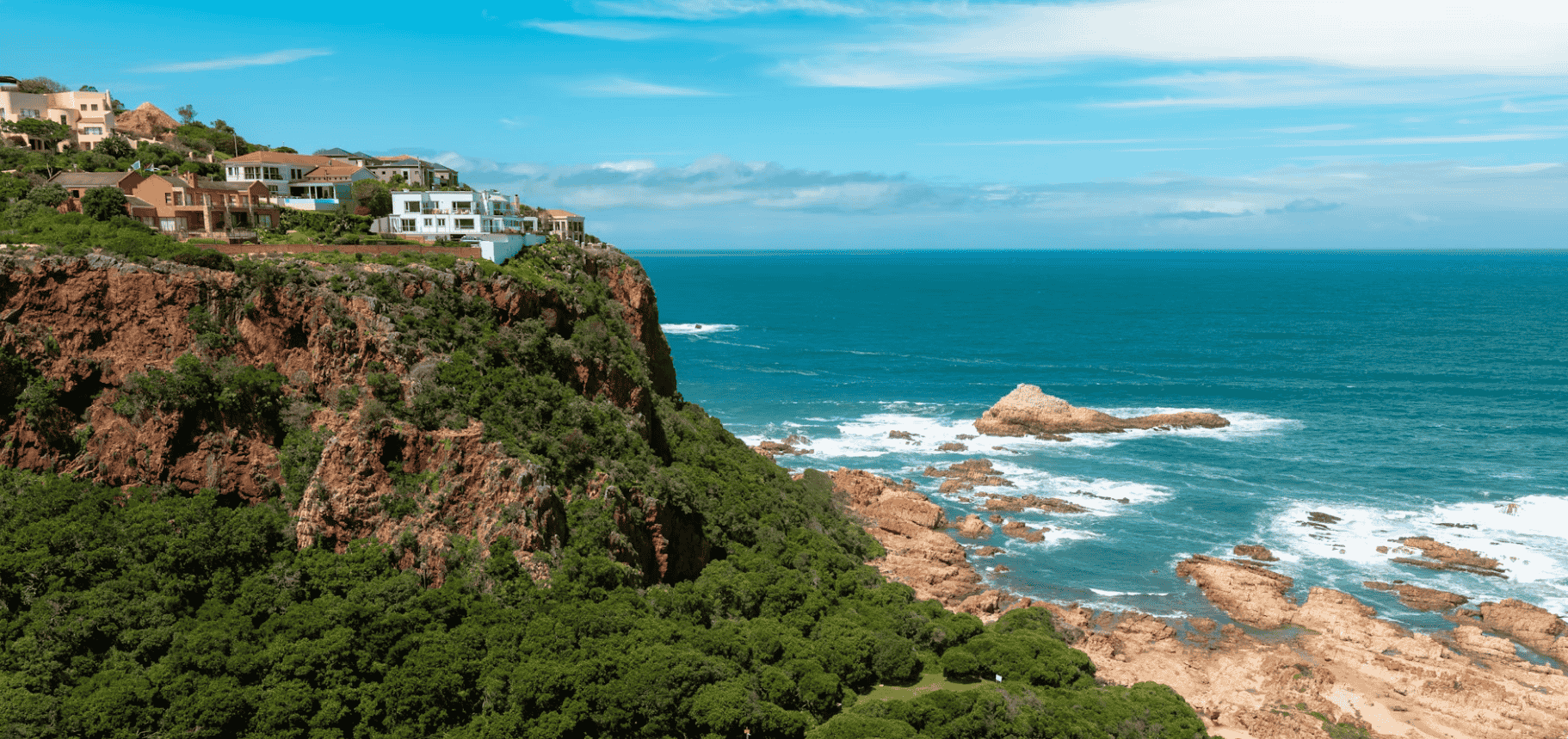
The Garden Route, a coastal stretch running roughly from Mossel Bay to Storms River, packs beaches, forests, and small towns into a drive that most travelers cover over three or four days rather than rushing through in one. Knysna, built around a scenic lagoon, and Plettenberg Bay, known for its beaches and nearby elephant sanctuaries, both make natural overnight stops along the route. Tsitsikamma National Park adds a rougher edge to the drive, with suspension bridges over river gorges and some of the country’s oldest indigenous forest still standing. Inland from the coast, Oudtshoorn calls itself the ostrich capital of the world, and farm visits here typically include a look at the birds themselves along with a chance to try ostrich meat, prepared as everything from steak to biltong. The nearby Cango Caves, a network of dripstone caverns formed over millions of years, offer an easy add-on for travelers passing through the Klein Karoo region.
History and Culture Worth Understanding
South Africa’s recent history shapes how the country presents itself to visitors more directly than in most travel destinations, and a basic understanding of apartheid before arriving changes how several major sites read once there. The Apartheid Museum in Johannesburg lays out the system’s rise and fall in detail, from its formal establishment in 1948 to its end following the 1994 election that brought Nelson Mandela to power. Soweto, the township on Johannesburg’s edge, offers guided tours that cover both the area’s role in anti-apartheid resistance and its present-day community life, a combination that avoids reducing the visit to history alone. The country recognizes eleven official languages, including Zulu, Xhosa, Afrikaans, and English, a reflection of a population that resists easy generalization. Understanding this layered history does not require a dedicated study trip, but building in time for at least one museum or township visit adds real depth to a itinerary otherwise focused on wildlife and scenery.
Planning Realistic Distances
South Africa’s size catches many first-time visitors off guard, and the distance between Cape Town and Kruger, over a thousand miles by road, makes a domestic flight the practical choice for covering both regions in one trip. Most itineraries fly into Cape Town, spend four or five days in and around the city and winelands, then fly to Johannesburg or directly to a Kruger-area airport for the safari portion. The Garden Route fits most naturally as a road trip extension from Cape Town rather than a separate flight, since the driving itself is part of the appeal. A realistic minimum for covering all three regions without feeling rushed runs around twelve to fourteen days, matching what most tour operators build their standard itineraries around. Winter, from May to September, brings cooler temperatures well suited to game drives, while the summer months from November to March favor the coast and beaches, so the time of year is worth weighing against which regions matter most.