

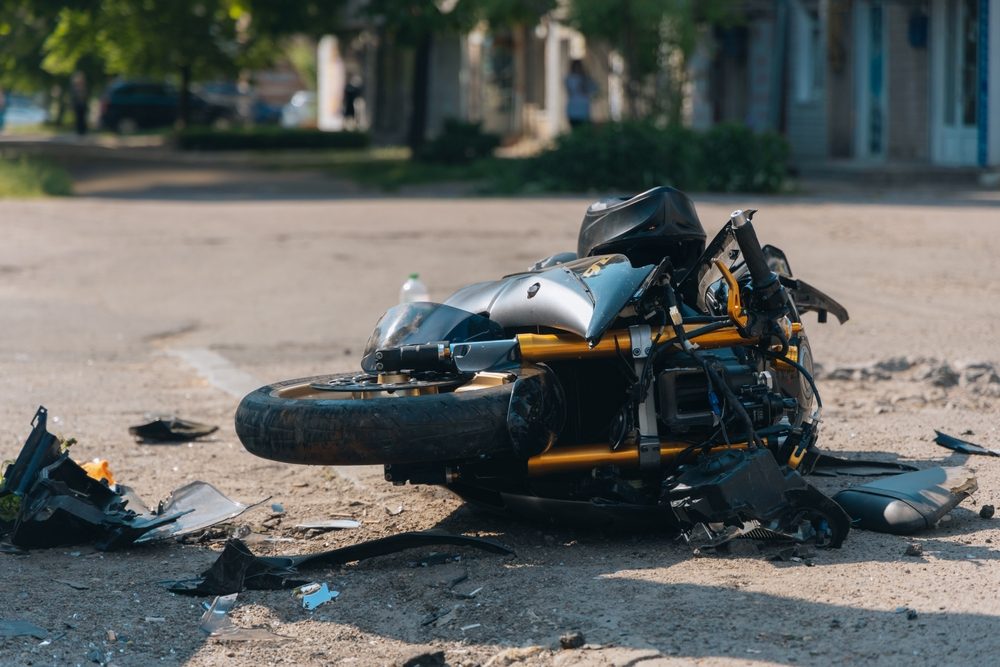
Two witnesses can stand at the same intersection, watch the same motorcycle crash, and walk away with completely different accounts. One may remember a car turning without warning, while another believes the motorcyclist entered the lane too quickly. These differences can make it harder to establish what really happened and who should be held responsible. For injured riders, conflicting statements can also create problems during insurance reviews and compensation claims. A lawyer for motorcycle crash claims may compare witness accounts with photographs, police reports, and other available evidence. Knowing how these disagreements affect a claim can help riders understand what matters most.
Table of Contents
Why Witness Statements Matter in Motorcycle Crashes
Witnesses can provide details that the people involved in a crash may have missed. Their accounts may help explain how the collision happened, especially if the drivers disagree about who caused it.
Witness statements can help establish several important facts:
- Traffic signals: A witness may remember which vehicle had the right of way.
- Vehicle movements: Someone may have seen a driver change lanes or turn suddenly.
- Road conditions: Witnesses may describe poor visibility, traffic, or obstacles.
- Actions before impact: An account may explain whether a driver slowed down or tried to avoid the collision.
Independent witnesses can be helpful because they may have no personal connection to either driver. However, their statements still need to be checked against other available evidence.
Common Reasons Witness Statements Conflict
People can watch the same crash and remember it differently. A collision happens quickly, and witnesses may only see part of what took place. Their accounts can differ without anyone deliberately giving false information.
Common reasons for conflicting statements include:
- Different viewing angles: One person may see the motorcycle clearly, while another sees only the other vehicle.
- Blocked views: Traffic, trees, parked cars, or buildings may hide important details.
- Stress and confusion: A sudden collision can make it harder to notice events in the correct order.
- Memory problems: Details may become less clear as time passes.
- Personal bias: Someone who knows a driver may be more likely to support that person's account.
These differences matter because a small detail, such as which vehicle entered an intersection first, may affect how the crash is understood.
How Conflicting Accounts Affect Fault and Liability
Insurance companies review witness statements to help decide who may be responsible for a motorcycle crash. Conflicting accounts can make that decision harder, particularly if each witness strongly supports a different version of events.
For example, one witness might say the motorcyclist was traveling within the speed limit, while another claims the rider was moving too fast. If neither account matches the available evidence clearly, the insurer may need more information before making a decision.
Disagreements about traffic signals, lane changes, speeding, and right of way can also affect how responsibility is assessed. In some cases, the evidence may show that more than one person contributed to the crash. Whether this affects compensation depends on the applicable state law and the facts of the case. Conflicting statements alone do not prove that a rider was at fault or remove the right to seek compensation.
How Investigators Check Conflicting Witness Statements
Investigators do not have to accept one witness's account simply because it sounds convincing. They can compare each statement with physical evidence and other records to see which details match.
Their review may include:
- Police reports: These can provide initial observations, witness details, and information about the crash scene.
- Photographs and videos: Traffic cameras, dashcams, and nearby security cameras may show how the collision happened.
- Vehicle damage: The location and type of damage may help explain the direction and force of impact.
- Road evidence: Skid marks, debris, and road conditions may support or challenge a witness's account.
- Statement consistency: Investigators may compare what each person said at different times and check whether those details match other evidence.
No single piece of evidence must settle every disagreement. The aim is to assess the available information as a whole rather than rely on one person's memory.
Steps Riders Can Take to Support Their Claims
Riders can help preserve useful information after a crash without trying to influence what witnesses say. Accurate records can make it easier to review disagreements later.
Helpful steps include:
- Collect contact details: If it is safe, record the names and contact information of people who witnessed the collision.
- Save photographs: Keep pictures of vehicle damage, road conditions, traffic signs, and the crash scene.
- Write down your recollection: Record what you remember as soon as you can, without guessing about details you did not see.
- Keep medical records: Save documents showing injuries, treatment, and related expenses.
- Preserve communications: Keep relevant messages and insurance correspondence connected to the claim.
Witnesses should give their own honest accounts rather than agree on a shared version of events. Riders should also avoid changing their statements simply to match someone else's description.
What If Witnesses Still Disagree?
Sometimes, the available evidence cannot fully resolve conflicting accounts. An insurer may request additional records, contact other witnesses, or review video footage before deciding how to handle a claim. If the disagreement continues, it may affect settlement discussions or become an issue in court. The outcome depends on the evidence, the circumstances of the crash, and the law that applies.
Building a Clearer Picture of the Crash
Conflicting witness statements can complicate motorcycle crash claims, but they do not automatically prevent a rider from seeking compensation. Reliable records, clear photographs, medical documents, and consistent accounts can help establish what happened. A lawyer for motorcycle crash claims may review these materials and identify where witness statements agree or differ. The most useful approach is to preserve available evidence, provide honest information, and avoid making assumptions about what others saw. A claim should be assessed through the full set of available facts, not one disputed statement alone.
1 thought on “How Conflicting Witness Statements Affect Motorcycle Crash Claims”
Comments are closed.