

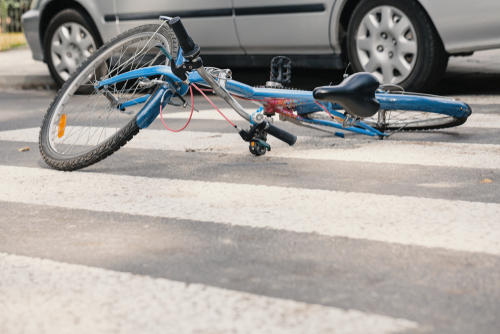
An insurance company may accept that a bicycle accident happened while still questioning who caused it or how serious the injuries were. That difference can affect how a claim is handled. A cyclist's explanation matters, but supporting records may provide important details that a statement alone cannot establish. People who file a bicycle accident claim may use medical documents, accident reports, photographs, and witness accounts to explain the collision. Some records help establish responsibility, while others show the financial effects of an injury. Knowing what each type of evidence can prove makes the claim easier to assess.
Table of Contents
Why Evidence Matters More Than Assumptions
A bicycle accident claim often begins with disagreement. A driver may say the cyclist turned suddenly, while the cyclist may remember a vehicle crossing into the bike lane. Neither account automatically settles responsibility. Records can help compare those statements with what was present at the scene.
Evidence also helps explain the injuries and financial losses connected to the collision. Each record answers a different question. A photograph may show a road hazard, while a medical report describes treatment. Together, they can make a claim clearer without guaranteeing any particular result.
Photographs Can Preserve Missing Details
Road conditions can change quickly. A vehicle may be moved, broken glass cleared, or a temporary warning sign removed. Photos taken safely after a collision can preserve details that might otherwise disappear.
Images may show traffic signs, bike lane markings, road defects, vehicle positions, and damage to the bicycle. Wider photos give context, while closer pictures can show marks or broken parts. A photograph of a bent wheel, for example, may help explain the point of contact, but it cannot prove every movement that led to the crash.
Dates and original image files may also help establish when the pictures were taken.
Medical Records Explain the Injury Timeline
Medical records do something photographs cannot. They describe reported symptoms, examination findings, treatment, and follow-up care. An initial visit may document pain or limited movement, while later notes can show whether those problems improved or continued.
This timeline can matter if an insurer questions whether an injury came from the bicycle crash. Records are not perfect proof of cause, however, and an injury report does not determine who was responsible for the collision.
Bills and treatment notes serve different purposes. One shows an expense; the other can help explain why that care was provided.
Witness Accounts and Video Can Fill Gaps
What Other People Noticed
A nearby pedestrian or driver might remember a traffic signal, a turning vehicle, or the cyclist's position. Independent accounts can be useful when the people involved disagree. Still, witnesses may see only part of an event, so their descriptions should be considered alongside other records.
What Cameras Actually Captured
A store camera, dashboard camera, or other recording may show the sequence of movements before impact. Footage can also have limits. A poor angle may hide a traffic light or fail to show the start of the collision. Video is valuable because it can be checked, not because it always tells the whole story.
Police Reports and Damaged Equipment
A bicycle accident report may record the location, time, statements, and observations made after the collision. It can help identify the parties involved and preserve basic facts. But a report may contain disputed information and does not always decide legal fault.
The damaged bicycle, helmet, clothing, and repair estimates may add useful context. For instance, a cracked helmet can help document property damage, although its condition alone cannot establish how an injury occurred. Keeping records of repairs or replacement costs may also support a request for payment for damaged belongings.
Financial Records Show the Wider Cost
A claim may involve more than medical treatment and bicycle repairs. Missed work, transportation to appointments, and other related costs can affect the amount requested. These losses are easier to review when supported by documents rather than estimates.
Useful records include:
- Medical invoices and payment receipts.
- Employer letters or pay statements showing missed income.
- Bicycle repair quotes and replacement receipts.
- Receipts for travel connected to treatment.
Not every expense will necessarily be covered. The applicable law, insurance terms, and connection to the accident still matter.
Putting the Pieces Together
No single photograph, witness, or report guarantees a successful outcome. A stronger account comes from records that support one another and explain both the collision and its effects. Someone looking to file a bicycle accident claim may find that accurate dates, original documents, and consistent medical information are more useful than assumptions about fault. The aim is not to collect the largest possible stack of paperwork. It is to preserve reliable details that answer the questions likely to arise during the review of a claim.