

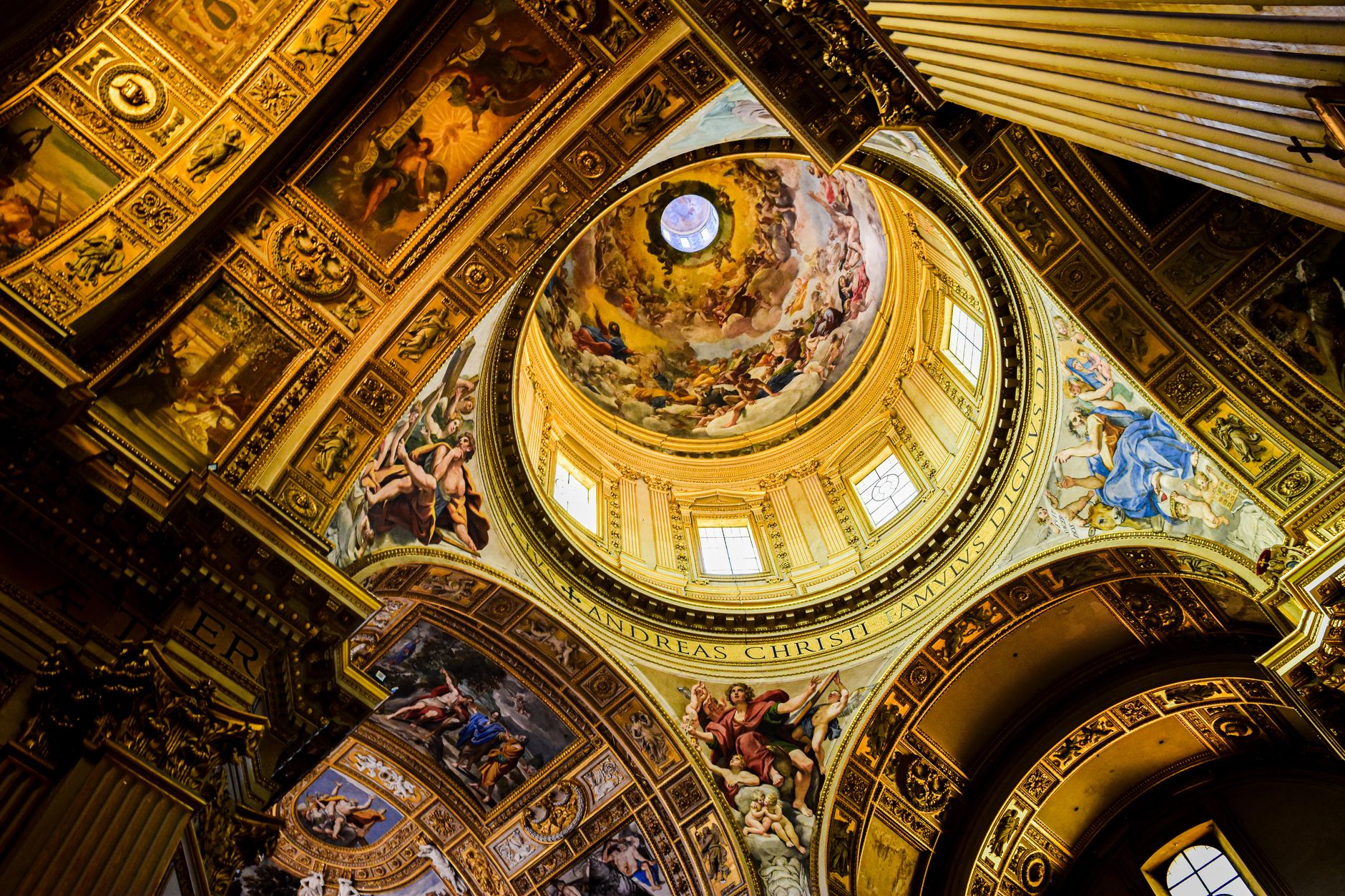
The Sistine Chapel sees roughly 20,000 visitors a day during peak season, all funneled through a single room measuring about 40 by 13 meters. That math alone explains why timing and preparation matter more here than almost anywhere else in Vatican City. Knowing the rules before you arrive, and understanding when the crowds thin out, changes the experience from a shuffling scrum into something closer to what Michelangelo intended people to feel.
Table of Contents
What You Can and Can't Do Inside
Photography has been banned inside the chapel since the 1980s, a condition tied to a restoration deal with a Japanese television network that funded the cleaning of the frescoes in exchange for exclusive filming rights. That contract expired decades ago, but the no-photo rule stuck, partly to protect the artwork from flash damage and partly to keep foot traffic moving. Guards blow whistles and repeat "no photo" constantly, and phones do come out anyway, but getting caught means a firm verbal warning at minimum.
Eating and drinking are also off-limits, as is any kind of video recording. Bags larger than a small backpack sometimes get flagged for the cloakroom, though enforcement varies by season and staffing. Skip bringing anything you'd mind checking, since the security line alone can add fifteen minutes at busy periods.
The Silence Rule
Unlike much of the Vatican Museums, the Sistine Chapel enforces genuine quiet. It functions as a consecrated space used for papal conclaves, and the Vatican treats it accordingly. Guards periodically call for "silencio" over a loudspeaker when noise levels rise, which happens often given that hundreds of people occupy the room at once.
This isn't just etiquette theater. Tour guides are required to stop narrating once inside the chapel itself, which means anyone relying on a group tour needs to get context beforehand, in an adjoining gallery or courtyard, rather than expecting commentary while standing under the ceiling.
Dress Code Requirements
The dress code applies to the entire Vatican Museums complex, not just the chapel, but it's enforced most visibly at this final checkpoint. Shoulders and knees need to be covered for both men and women. Tank tops, shorts above the knee, and short skirts will get you turned away at the entrance, sometimes after already waiting in line for over an hour.
Carrying a light scarf or shawl solves this problem for most travelers, since staff generally accept improvised coverage as long as the skin is hidden. Flip-flops and swimwear are also discouraged, though not always checked as strictly as shoulder and knee coverage.
When the Crowds Are Worst
Late morning, roughly 10:30 a.m. to 1:30 p.m., is the single worst window on any given day. This is when tour buses from cruise ships and day-trip groups converge, and when the museum's total daily capacity starts pushing toward its limit. Wednesdays tend to be slightly better since that's when many groups attend the Pope's general audience in St. Peter's Square instead.
Weekends compound the problem, particularly Saturdays, since that's the only day locals and school groups can visit alongside tourists. The museums close entirely on Sundays except for the last one of each month, which draws enormous crowds because entry is free.
Best Times to Visit
Early morning entry, right at the 8 a.m. opening, offers the clearest run at the ceiling before tour groups arrive. Booking the first slot means walking through several galleries with noticeably fewer people, then reaching the chapel itself while it's still relatively calm.
Late afternoon works nearly as well. The museums typically close at 6 p.m., with last entry around 4 p.m., and the final ninety minutes see a steady drop in visitor numbers as day-trippers head off to dinner reservations or bus departures. November through February also brings smaller crowds overall compared to the June through August peak, even accounting for holiday travel around Christmas.
For anyone who wants both timing advantages and context without a guide talking over the silence rule, small-group Sistine Chapel tours booked for early morning slots tend to combine the best of both: skip-the-line access and a guide who explains the frescoes before entering, leaving the chapel itself for quiet viewing.
Getting In: Tickets and Entry Options
Standard tickets can be purchased directly through the Vatican Museums website, and booking at least a week ahead is standard advice during spring and summer. Walk-up tickets exist but often mean waiting outside for two hours or more, especially between April and October.
Combined tickets that include the Vatican Gardens or extended museum access are available for travelers planning a longer visit. Whichever option gets chosen, printing or downloading the ticket in advance avoids delays at the entrance scanners, which move faster than they used to but still bottleneck when hundreds of people arrive at once.
The real lesson here isn't complicated: arrive early, dress appropriately, and treat the silence rule as a genuine expectation rather than a suggestion. Do those three things and the ceiling gets the kind of attention it was actually painted for.
1 thought on “Inside the Sistine Chapel: Rules, Crowds and Timing”
Comments are closed.