

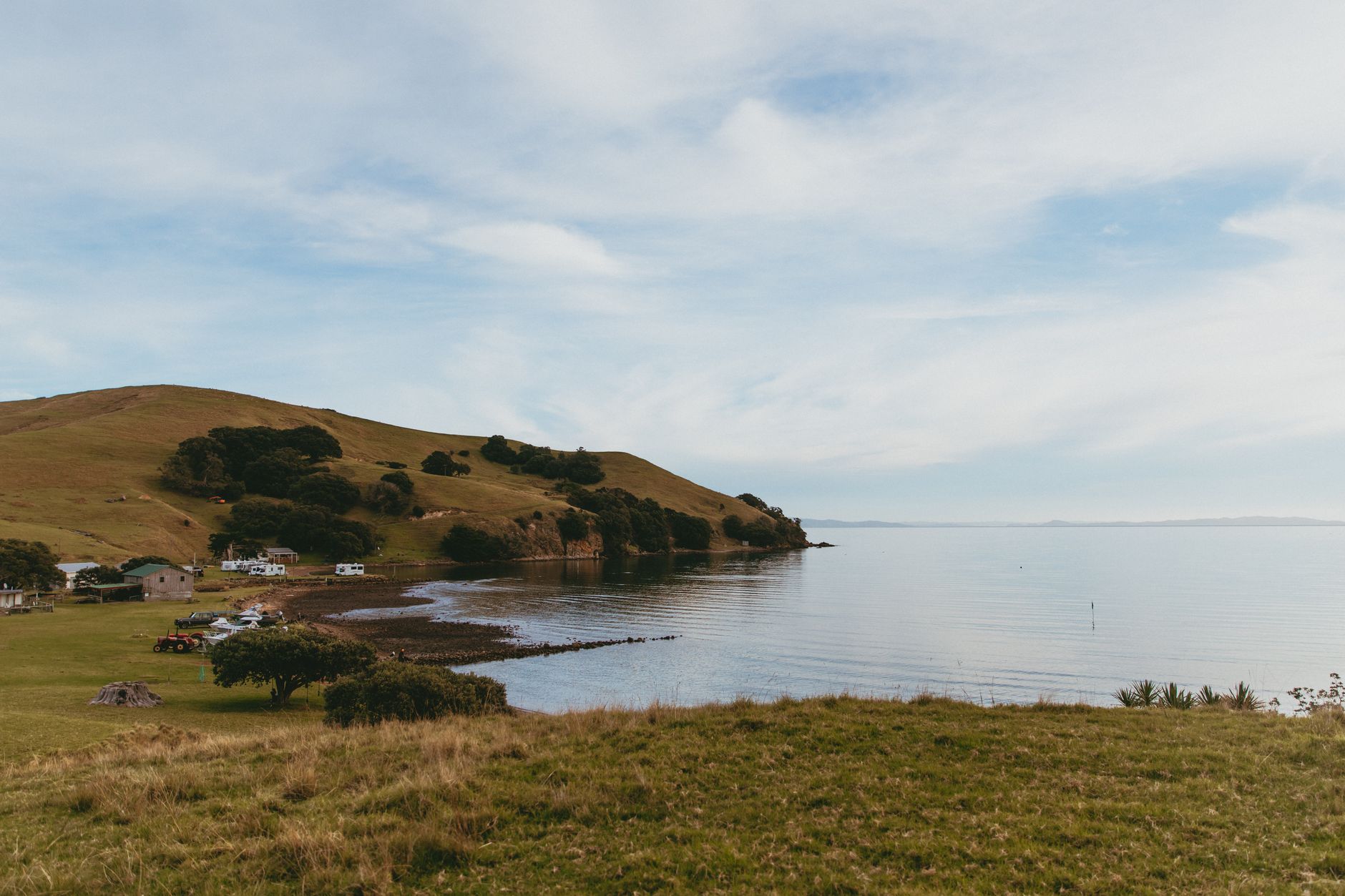
Planning a trip to New Zealand in 2026 means dealing with a country that's changed noticeably since the pandemic-era lull. Visitor numbers have climbed back past 3.5 million annually, popular hikes now require permits booked months in advance, and the exchange rate has shifted enough to affect how far a travel budget stretches. This guide covers what actually matters for a 2026 visit — timing, logistics, costs, and the regions worth prioritizing.
Table of Contents
When to Go in 2026
New Zealand's seasons run opposite to the Northern Hemisphere, so December through February is summer, and June through August is winter. Summer brings the best weather for hiking and beach time but also the highest prices and the thickest crowds, especially around Queenstown and the Coromandel Peninsula.
Shoulder seasons, March to May and September to November, offer a better balance. Autumn (March–May) brings stable weather, golden foliage in Central Otago, and noticeably thinner crowds at major attractions. Spring (September–November) is less predictable weather-wise but works well for wildflower blooms and lower accommodation rates.
Winter is worth considering if the goal is skiing at Queenstown, Wanaka, or the Mt Ruapehu fields on the North Island. Snow reliability has been inconsistent in recent seasons due to warmer winters, so booking flexible dates or travel insurance that covers weather cancellations is a smart move for a 2026 ski trip.
Getting Around the Two Islands
New Zealand splits cleanly into the North Island and South Island, connected by a three-hour ferry crossing between Wellington and Picton. Most visitors rent a car or campervan, since public transport between smaller towns is limited and often infrequent.
Driving distances look short on a map but take longer than expected. Winding roads, single-lane bridges, and speed limits around 80-100 km/h on rural highways mean a 300-kilometer trip can easily take four or five hours. Budget extra time between stops rather than cramming too many destinations into one day.
For those who prefer not to drive, organized coach networks and small-group tours cover the major routes efficiently. Companies specializing in touring New Zealand have expanded their 2026 itineraries to include more South Island back-road routes, which is a good option for travelers who want structure without renting a vehicle themselves.
Must-See Regions Worth the Detour
Fiordland National Park, home to Milford Sound and the lesser-visited Doubtful Sound, remains the single most photographed landscape in the country, and for good reason. Cruises run daily, but booking a morning departure avoids the tour-bus crush that arrives by early afternoon.
The Bay of Islands, in the far north, offers a warmer climate and marine life including dolphins and orcas, plus historical sites tied to New Zealand's founding treaty. It's an easy add-on for anyone flying into Auckland who wants a coastal counterpoint to the mountains further south.
Central Otago deserves more time than most itineraries give it. Beyond Queenstown's adventure sports, the region has a growing wine industry centered around pinot noir, along with quieter towns like Arrowtown that retain gold-rush-era architecture.
Budgeting for a 2026 Trip
Expect daily costs of roughly NZD 150-250 per person for mid-range travel, covering a rental car, basic accommodation, and meals. Backpacker-style travel with hostel stays and self-catering can push that down to NZD 80-120, while a higher-end trip with guided tours and boutique lodges can exceed NZD 400 per day.
Fuel prices sit around NZD 2.60-2.90 per liter as of early 2026, which matters given how much driving a typical itinerary involves. Groceries in supermarkets are reasonably priced, but restaurant meals in tourist hubs like Queenstown run noticeably higher than in smaller towns.
Great Walks — New Zealand's system of maintained multi-day hiking tracks — now require advance booking through the Department of Conservation website, and popular routes like the Milford and Routeburn Tracks often sell out six months ahead for peak summer dates.
Practical Tips for a Smoother Trip
Weather changes fast, particularly in the mountains, so packing layers matters even in summer. A waterproof jacket is close to essential regardless of season or region.
Sandflies are a genuine nuisance on the West Coast and around Fiordland; insect repellent with a higher DEET concentration works better than standard formulas. Sunscreen matters too, since the ozone layer is thinner over New Zealand, and UV levels climb higher than similar latitudes elsewhere.
Tipping isn't expected in restaurants or taxis, though rounding up or leaving a small amount for exceptional service is appreciated rather than required. Biosecurity checks at the border are strict, so declare any food, outdoor gear, or camping equipment on arrival to avoid fines.
Making the Most of a Limited Timeframe
Travelers with only 10-14 days should pick one island rather than attempting both, since the ferry crossing and driving distances eat into time that's better spent exploring. The South Island suits scenery-focused trips, while the North Island offers more cultural sites, geothermal areas, and city time in Auckland and Wellington.
Whichever route gets chosen, building in a buffer day every four or five days accounts for weather delays, longer-than-expected drives, or simply wanting to stay somewhere an extra night. New Zealand rewards a slower pace more than a checklist approach, and a 2026 itinerary built with room to breathe will hold up better than one packed tight from the first day to the last.