

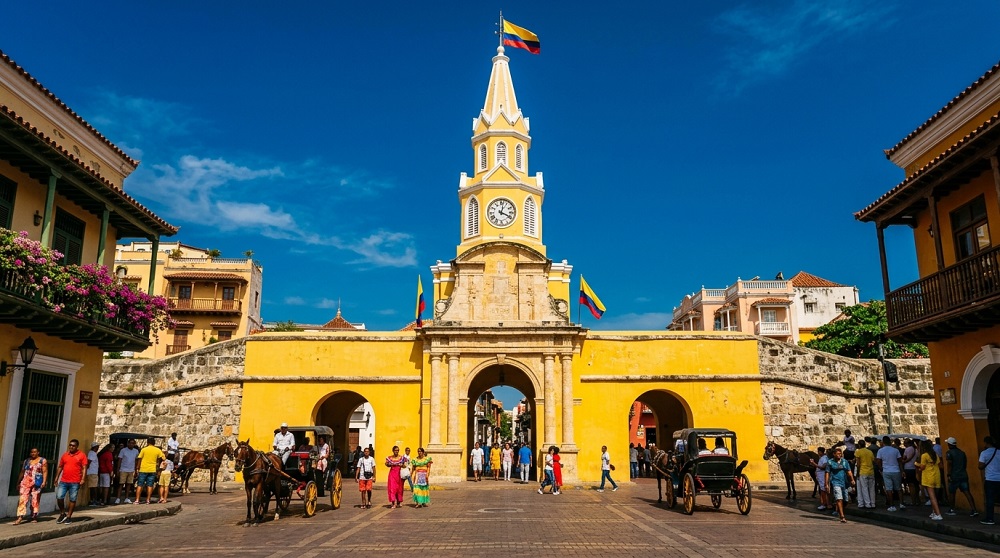
In 1533 Cartagena was established as Spain’s most fortified port in the Americas, through which silver was exported and Africans were imported as slaves. The double history is imprinted in the walls, the churches and the culture of the surrounding area. It’s also very warm, noisy, and one of the most beautiful Caribbean cities.
Table of Contents
The Walled City
Walk the Ramparts
These stone walls were constructed over a period of almost 200 years and were repaired often due to attacks by pirates. The city’s hour is when the heat breaks and the sea and sky turn orange at sunset.
Plazas and Churches
Plaza Santo Domingo has the city’s oldest church and a lying down Botero bronze. Iglesia de San Pedro Claver is named after the Jesuit that served the enslaved who arrived at the port. The dungeons and storerooms that used to be attached to the walls are now occupied by craft shops, known as the Las Bóvedas.
The Inquisition Palace.
A museum in the former tribunal building is a record of the work of the Inquisition in the city. Disquieting and time consuming.
Getsemaní
The old working class quarter just outside the walls, which is today the most interesting neighbourhood in Cartagena. Street art is on the facades, Plaza de la Trinidad is full of food stalls and impromptu acts, and rooms in the historic centre are at a reduced rate.
Beyond the Walls
Castillo San Felipe de Barajas is the biggest Spanish fortress in the Americas (you can walk through the tunnels). The view from the hilltop monastery of La Popa is the best panorama of the peninsula. Mercado Bazurto is a confused, smelly and the place where the city buys its food — be guided on a food tour, not alone.
Beaches and Islands
Bocagrande beaches aren’t pretty, they’re handy. To get clear water, go to the archipelago of coral islands called Islas del Rosario, which is about 1 hour off. The beaches on Barú with a white sand, and with a lot of people are: playa Blanca, arriving early or until late in the day boats depart.
San Basilio de Palenque
A hundred miles on the land is the first free African town in the Americas, established by runaway slaves in the 17th century and still speaking Palenquero, a Spanish-based creole. Drumming, language and Colombian history are discussed during community organised tours. The largest day trip trip from Cartagena.
Eating and Drinking
Try arepa de huevo and carimañolas at a street stand. Sit back, eat ceviche or cazuela de mariscos and sip limonada de coco all the way. Salsa is served in the evenings at Café Havana in the barrio of Getsemaní and the coastal sound champeta is heard everywhere else.
Bright colored skirts are the hallmark of Cartagena’s palenquera women who sell fruit, they will accept payment for photos, so instead of photographing from a distance, agree with the price beforehand.
Practical Tips
Heat and Timing
It is hot and humid throughout the year, with an average temperature of about 30°C, with December being driest and October being the wettest. Schedule sightseeing for mornings and afternoon.
Money
For visitors, Colombia’s most expensive city is Cartagena. The prices within the walls are above the national average, the areas outside the walls are much cheaper, namely Getsemaní.
What ways do you drive to work?How do you travel to work?
The historic centre is pedestrian friendly. Before heading out, negotiate taxi prices and/or use a ride app. Pressure from vendors is ongoing and relatively benign: a stern, respectful and courteous “no thank you” will suffice at beaches and plazas.
The city and one island tour will take 3 days. Four if you throw in Palenque.