

Buenos Aires is a European place and acts like no other. In Paris, facades over the pavement parrillas, dinner begins at ten and on a Tuesday night, a tango hall fills with people who are not dancing for anybody. You need to know this city by itself and its neighbourhoods.
Table of Contents
The Neighbourhoods
The city’s largest barrio and the most popular place to stay is Palermo, which features lush boulevards, architectural design shops and the green spaces of Bosques de Palermo. The town of Recoleta is elegant and solemn. The cobblestones and the antiques trade are in San Telmo. Puerto Madero is smooth and sleek, backed by a riverside nature reserve. In daylight hours, visit the painted houses of Caminito in “La Boca,” and have your phone unplugged!
What to See
Teatro Colón
Opened in 1908 as one of the world’s best acoustically, it is an opera house. There are daily guided tours, but it’s better to go see a performance (with a less expensive ticket, for the higher tier).
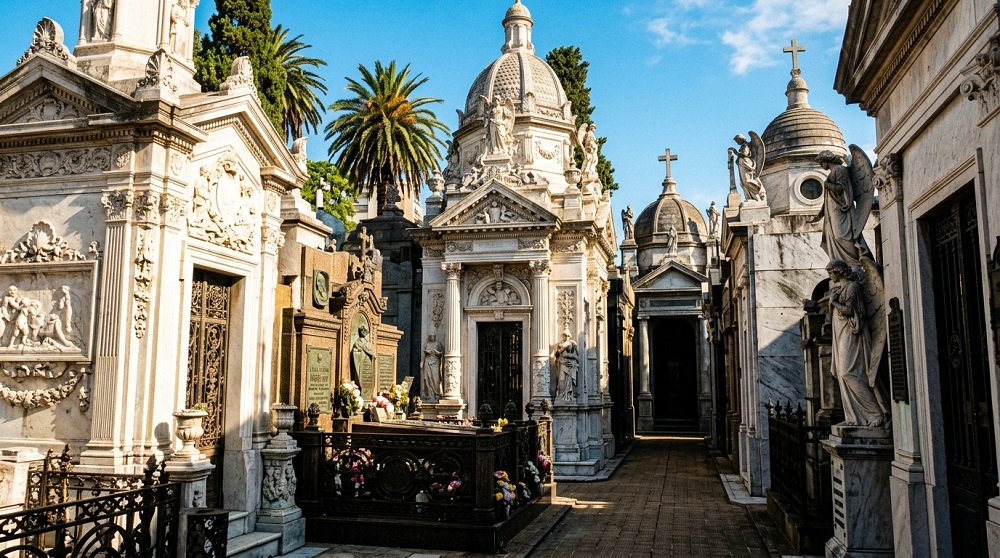
Recoleta Cemetery
A city that has a wall with marble mausoleums, such as Eva Perón’s. Pick up a map from the entrance, (the lanes are really confusing!)
Plaza de Mayo
Surrounded by the pink Casa Rosada, Cabildo and the Metropolitan Cathedral, the political heart of the country. For decades the Mothers of the Plaza de Mayo have come here every Thursday.
Art and Books
The best collection of Latin American art is at MALBA. The Museo Nacional de Bellas Artes has free admission. The bookshop El Ateneo Grand Splendid in a theatre built in 1919 is still decorated with ceiling frescoes and the stage.
Tango, Properly
Dinner and show productions are well prepared and presented. If you want the real deal, head to a milonga, a social dance hall that’s open to people of every age on specific days. Beginners’ classes are typically held before the dancing begins. The Plaza Dorrego in San Telmo is a free outdoor tango on Sundays as well as a street market.
Football
Some of the loudest stadiums in the world are Boca Juniors’ at La Bombonera and River Plate’s at the Monumental. Tickets for people who live here are not sold to those who don’t live here, so book an official hospitality package or stadium tour on a non-match day!
Eating and Drinking
The Parrilla
Cuts of beef, cooked over wood coals. If you want it pink, request it as jugoso; it means well done. Serve with provoleta, chorizo and bottle of Malbec.
Everything Else
The thick, cheesy pizza here is traditional and Güerrín is the establishment. Have milanesas, empanadas by the half dozen, medialunas for breakfast and ice cream that’s as good as anything from Italy. The country’s national beverage is fernet and cola.
Closed-Door Restaurants
Therefore, Puertas cerradas are usually set up from private residences and are scheduled for reservations, frequently with fixed menus. There are a number of good meals in the city that occur this way.
Day Trips
It is an hour train ride north to the Tigre Delta, a complex of waterways and stilt homes. Colonia del Sacramento (Uruguay) is a 1 hour ferry ride across the river. Silverwork and tradition of the gauchos are available in San Antonio de Areco.
Practical Tips
Timing
Lunch will be served from 1-3pm, dinner will be served from 9pm. Make reservations at popular restaurants. The best weather is in spring or autumn; in the January half, the city is half empty as people head to the coast.
Getting Around
Purchase SUBE Card for subte and buses. The city is level, very walkable and the ride-hailing apps are effective.
Money and Safety
There have been a number of changes to payment and exchange policies, please refer to current guidance before arriving. Leave phones in the pocket on the street, especially in the neighbourhoods of La Boca and Retiro.
The minimum is 4 days. A week is better.