

Argentina is the 8th largest country in the world. Ushuaia is a further flight from Buenos Aires than London to Moscow. Ten days here is two regions joined by air – and that’s before you even start the journey!
Table of Contents
The Distance Problem
Every domestic route passes through Buenos Aires, therefore going from one region to another is generally a round trip to Buenos Aires. Long distance bus is a great choice but takes 18-24 hours on the big legs. Take flights within the book to get them at the cheapest price.
A logistical pitfall: domestic flights are made at Aeroparque, in the city, while most are international flights at Ezeiza, an hour’s drive away. Wait a minimum of 3 hours between the two.
This is the classic route that includes both Buenos Aires and Patagonia.This is the classic route to Buenos Aires and Patagonia.
Days 1–3: Buenos Aires
The cemetery of Recoleta (in San Telmo) and the market on Sunday rather than dinner, and a milonga in the evening. Have lunch at a parrilla and go to dinner from 9pm.
Days 4–6: El Calafate
Three and a half hours flight south. Take an all-day tour to the Perito Moreno glacier boardwalks, and take a boat to or an ice trek along the surface.
Days 7–9: El Chaltén
Three hours bus from El Calafate. There are village trails that run from the village, Laguna de los Tres for Fitz Roy, the less extreme Laguna Torre. Two full walk days plus a weather day.
Day 10: Return
Transfer to the bus in El Calafate and take an airplane to Buenos Aires. Leave the capital with a night of building in.
Alternative: Falls, Wine, and City
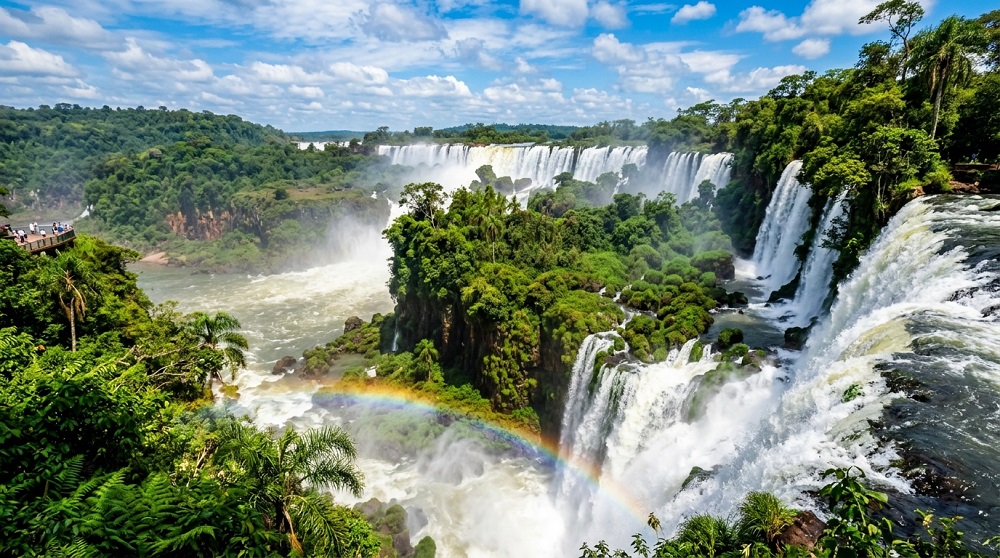
Three days in Buenos Aires, two days at Iguazú Falls, three days in Mendoza and a night in capital once again. Warm, easy walking and suitable for anyone who loves vineyards and subtropical forest rather than glaciers. Iguazú and Mendoza are about a two-hour flight from Buenos Aires.
There is also an alternate, known as the Andean Northwest.Alternatively, the Andean Northwest exists.
Three days in Buenos Aires, then flights to Salta and 6 days of exploring the Quebrada de Humahuaca, the Salinas Grandes salt flats and the town of Cafayate for wine. The cheapest and least travelled of the foreign visitors, it is the best choice.
The route changes with the season.The route is different each season.
Patagonia only operates between November and March and even then, with weather cancellation of boat trips and trail closures. The northwest region is best in spring (April to June) and fall (September to November). January is hot and humid at Iguazú and the park is open all year round. In case your dates are not within the Patagonian window, then you should choose one of the northern routes, not force it.
Costs and Money
Outside of Patagonia, mid-range travel is about $90 to $150 per person per day, and much higher within Patagonia’s remote regions, where the cost of food and lodging is a factor. The cost of internal flights is $80 – $200 per leg.
There have been many changes in currency, card surcharges and refunds of tourist tax over the past few years. Always read the latest information before you leave, not older blog information.
Booking Order
First flights then accommodation in Patagonia: El Chaltén and El Calafate only have a few rooms at the peak of December through February. Guided ice trekking and trips on glaciers should be booked in advance. There’s a time and place for everything, including restaurants and tango.
The Cut to Make
4 flights and roughly 5 useable days on the ground in 10 days of Buenos Aires, Iguazú, Mendoza and Patagonia. Assign one region to another; give those days to the other regions; and save the rest for a second visit.
Two regions, one day of holidays and a night in Buenos Aires before returning home. That’s the route that sticks in my mind.