

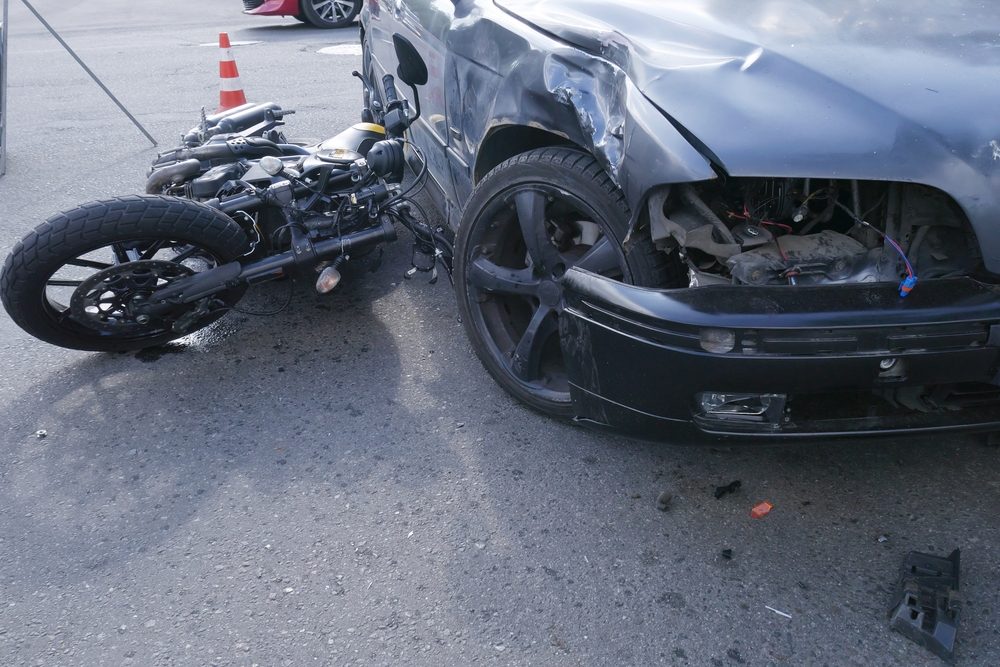
A motorcycle can be clearly visible on the road and still be overlooked by another driver. A car may turn across its path, a vehicle may change lanes without checking its blind spot, or traffic may suddenly slow down. The rider's position on the road can make these crashes harder to understand after the vehicles come to a stop.
Unlike a collision between two cars, a motorcycle crash may involve questions about visibility, road space, and the actions of several drivers. A motorcycle accident lawyer for traffic collisions may examine these details to understand how the crash happened, which actions contributed to it, and what evidence supports each account.
Table of Contents
The Challenge of Understanding How a Motorcycle Crash Happened
A motorcycle takes up less space than a car, which can affect how other drivers notice it in traffic. However, a driver's claim that they did not see a motorcycle does not explain the full cause of a crash. Investigators need to look at where each vehicle was, how fast it was moving, and what each driver did before impact.
The rider may have been traveling straight while another vehicle crossed the lane. A car behind the motorcycle may have followed too closely, or a driver may have moved into the rider's path. Each situation creates a different set of questions, so the location of the damage alone may not tell the whole story.
Traffic Situations That Often Lead to Motorcycle Collisions
1. Left Turns Across a Motorcycle's Path
A driver turning left may focus on approaching cars and fail to notice a motorcycle traveling in the opposite direction. The driver may begin turning before the rider has enough time or space to avoid the vehicle.
Investigators may check the traffic signal, turning position, road layout, and damage to both vehicles. Witness accounts and available camera footage may also help show how the turn happened.
2. Unsafe Lane Changes
A motorcycle may travel beside a car when the driver suddenly moves into the same lane. A quick lane change can leave little room for the rider to slow down or move away safely.
The position of the vehicles before impact matters here. Investigators may review lane markings, vehicle damage, road cameras, and witness statements to understand whether a driver changed lanes without enough space.
3. Rear-End Collisions in Slow Traffic
Motorcycles can also be struck from behind in traffic. A driver who follows too closely may not stop in time after the rider slows down for a signal, traffic backup, or road hazard.
Damage to the rear of the motorcycle may help explain the point of contact, but other details matter too. Investigators may review braking marks, vehicle positions, traffic conditions, and driver statements to understand the sequence of events.
4. Road Hazards and Sudden Evasive Moves
Loose gravel, deep potholes, wet pavement, and objects on the road can create problems for motorcycle riders. A rider may need to slow down or change direction to avoid a hazard. If another vehicle is close by, that movement may lead to a collision.
The investigation may need to consider both the road condition and the actions of nearby drivers. Photos, maintenance records, and reports about the road may help explain whether a hazard played a role.
Why the Rider's Position and Visibility Matter
A motorcycle's smaller size can make it harder for other drivers to judge its distance and speed. However, visibility should not be treated as an automatic explanation for every collision. Investigators need to consider lighting, weather, traffic, vehicle position, and the driver's view of the road.
The rider's lane position also matters. A motorcycle may be near the center of a lane, closer to one side, or moving between traffic lanes where permitted. These details can help explain how the vehicles approached each other. Road markings and photographs may support or challenge the accounts given by those involved.
Evidence That Can Help Explain the Collision
Motorcycle crashes may involve limited physical evidence because the motorcycle can move away from the point of impact or fall after contact. A useful investigation may bring together several types of information:
- Scene photographs: Show vehicle positions, road markings, debris, and visible damage.
- Witness statements: Provide accounts of traffic movement and driver actions.
- Camera footage: May show the moments before impact if a nearby camera recorded the road.
- Vehicle inspections: Help identify damage and possible points of contact.
- Police and medical records: Record reported crash details and injuries.
No single record may answer every question. Comparing different sources can help create a more complete account of the collision.
Understand What Led to the Collision
Motorcycle traffic collisions can involve more than a simple question of which vehicle made contact first. Turning movements, unsafe lane changes, poor visibility, and road hazards may all affect how a crash happens. A motorcycle accident lawyer for traffic collisions may review the available evidence to understand the events and issues involved. A careful review of road conditions, vehicle positions, witness accounts, and official records can help clarify how the collision occurred and which actions may have contributed to it.