

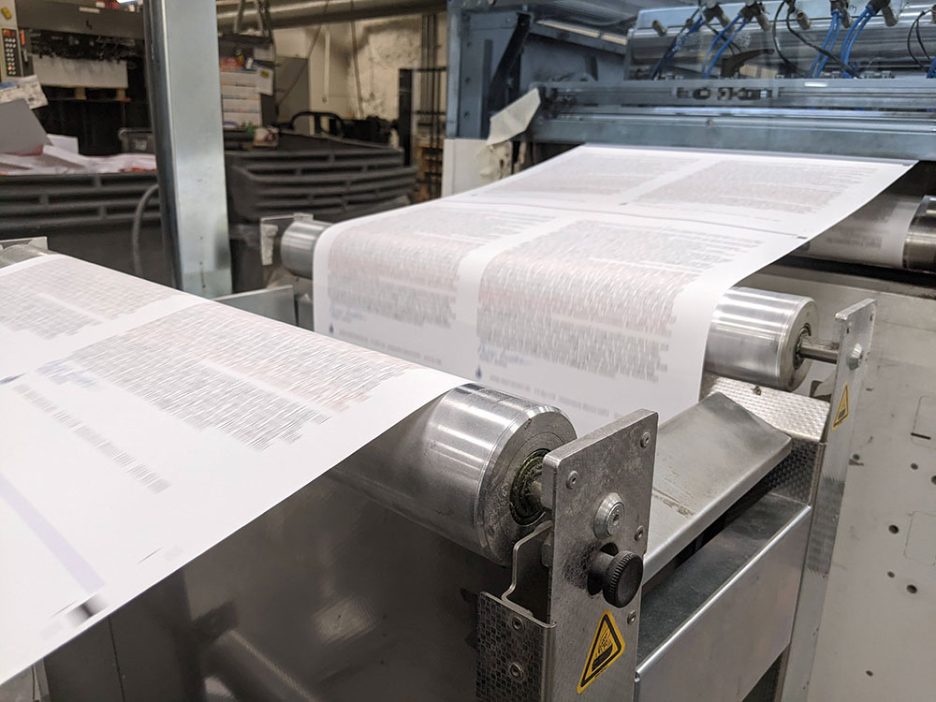
When you require brochures, flyers, catalogs, or other printed materials for your business, you would like to know what will happen to your request when you call a printing firm. At NextPage, it is not simply a matter of ink on paper. Your print choice, finishing choice, artwork, and project needs are all factors in the overall outcome.
You also might be interested to know how the price is set, when you should accept the design, and how long production will take. Knowing what to expect at each stage can help you plan your order and avoid last-minute surprises.
From discussing your project requirements to reviewing proofs and arranging delivery, each step helps move your order toward completion. Let’s look at what you can expect when ordering commercial printing at NextPage.
Table of Contents
1. A Discussion About Your Printing Project
Your order starts with a clear understanding of what you need to print. NextPage provides commercial printing for materials such as brochures, catalogs, flyers, inserts, and other marketing pieces. The type of project you have in mind helps determine which options may suit your needs.
In the first conversation, you would discuss the purpose of your materials, how many copies you need, and the date that you want your materials delivered. A product listing, say, might require a different design and a different paper than a flyer advertising an upcoming event. These details define the scope of the project and assist in leading the subsequent steps.
The order is also determined by your budget and schedule. Early communication of any hard deadlines or particular design specifications can assist the team in factoring them into production planning.
2. Printing Options That Fit Your Project
NextPage offers offset and digital printing services for various production requirements. The correct approach is based on the elements of order quantity, design, budget, and schedule.
Digital printing can be appropriate when the number of copies is smaller, the work is on demand, and personalized copies are required. When it comes to larger runs of the same piece, uniform reproduction of color is important, and uniform color is required, then offset printing is usually the better choice. Comparing the two approaches assists in deciding on an approach that suits your project.
The final result is also influenced by the paper stock, finished size, and color. A sales meeting brochure can require a heavier paper than a plain event handout, whereas a catalog can require a particular binding style.
Finishing options may enhance the outlook and functionality of printed materials, thereby assisting them in complementing marketing campaigns with digital mediums. Folding, laminating, embossing, and die-cutting are available options that can add texture, protection, or a unique shape to the finished work.
3. Quotes, Artwork Review, and Proof Approval
Once the project details are established, you can request a quote. The price is usually determined by the volume of printing, the printing technique, the paper material, the print color, and finishing options. Specifying the work correctly assists the team in estimating the cost of the work.
Check the quote to verify that it includes the requested materials, quantity, and finishing details. Any changes to these specifications may affect the price or production schedule, so discuss revisions before approving the order.
The other significant aspect of the process is the preparation of artwork. Your files must comply with the agreed specifications in terms of dimensions, image quality, layout, and color settings. If you are unsure about file setup, ask the team about its requirements before submitting the design.
Depending on the project, you may receive a print proof to review before production begins. A proof shows how the design and content are expected to appear in print. Check spelling, contact information, images, spacing, colors, and page order before approving it.
Make any necessary corrections before approving the final proof. Careful review helps catch errors before they appear across the full print run.
4. Printing, Finishing, and Quality Checks
After the artwork is approved, the project moves into production according to the agreed schedule. The chosen printing method determines how the materials are produced, while the approved design guides the content and layout.
Printed materials may then go through finishing processes such as cutting, folding, laminating, or binding. For example, a booklet may require binding, while a flyer needs trimming to its final size. The work involved depends on the type of material and the finish selected.
Projects with several designs or versions may require extra coordination to ensure each item contains the correct content. Clear specifications help the production team distinguish between versions and apply the right finishing process to each one.
Before the order is completed, quality checks can identify issues such as incorrect content, uneven trimming, or finishing defects. These checks help ensure the printed materials match the agreed requirements and are ready for their intended use.
5. Delivery or Pickup of Your Finished Order
Once printing and finishing are complete, the materials are ready for the agreed delivery or pickup arrangement. Confirm the expected completion date and available options with NextPage when placing your order. These details matter if the materials are needed for an event, campaign, or product launch.
Delivery planning may also involve deciding where the materials should go and how they will be distributed. If several offices, teams, or event locations need copies, share those requirements early so the fulfillment arrangements can be discussed.
When your order arrives, check the quantity and look for visible damage or printing issues. If something appears incorrect, contact the print provider promptly and share the relevant order details so the issue can be reviewed.
For future projects, keep copies of the final artwork and specifications. These records can make repeat orders easier to organize and help maintain a consistent look across your business materials, supporting customer trust through consistent marketing.
Conclusion
Ordering commercial printing at NextPage involves several stages, from defining your project needs to receiving the finished materials. Understanding the available print methods, reviewing quotes and proofs, and knowing what to expect during production can make the process easier to manage.
Clear specifications and timely approvals help keep the project on track, while careful checks support the quality of the final order. With each stage understood, you can plan your printing project with clearer expectations about the work involved and the decisions you may need to make.