

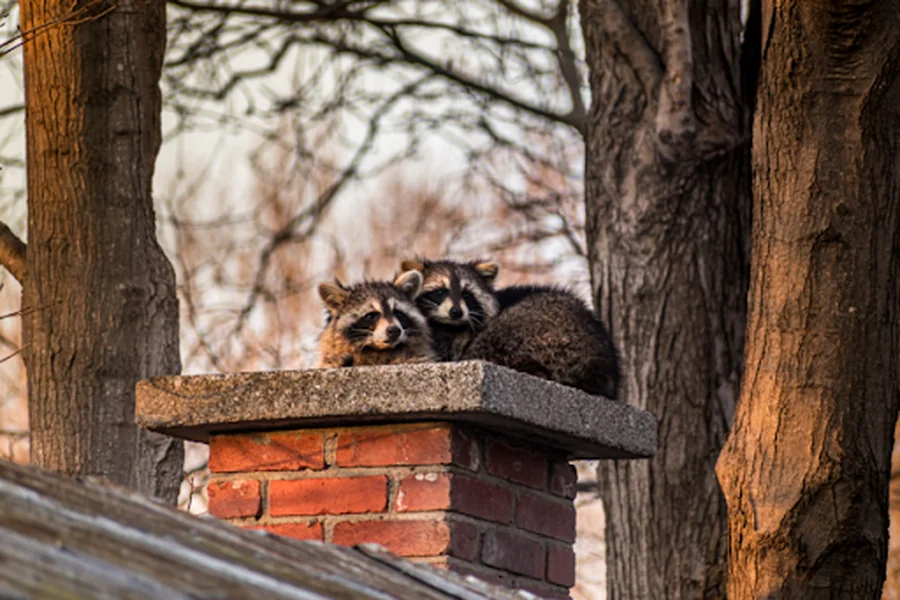
Wildlife problems can become frustrating when the same signs keep appearing after you thought the issue was solved. You may hear movement in the attic, find droppings near your home, or notice fresh damage in an area you already repaired. Simply removing one animal does not always stop another from finding the same opening, shelter, or food source.
Professional wildlife removal takes a wider view of the problem by finding how animals are getting in, removing them safely, and addressing the conditions that allow them to return. It can also include exclusion, repairs, cleanup, and other prevention work that helps protect your property over time. By dealing with the cause instead of only the animal, you can reduce the chance of facing the same problem again.
This article explains how wildlife removal can help prevent recurring animal intrusions.
Table of Contents
1. Identifies The Cause of Repeated Animal Intrusions
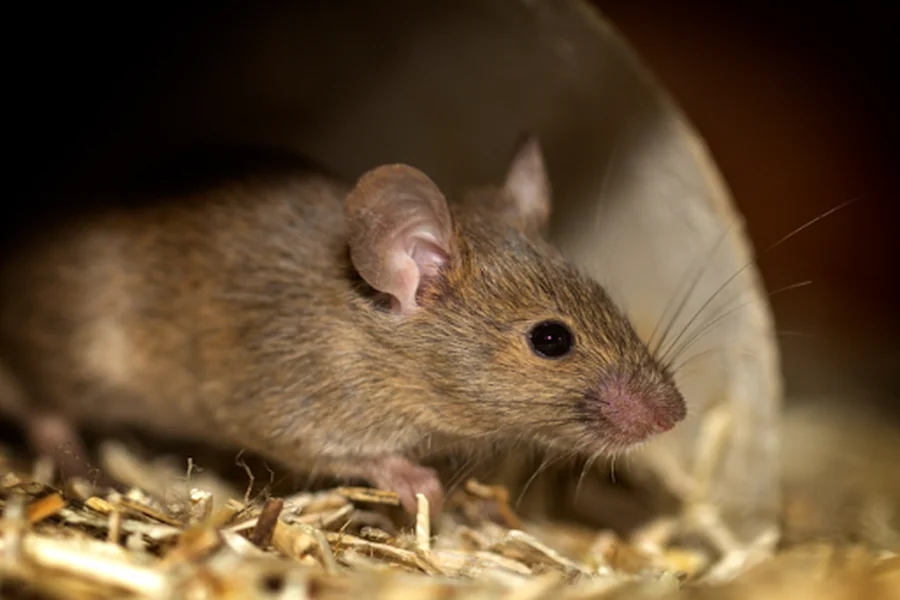
A repeat animal problem usually begins with an easy way in. Loose vents, roof gaps, damaged screens, and other openings can give wildlife access to areas that feel safe. Finding these entry points helps explain why the problem keeps coming back.
For example, San Diego homes can face recurring wildlife problems when animals find shelter in attics, crawl spaces, roofs, or protected areas. Looking at where the animal enters, what it uses for shelter, and what signs it leaves behind can reveal the reason for repeated activity. With that information, you can choose a solution that addresses the actual problem.
For that reason, wildlife removal services of San Diego can inspect the property and look for signs of animal activity. The inspection can help identify entry points, nesting areas, and other conditions that may attract wildlife. Once the cause is clear, you can take steps to reduce the chance of another intrusion.
2. Stops Animals from Reusing the Same Shelter
Wildlife often chooses the same shelter because it already feels safe and convenient. Attics, crawl spaces, sheds, and spaces under decks can offer protection from weather and provide a quiet place to rest or nest. Leaving these areas open after an animal is removed can make them available to another animal.
A proper removal process looks beyond the animal you can see or hear. It can check for other activity and signs such as nests, droppings, tracks, or damaged materials. These details help show whether wildlife is still using the space or could return to it.
After the area is cleared, the next step is to make it less useful as shelter. Repairs, barriers, and exclusion work can close off spaces that animals may otherwise reuse. This helps stop the cycle before another animal settles in the same place.
3. Prevents Re-Entry Through Professional Exclusion
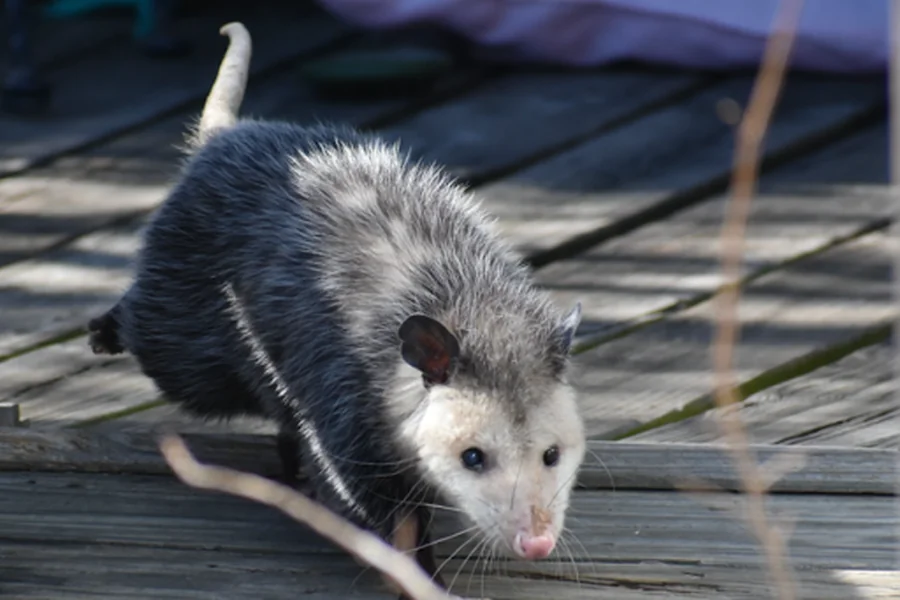
Getting an animal out is only part of solving an intrusion problem. If an opening remains, wildlife may simply use that same route again. Professional exclusion focuses on closing those access points so your property is harder to enter.
Depending on the situation, the work may involve sealing gaps, securing vents, protecting chimneys, or adding strong barriers. One-way doors can also let an animal leave without giving it a clear path back inside. The right method depends on the animal, the location, and the condition of the property.
Once these entry routes are secured, you have a stronger layer of protection. Instead of relying only on trapping or removal, you are also dealing with the path that allowed the animal inside. This makes exclusion an important step toward a longer-lasting solution.
4. Addresses Property Damage That Invites New Intrusions
Wildlife can leave behind more than noise and a little mess. Animals may tear screens, damage vents, disturb insulation, or create openings while looking for food and shelter. Those damaged areas can later become easy entry points for other animals.
Repairing the damage can therefore help prevent another problem. In affected attics or enclosed spaces, cleanup, sanitation, odor treatment, or insulation replacement may also be needed. Restoring these areas removes conditions that can make the space unsafe or easier for wildlife to use.
Once repairs are complete, your property has fewer weak spots for animals to exploit. You also reduce the chance that damage from one intrusion will create an opportunity for the next one. Taking care of both the animal and the damage gives you a more complete way to protect your home.
5. Reduces Future Intrusions with Long-Term Prevention
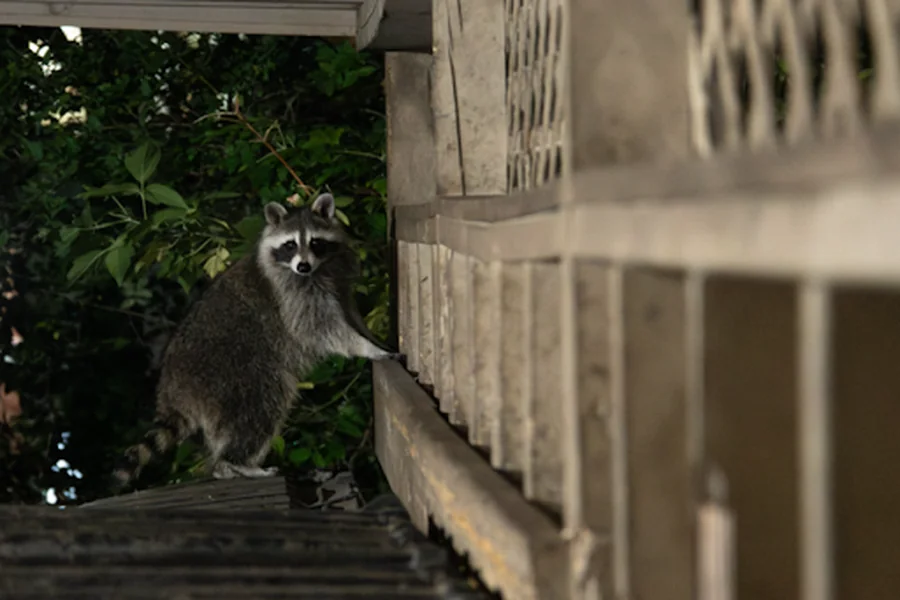
Addressing wildlife issues also requires attention afterwards to prevent new problems. Early signs that wildlife is returning to the property include new sounds, droppings, nesting material, or other unusual animal activity. Early recognition of these signs will provide you with an opportunity to act before it gets more difficult.
Regular monitoring, particularly in areas that have experienced issues from wildlife in the past, can be beneficial. Significant changes in an attic, crawl space, yard, or other area may be indicators of new activity. Keeping track of these changes can help you understand patterns and recognize a problem while it is still small.
Most importantly, taking action at the beginning of a sign can stop it from turning into another big invasion. You can address unusual activity before it leads to more damage, contamination, or repeated noise. This is why continuous awareness is a crucial aspect of long-term protection of your property.
Conclusion
Wildlife removal works best when it looks beyond the immediate animal problem. By understanding what attracts wildlife and how it enters your property, you can make better decisions about removal, repairs, and prevention. That approach can give you more lasting protection and fewer repeat surprises.
You do not have to wait for another scratching sound, damaged vent, or fresh sign of activity before taking action. Addressing weak areas early can help you protect your home and avoid repeated repair work. A thoughtful removal and prevention plan can make your property a much less inviting place for wildlife.