

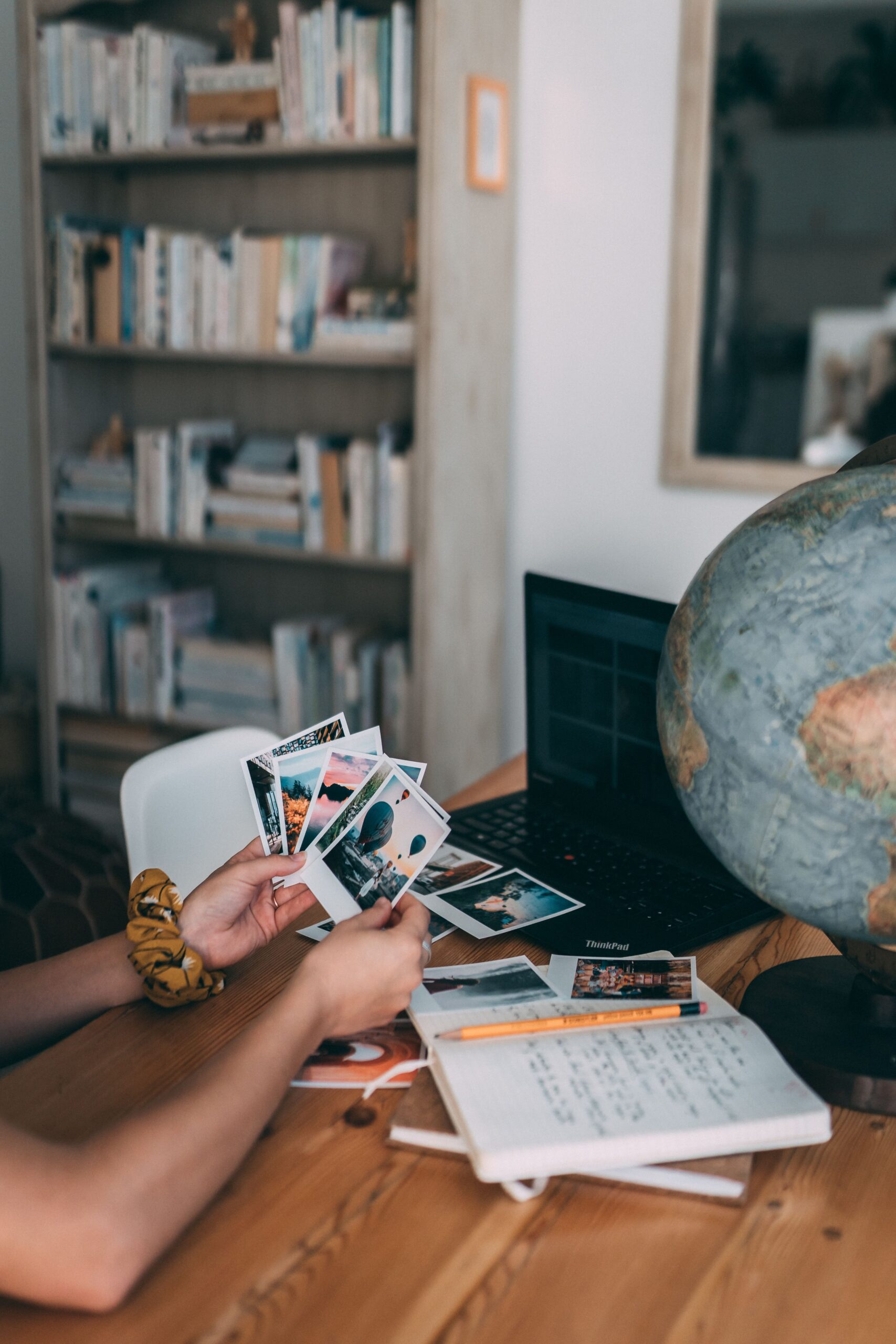
Travel photos are easy to take and just as easy to forget. After a trip, hundreds of images often remain buried on a phone, mixed in with screenshots, receipts, and everyday snapshots. A travel photo book gives those images a more meaningful home.
But printing every photo does not automatically create a keepsake. A travel photo book worth keeping needs a clear story, thoughtful editing, and enough personal detail to bring the journey back to life. The goal is not simply to document where you went. It is to preserve what the experience felt like.
Table of Contents
A Great Travel Photo Book Tells a Story
The most memorable photo books have a sense of movement. They guide the reader from the beginning of a trip to its final moments, or they organize the experience around places, people, or themes.
A chronological structure is often the easiest choice. You might begin with the journey there, continue through each destination, and finish with the return home. This works especially well for road trips, multi-city holidays, and long adventures.
However, chronological order is not the only option. A book about food, architecture, landscapes, or family experiences can be organized by theme. If you want a more editorial format that combines images with substantial written stories, a travel magazine can also suit the material.Whatever structure you choose, each page should help move the story forward. If an image adds no new information, emotion, or visual interest, it may not need to be included.
Careful Photo Selection Makes the Book Stronger
One of the hardest parts of creating a travel photo book is deciding what to leave out. People naturally want to include every attractive landscape and every group photograph. Yet too many similar images can make even an exciting journey feel repetitive.Choose photographs based on what they contribute. A wide city view establishes the setting, while a close-up of a handwritten menu or weathered doorway provides detail. Candid portraits show personality, and imperfect images can sometimes carry more emotional value than technically flawless ones.
A balanced selection may include:
- Wide photographs that introduce a destination
- Portraits and candid moments
- Close-up details, such as food, signs, tickets, or textures
- Images of movement and everyday activity
- Quiet moments that reveal the mood of the trip
Avoid using five photographs when one excellent image can do the job. Giving strong photos more space makes them easier to appreciate and creates a calmer, more polished book.
Personal Details Turn Photos Into Memories
A beautiful photograph can show what a place looked like, but it may not explain why the moment mattered. Short captions provide the missing context.Useful captions can identify a location, date, person, or memorable event. They can also record small details that may fade over time, such as the café you found during a rainstorm or the wrong train that led to an unexpected afternoon.
Write Like You Are Talking to Your Future Self
Captions do not need to sound formal. Simple, specific writing is usually more powerful than a long description.Instead of writing, “A wonderful day in Rome,” mention what made the day wonderful. Perhaps it was the first quiet morning of the trip, a meal shared with an old friend, or the view discovered after climbing a steep street.You can also include short journal entries, local phrases, maps, or scanned paper items.
Boarding passes, museum tickets, postcards, and handwritten notes help establish a sense of time and place. Use them selectively so they support the photographs rather than overwhelm them.
Thoughtful Travel Photo Book Design Improves the Experience
Good design should help the reader focus on the memories. Complicated layouts, decorative backgrounds, and too many typefaces can compete with the images.Consistency creates a more satisfying result. Keep margins, caption styles, and page spacing similar throughout the book. Choose one or two readable fonts and use a restrained color palette inspired by the photographs.
Give Important Images Room to Breathe
Not every page needs several photos. A dramatic landscape, meaningful portrait, or defining moment may deserve a full page or an entire spread.White space is equally valuable. Empty space around an image gives the eye somewhere to rest and signals that the photograph is important. It also prevents the book from feeling like a crowded digital gallery transferred to paper.Visual variety still matters. Alternate between full-page images, simple grids, and pages with a small number of photographs. This changing rhythm keeps the reader interested without making the design feel inconsistent.
Print Quality Determines How Long It Lasts
A travel photo book is a physical object, so materials matter. Low-resolution images, weak binding, and thin paper can reduce both its appearance and its lifespan.
Before ordering, check that the photographs are large enough for the chosen layout. Images downloaded from social media or messaging apps may have been compressed, which can make them look blurry in print. Whenever possible, use the original image files.
Paper choice affects the mood of the book. Matte paper reduces glare and often works well for soft, documentary-style photography. Glossier finishes can make colors appear more vivid, although fingerprints and reflections may be more noticeable.
A strong binding is especially important for books that will be handled often. If you expect the book to become a family keepsake, prioritize durable construction rather than selecting an option based on price alone.
The Best Photo Books Feel Honest
A lasting travel book does not need to present a perfect holiday. Delayed flights, rainy days, tired children, and wrong turns are often part of the real story.
Including a few unplanned or humorous moments makes the book more personal. These photographs may not be suitable for a framed print, but they often become the images people enjoy revisiting most.
Honesty also means reflecting your own experience rather than copying the style of a travel brochure. Famous landmarks can provide context, but personal interactions and ordinary moments make the book uniquely yours.
Create a Travel Photo Book You Will Revisit
A travel photo book becomes worth keeping when it does more than display attractive images. It should tell a coherent story, preserve meaningful details, and feel enjoyable to hold and explore.
Start by choosing one trip and reducing your photographs to a strong, varied selection. Arrange them into a simple narrative, add captions where context matters, and use an uncluttered design that gives your best images space.
Do not wait until every detail feels perfect. Memories become harder to organize as time passes. Begin while the sounds, stories, and small surprises of the journey are still fresh, and create a keepsake that you and others will genuinely want to revisit.