

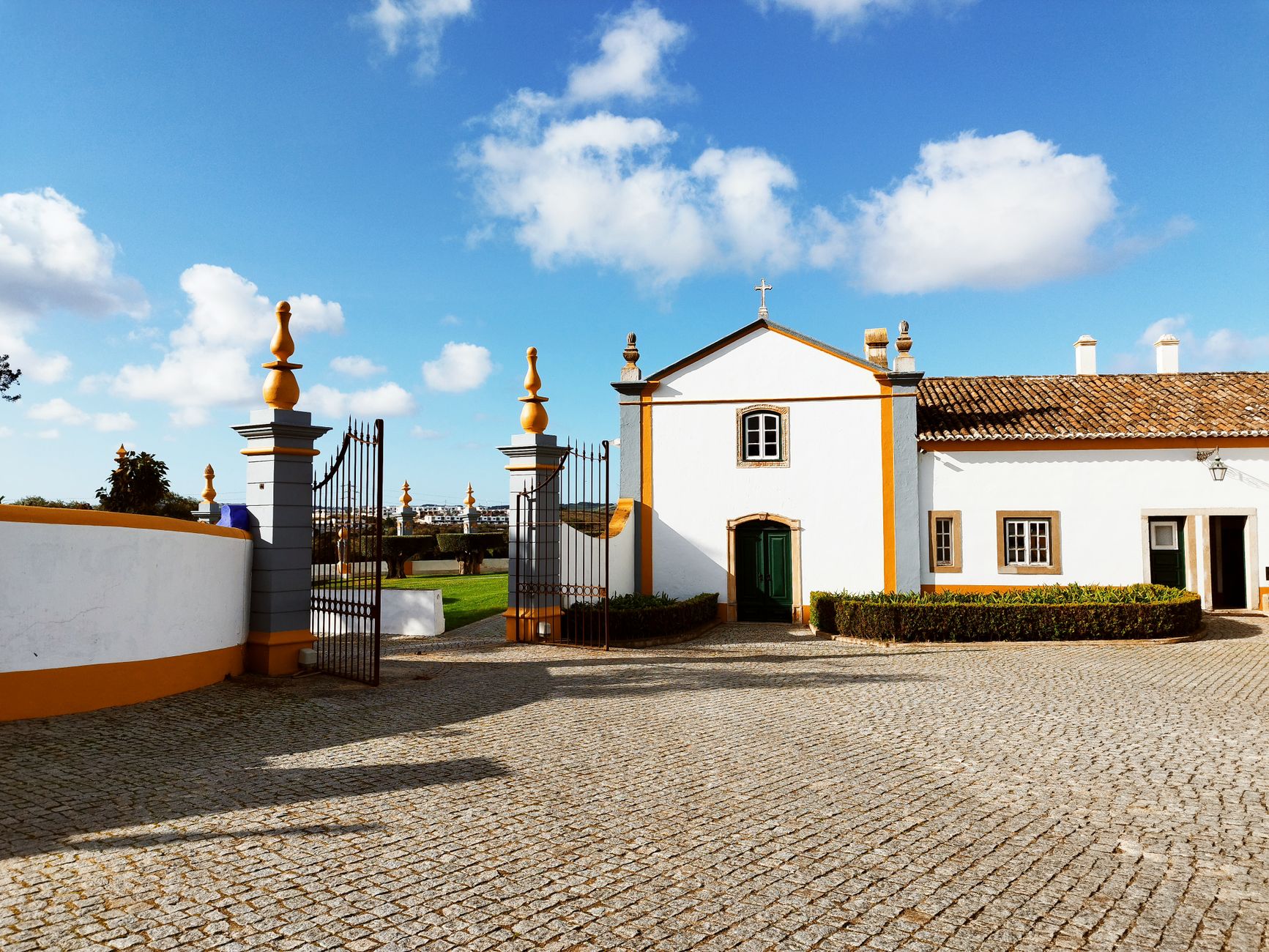
Quinta da Regaleira sits on a hillside just outside central Sintra, and from the road it looks like a single grand estate. Step through the gates, though, and it becomes clear the property is really a puzzle box of gardens, towers, wells, and tunnels, all built in the early 1900s for a wealthy financier who wanted his home to reflect his obsessions with alchemy, Freemasonry, and the occult. Walking through on your own, you can admire the stonework, but you'll likely miss why any of it was built this way. That gap is exactly what makes a guided visit worthwhile.
Table of Contents
A Garden Built on Symbolism
Every path, statue, and archway at Quinta da Regaleira was placed with intention. The estate's original owner, Carvalho Monteiro, worked closely with Italian architect Luigi Manini to encode references to Dante, the Knights Templar, and Portuguese maritime history into the landscape.
Without that background, the gardens read as beautiful but random. With it, a stone bench or a carved symbol becomes part of a larger narrative about spiritual initiation and hidden knowledge. Recognizing the pattern changes how the whole property feels underfoot.
The Initiation Well and Its Hidden Meaning
The most photographed feature on the property is the Initiation Well, a spiral staircase that descends nearly 27 meters underground, ringed by tarot and Masonic imagery. Most visitors know it's striking before they arrive, but far fewer understand what the descent was meant to represent.
The well wasn't built for water. It functioned as a ceremonial space, possibly used for initiation rites tied to Masonic or Rosicrucian practices, with the nine landings on the way down thought to correspond to Dante's nine circles. Someone explaining that structure while standing at the bottom, looking up at the light spiraling through the opening above, adds a weight to the space that a quick photo stop doesn't capture.
Tunnels, Grottoes, and Underground Passages
Beneath the gardens runs a network of tunnels connecting the Initiation Well to other wells, grottoes, and a small lake with a stone bridge. These passages are dark, low-ceilinged in places, and easy to walk through without realizing how they link together.
Knowing which tunnel leads where, and why certain junctions were built with false doors or dead ends, turns the underground network into something closer to a designed experience rather than a maze of damp stone corridors. This is one of the areas where local knowledge makes the biggest practical difference, since some tunnel entrances aren't obvious from the surface paths.
Why Context Changes What You See
A lot of the estate's meaning is subtle by design. Monteiro wanted visitors to feel they were uncovering secrets rather than being handed a map, so the property doesn't explain itself with plaques or detailed signage.
That's part of the charm, but it also means self-guided visitors often walk past details that carry real significance. A well-informed Quinta da Regaleira guided tour fills in those gaps, pointing out symbols on gates, the layout of the chapel, and the reasoning behind features like the Portal of the Guardians, so the visit becomes about understanding rather than just sightseeing.
The Palace and Its Architectural Details
The main palace building blends Roman, Gothic, Renaissance, and Manueline styles, which can look chaotic without context. Carved gargoyles, coats of arms, and astrological motifs cover the exterior, and the interior rooms carry their own layered references to alchemy and mysticism.
A guide can point out which details tie back to the garden's themes and which are purely decorative flourishes typical of the period's revivalist architecture. That distinction matters if you want to understand the estate as a coherent project rather than a collection of ornate rooms.
Practical Tips for Visiting
Quinta da Regaleira draws large crowds, especially between late morning and mid-afternoon, so arriving early or booking a guided slot near opening time helps you move through popular spots like the Initiation Well before lines build up. The site involves a fair amount of walking on uneven stone paths and stairs, so comfortable shoes matter more here than at most historic sites.
Plan for at least two hours if visiting independently, or slightly less with a guide who can prioritize the most significant areas first. Photography is allowed throughout, though the underground tunnels are dim enough that a phone flashlight comes in handy.
Getting the Most From the Visit
Quinta da Regaleira rewards curiosity, but its layered symbolism isn't something most visitors can piece together on the spot. Going in with even a basic understanding of the well's meaning, the garden's references, and the palace's architectural mix turns a scenic stroll into a much richer experience. Whether that context comes from prior reading or a guide walking beside you, the goal is the same: leaving with a sense of what the place was actually built to say, not just what it looked like.