

Table of Contents
What Are Sound-Absorbing Wood Wall Panels?
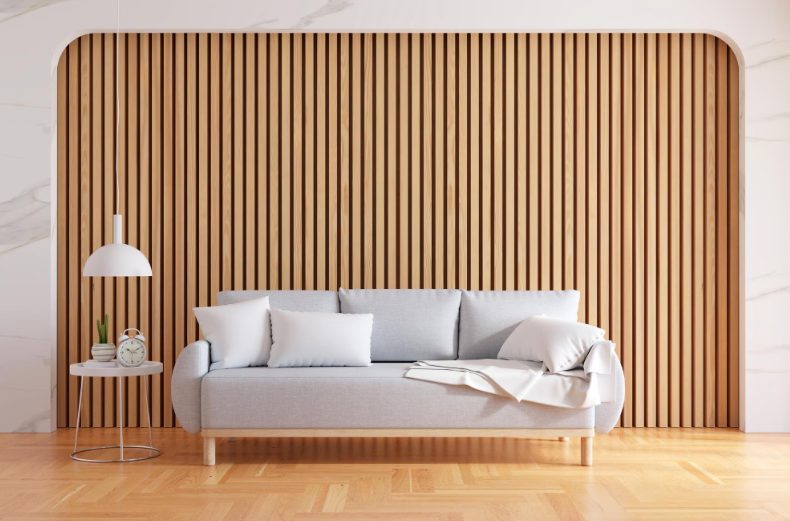
Sound-absorbing wood wall panels are wall coverings designed to help control unwanted sound inside a room. They combine the appearance of wood with materials that can absorb some of the sound that would otherwise bounce around hard surfaces. Choosing sound absorbing wood wall panels can provide a practical way to improve the acoustic environment while maintaining a warm and natural interior aesthetic.
In rooms with bare walls, floors, ceilings, glass, and other solid surfaces, sound can reflect easily. This may cause echoes, make conversations harder to follow, or make music and other sounds feel harsh. Adding acoustic materials to the room can help manage these reflections.
Modern sound-absorbing wood wall panels can be used in many types of interior spaces. They can work well in living areas, home offices, meeting rooms, studios, entertainment rooms, restaurants, reception areas, and other places where controlling sound is useful.
These panels are not only about reducing noise. They can also add texture and character to a room while helping create a more comfortable acoustic environment.
The Benefits of Wood Wall Panels
One of the main advantages of acoustic wood wall panels is that they can combine practical acoustic treatment with an attractive wall finish.
Traditional acoustic products can sometimes have a purely functional appearance. Wood panels offer another option for people who want acoustic improvements without giving up a carefully planned interior design.
The natural look of wood can make a space feel warmer and more comfortable. Depending on the finish and design, the panels can suit modern, traditional, minimalist, or commercial interiors.
They can also cover part of a wall rather than the entire surface. This gives designers flexibility when deciding how much acoustic treatment a room needs.
Creating a More Comfortable Home Office
Home offices often contain several hard surfaces that reflect sound. Desks, monitors, windows, flooring, and walls can all contribute to a room with noticeable reflections.
A sound-absorbing wall treatment can help reduce some of these reflections.
This can be useful during video meetings because excessive room reflections can affect how speech sounds. A more controlled acoustic environment may make conversations feel clearer and more comfortable.
The panels can also improve the appearance of a home office. Instead of leaving an empty wall behind a desk, wood acoustic panels can create a finished feature that serves a practical purpose.
Improving Entertainment Rooms
Entertainment rooms can also benefit from acoustic treatment.
Televisions, speakers, gaming systems, and other equipment can produce a large amount of sound. If the room has many hard surfaces, those sounds may reflect and create an uncomfortable listening environment.
Wood acoustic panels can help manage some of these reflections.
They can be placed strategically on suitable walls to help control the sound produced inside the room. The result can be a space that feels more comfortable for watching films, listening to music, playing games, or simply spending time with family and friends.
The panels should still be considered part of a wider room design rather than a replacement for properly positioned speakers or other acoustic treatments.
Using Panels in Workplaces
Open offices and meeting rooms can present acoustic challenges.
In an open workplace, conversations, phone calls, equipment, and movement can create background noise. Sound can travel across large areas and reflect from walls, ceilings, windows, and other surfaces.
Meeting rooms can also become uncomfortable when speech continues to bounce around the space.
Acoustic wood panels can be incorporated into office interiors to help manage reflected sound. They can be used as feature walls, partial wall treatments, or part of a wider acoustic design.
Their appearance also makes them suitable for workplaces where the acoustic solution needs to fit the overall interior.
Wood Panels for Hospitality and Social Spaces
Restaurants, cafés, reception areas, lounges, and similar spaces can become noisy when many people are speaking at the same time.
Hard floors, tables, walls, and ceilings can allow sound to reflect throughout the room. As more people arrive, the overall noise level can become increasingly noticeable.
Acoustic wall panels can help absorb some reflected sound.
The visual appearance of wood can also work well in social spaces because it adds texture without making the acoustic treatment look out of place.
The right design can therefore contribute to both the acoustic and visual quality of the interior.
Where Should Acoustic Panels Be Installed?
Panel placement can influence how well an acoustic treatment works.
Wall panels can be positioned in areas where sound reflections are particularly noticeable. In some rooms, treating one or more large wall surfaces may be useful. In others, smaller sections may provide the desired balance.
Furniture placement should also be considered.
Large sofas, curtains, carpets, bookshelves, and other soft or irregular surfaces can already absorb or scatter some sound. A room with plenty of these features may need a different acoustic approach from a room with mostly hard surfaces.
Planning the layout before installation can help avoid unnecessary materials and ensure that the panels contribute to the room's overall design.
Combining Wood Panels With Other Acoustic Materials
Wood wall panels do not have to be used alone.
A well-designed room may use several types of acoustic treatment. Wall panels can be combined with carpets, curtains, upholstered furniture, acoustic ceiling products, or other suitable materials.
Each material can address different areas of the room.
For example, a carpet can help reduce reflections from the floor, while wall panels can address reflections from vertical surfaces.
Using different treatments can create a more balanced result than relying on one type of product throughout the entire room.
Maintaining Wood Acoustic Panels
Wood wall panels are generally straightforward to maintain, but regular care can help keep them looking good.
Dust can collect on horizontal surfaces and in the gaps between slats. Gentle cleaning can help prevent this buildup.
Harsh cleaning products should not be used unless they are specifically recommended for the particular finish.
It is also important to consider moisture. Wood products can respond to changes in humidity, so the panels should be used in environments suitable for the material and installed according to the manufacturer's recommendations.
Making Acoustic Treatment Part of the Interior Design
Acoustic treatment does not have to look separate from the rest of an interior.
Wood wall panels can be incorporated into feature walls, workspaces, entertainment areas, reception spaces, and other parts of a building.
This makes it possible to approach acoustics as part of the overall design rather than something that is added at the last stage.
The panel finish can be selected to complement existing materials, while the layout can be planned around furniture, lighting, doors, windows, and other features.
A thoughtful approach can make the acoustic treatment feel like a natural part of the room.
Final Thoughts
Sound-absorbing wood wall panels offer a practical way to combine acoustic treatment with a wood-based interior finish.
They can help reduce unwanted reflections and make rooms more comfortable for conversations, meetings, entertainment, work, and everyday activities.
The key is to understand what the panels can and cannot do. They are primarily designed to help manage sound within a room rather than completely block sound from passing between spaces.
Choosing the right design, placing the panels carefully, and following the correct installation method can all contribute to a better result.
For people looking for a wall treatment that balances appearance and acoustic function, sound-absorbing wood wall panels can be a useful option to consider.
1 thought on “Sound-Absorbing Wood Wall Panels: A Simple Guide to Better Room Acoustics”
Comments are closed.