
Most people know Panama City for one thing: the famous canal. Ships from all over the world pass through it every day, and many visitors come only to watch them. But the city offers much more than giant ships and huge locks. A short drive from the canal, travelers find old streets full of history and a bright, modern museum that tells the story of nature in a fun way.
Casco Viejo and the Biomuseo show two very different sides of Panama. One looks back hundreds of years, and the other looks back millions of years. Together, they make a perfect day out in the city.
Table of Contents
Starting With the Canal
Few travel days feel as unusual as sailing through the Panama Canal, when the ship is lifted 85 feet in three locks to Gatun Lake. Many cruise passengers and travelers begin their Panama trip with this amazing experience. After the excitement of the locks, it makes sense to spend some time on land and see the city itself.
Panama City sits right at the Pacific end of the canal, so visitors can easily reach the old town and the museum in one afternoon. The canal opens the door to Panama, but the city holds many of its best stories.
A Short History of Casco Viejo
Casco Viejo means "Old Quarter" in Spanish. Its story begins in 1671, when the pirate Henry Morgan attacked the first Panama City and left it in ruins. Two years later, in 1673, the Spanish built a new city a few miles away on a small piece of land by the sea.
They surrounded it with strong walls to keep pirates out. Over time, the city grew beyond those walls, and the old area slowly lost its shine. In recent decades, people have restored many of the old buildings, and UNESCO now lists the area as a World Heritage Site.
Walking the Old Streets
The best way to see Casco Viejo is on foot. The streets are narrow, and the buildings stand close together. Many houses have bright walls in yellow, blue, and pink, with iron balconies full of flowers. Some buildings still show cracks and old stone, while others look brand new after careful repairs.
This mix of old and new gives the area a special charm. Street sellers offer handmade crafts, and Guna women display their colorful molas, a type of hand-sewn cloth art. Visitors can stop for photos at almost any moment, because nearly every corner looks like a postcard.
Churches and Plazas Worth a Visit
Casco Viejo has several plazas, and each one has its own feel. Plaza de la Independencia sits at the heart of the old town, and the large Metropolitan Cathedral stands on one side with its tall white towers. A short walk away, the Church of San José holds the famous Golden Altar. Local stories say that people once painted it with mud to hide it from Henry Morgan, and the trick saved it.
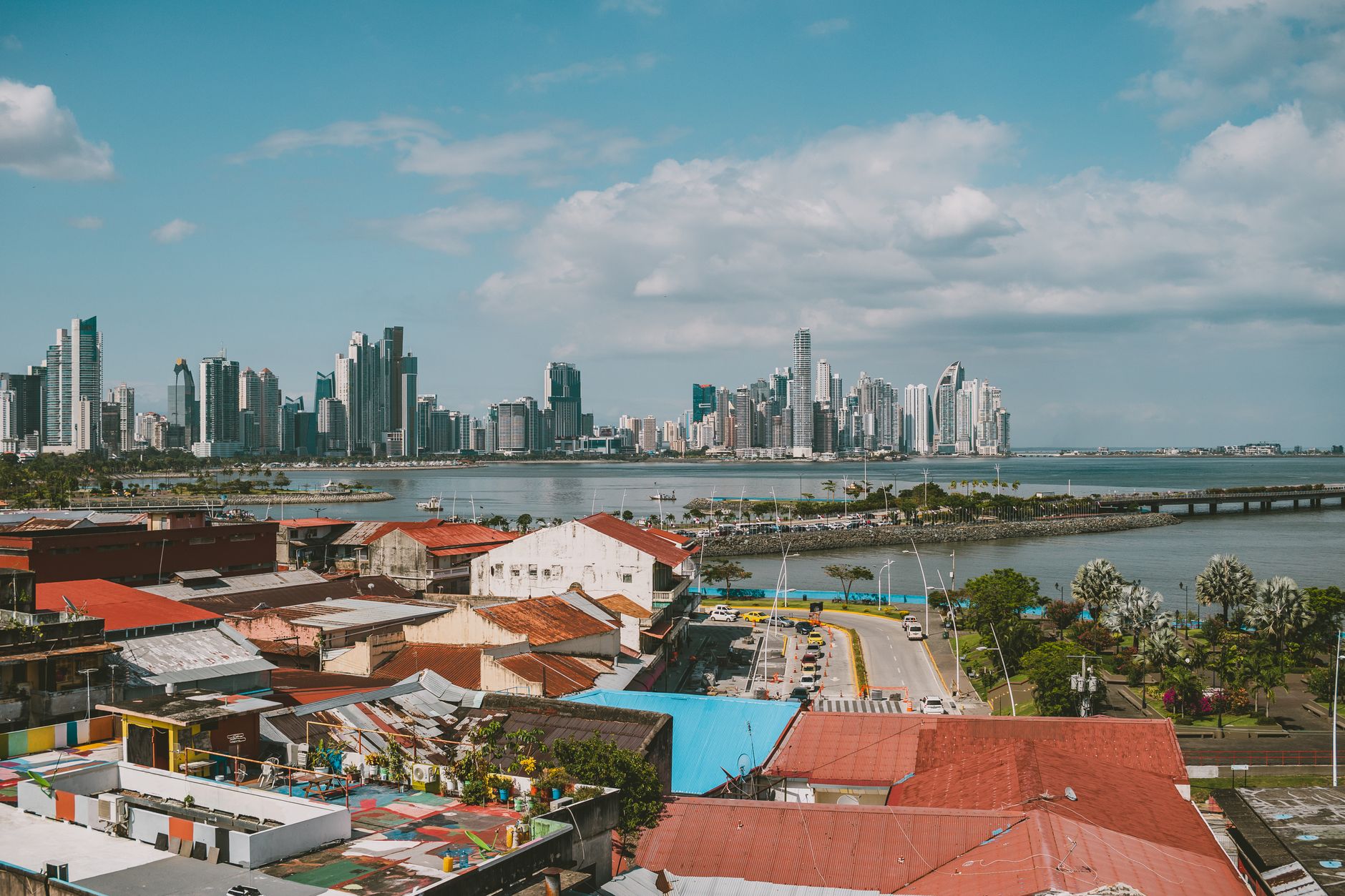
At the edge of the district, Plaza de Francia honors the French workers who first tried to build the canal. From the nearby sea wall walkway, visitors enjoy wide views of the bay and the modern skyline.
Food, Coffee, and Evenings in the Old Town
Casco Viejo comes alive when the sun goes down. Small cafes serve fresh Panamanian coffee, and Geisha coffee from the Boquete highlands has become famous around the world. Restaurants offer local dishes like ceviche, fried plantains, and sancocho, a warm chicken soup that many locals love.
Rooftop bars give guests a great view of the skyline as the city lights turn on. Music often fills the plazas at night, and the cool breeze from the sea makes evening walks very pleasant. Travelers who want to feel the local spirit should stay in the area until after dark.
The Road to the Amador Causeway
After exploring the old town, visitors can take a short taxi ride to the Amador Causeway. This long road connects the mainland to four small islands. Workers built it with rock that they dug out while making the canal. Today, the causeway offers a wide path for walking, running, and biking.
People rent bikes, enjoy ice cream, and watch big ships wait for their turn to enter the canal. The Biomuseo stands near the start of this road, so it makes an easy next stop on the same day.
The Biomuseo: A Building Full of Color
Even from far away, the Biomuseo catches the eye. Its roof looks like a pile of bright shapes in red, yellow, green, and blue. The famous architect Frank Gehry designed it, and it became his first building in Latin America. Gehry has close family ties to Panama, since his wife comes from the country.
The museum opened in 2014, and it quickly became one of the most photographed places in the city. Some people love the bold design, and others find it strange, but almost everyone agrees that nothing else in Panama looks quite like it.
What Visitors Learn Inside
The Biomuseo tells one big story: how a small strip of land changed the whole planet. About three million years ago, the Isthmus of Panama rose from the sea and joined North and South America. This new land bridge let animals move between the two continents, and it also changed ocean currents and the world's weather.
The museum explains these ideas with large screens, models, and simple displays. One gallery surrounds visitors with images and sounds of nature, while another shows giant animals that once walked across the land. Children and adults both enjoy the exhibits, because the museum keeps everything easy to understand.
Tips for Planning the Day
A day that covers both Casco Viejo and the Biomuseo needs a little planning. Morning works best for walking the old streets, since the afternoon heat can feel strong. Comfortable shoes, a hat, sunscreen, and a bottle of water make the walk much easier. Visitors should check the museum's opening days before they go, because it may close on certain days of the week.
Taxis and ride apps make travel between the two places quick and cheap. Many travelers also hire a local guide in Casco Viejo, and a good guide brings the old buildings and their stories to life.
Conclusion
The Panama Canal deserves its fame, but Panama City offers much more than a famous waterway. Casco Viejo invites visitors to walk through centuries of history, from pirate attacks to careful rebuilding. The Biomuseo takes the story even further back and shows how this small piece of land shaped life across the planet.
Together, these two places give travelers a richer picture of Panama and its people. Anyone who visits the canal should save time for the city beside it. The old streets, the colorful museum, and the warm local welcome will stay in the memory long after the trip ends.
1 thought on “Panama City Beyond the Canal: Casco Viejo and the Biomuseo”
Comments are closed.