

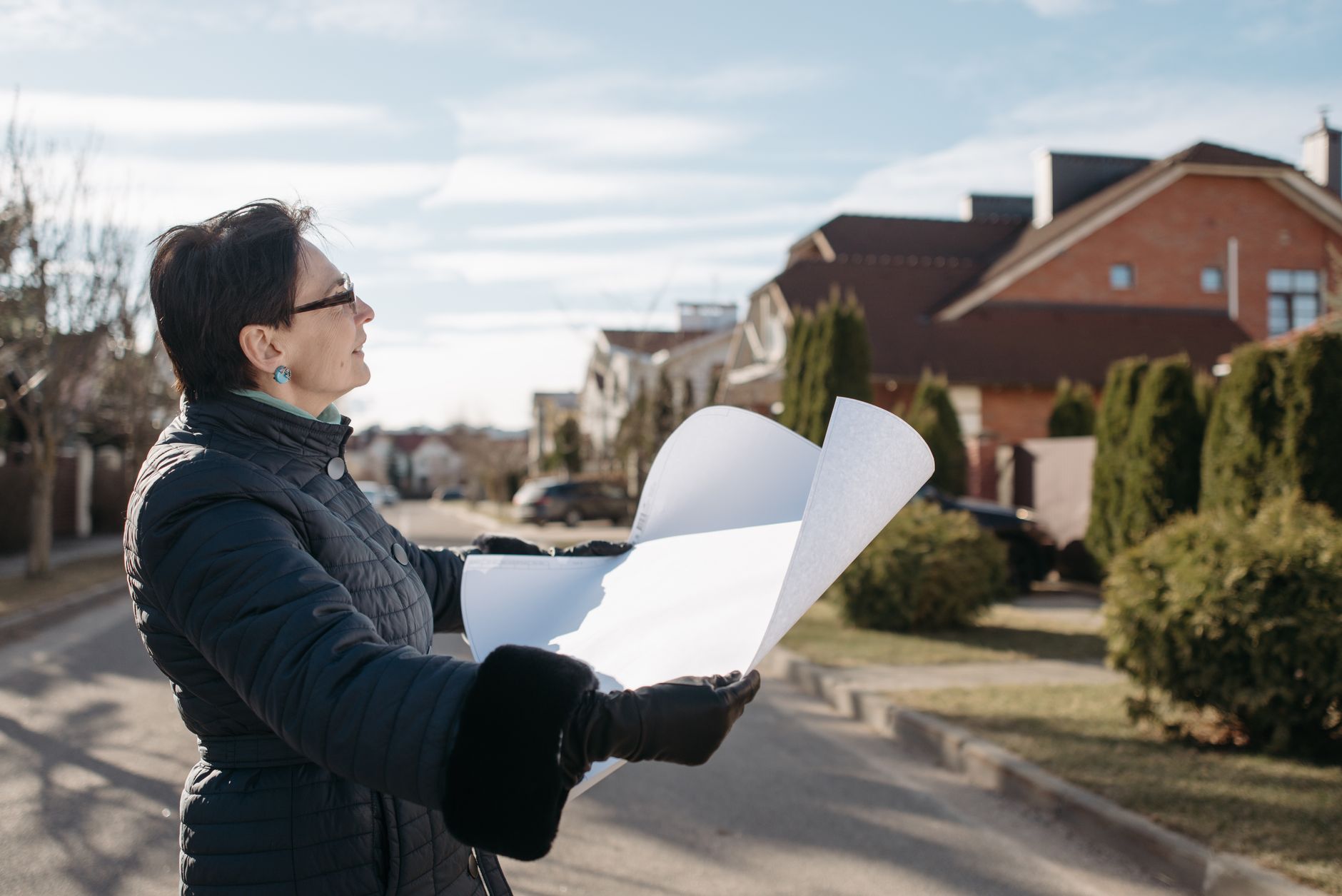
An apartment can look perfect online, but the neighborhood around it will shape much of your everyday life. A beautiful kitchen matters less if the commute is exhausting, the nearest grocery store is inconvenient, or the street outside your bedroom is louder than you expected.
That is why choosing where to live requires more than comparing floor plans and rent. You need to understand how the area functions during a normal week, what it costs to live there, and whether it supports the routines that matter to you.
The best way to evaluate a neighborhood is to combine online research with firsthand visits. Look beyond its reputation and test what living there would actually feel like.
Table of Contents
Define What You Need From Your Neighborhood
Before researching specific areas, identify the things that would make daily life easier or harder.
A renter who commutes five days a week may prioritize transit access. Someone who works remotely may care more about quiet surroundings, nearby cafés, and places to walk during breaks. Families may need to consider childcare, schools, parks, or access to healthcare.
Separate your requirements from preferences. A short commute might be essential, while being close to a particular restaurant district is simply a bonus.
This helps prevent an attractive neighborhood from distracting you from practical needs. It also makes comparisons more useful when two areas offer very different advantages.
Test the Commute at the Times You Will Travel
A neighborhood's location on a map does not always reflect how convenient it is.
Check the actual route to work, school, or other destinations you visit regularly. Include walking time, transit transfers, parking, traffic, and the time needed to reach your final destination.
If possible, make the trip during your usual commuting hours.
A 20-minute drive on a Sunday afternoon may take much longer during weekday traffic. Similarly, a transit station that appears close may require an inconvenient walk or have limited service at certain times.
For remote workers, consider how often you still need to travel for meetings, errands, or social activities. A longer commute may be acceptable if it happens only occasionally.
Visit at Different Times of Day
A neighborhood can feel completely different in the morning, afternoon, and evening.
Visit during a weekday and, if possible, on a weekend. Pay attention to traffic, noise, pedestrian activity, parking availability, and how busy nearby businesses become.
A street that seems peaceful during a midday apartment tour may have heavy commuter traffic in the morning. An area with lively restaurants may be enjoyable in the evening but less appealing if you prefer quiet nights.
Walk around rather than viewing everything from a car. Notice the condition of sidewalks, street lighting, crossings, and how comfortable the routes feel for your usual activities.
One visit cannot reveal everything, but seeing the area under different conditions gives you a more balanced impression.
Check Access to Everyday Essentials
A neighborhood does not need to have everything within walking distance, but the places you use most should be reasonably accessible.
Consider grocery stores, pharmacies, healthcare providers, banks, parks, and other routine destinations. If you have children or pets, include the services and spaces they need as well.
Think about frequency. A grocery store you visit twice a week may matter more than a museum you visit twice a year.
For example, someone considering Barcroft luxury apartments may want to compare the practical access offered by different Arlington-area locations, including daily errands, transportation, and the destinations they expect to visit most often.
The important question is not how many amenities appear on a neighborhood map. It is whether the area makes your own routine more convenient.
Research Safety Using More Than Reputation
Neighborhood safety is an important consideration, but broad labels such as “safe” or “unsafe” rarely tell the whole story.
Look for current information from local government or police departments, including publicly available crime data where provided. Pay attention to the type of incidents, their locations, and whether the information is recent.
Avoid relying entirely on social media comments or a single online review. Personal experiences can be useful, but they may not represent the entire neighborhood.
During visits, observe lighting, visibility, pedestrian routes, and how comfortable you feel accessing the building at the times you expect to come and go.
No neighborhood can guarantee safety. The goal is to make an informed decision using several sources rather than assumptions or stereotypes.
Understand the Full Cost of Living There
Rent is only one part of the financial picture.
A neighborhood farther from work may offer a larger apartment for less money, but transportation costs can reduce the savings. A more central location may have higher rent while allowing you to spend less on parking, fuel, or transit.
Estimate your total monthly expenses for each area.
Include rent, utilities, parking, transportation, and any recurring building fees. Consider whether you would need a car and how often you would use paid transportation.
The Consumer Financial Protection Bureau's monthly household budget worksheet can help organize these expenses and compare how different housing choices fit your finances.
Use realistic assumptions. Living near transit does not automatically mean you can eliminate a car, and a lower-rent neighborhood does not necessarily cost less overall.
Look at Housing Quality and Building Management
The neighborhood may be appealing, but the building itself still needs to meet your needs.
Compare apartment layouts, storage, natural light, noise insulation, maintenance practices, and the condition of shared spaces. Ask about package delivery, parking, laundry, and any amenities you expect to use.
If possible, tour the actual unit rather than relying only on a model apartment.
Pay attention to the building's surroundings as well. A unit facing a busy road may have a different noise level from one facing a courtyard, even within the same property.
Ask how maintenance requests are handled and review the lease terms carefully. A convenient location will not compensate for a home that is difficult to maintain or uncomfortable to live in.
Consider Noise, Air Quality, and the Physical Environment
Environmental conditions can affect everyday comfort.
Look for nearby highways, major roads, construction sites, industrial facilities, or other sources of noise and activity. Consider whether the apartment faces a busy street and whether windows can be opened comfortably.
If air quality is a particular concern, review available local environmental information rather than judging solely by appearance.
Also consider green space, shade, and opportunities for outdoor activity. Access to a park or a pleasant walking route may be especially valuable if you spend much of your day indoors.
These factors are easy to overlook during a short tour but can become important once you live in the area.
Investigate Future Development and Changes
A neighborhood that works well today may change during your lease.
Look for major construction projects, roadwork, new developments, or planned transportation changes that could affect traffic, noise, or access.
Local government planning and development pages can provide information about proposed projects, although plans and timelines may change.
Ask the leasing office about known construction near the property, but verify important details independently when possible.
Future development is not automatically negative. New shops, transit improvements, or public spaces may make an area more convenient. The key is understanding what changes are reasonably expected and how they might affect your daily life.
Talk to People Who Know the Area
Online research is useful, but local perspectives can reveal details that are difficult to find elsewhere.
If you have the opportunity, speak with current residents, nearby business owners, or people who regularly spend time in the neighborhood.
Ask practical questions rather than broad ones.
How difficult is parking in the evening? Is the area noisy on weekends? Are grocery stores convenient? How reliable is the commute? Are there seasonal events that affect traffic or access?
Treat individual opinions as one source of information, not definitive proof. Different people may experience the same neighborhood very differently depending on their routines and preferences.
Compare Neighborhoods With a Consistent Scorecard
When several areas seem appealing, use the same criteria to evaluate each one.
Choose the factors that matter most to you, such as commute, total cost, access to essentials, noise, housing quality, and neighborhood atmosphere.
A simple comparison might look like this:
|
Factor |
Neighborhood A |
Neighborhood B |
|
Commute |
Shorter transit trip |
Longer drive |
|
Housing |
Smaller apartment |
More space |
|
Daily errands |
Mostly walkable |
Car usually needed |
|
Monthly cost |
Higher rent, lower transport |
Lower rent, higher transport |
|
Noise |
More evening activity |
Quieter residential streets |
|
Outdoor space |
Nearby urban parks |
Larger parks farther away |
The table is illustrative. Your actual comparison should reflect the neighborhoods and apartments you are considering.
Give more weight to your non-negotiable needs. A neighborhood that scores well on restaurants and entertainment may still be the wrong choice if the commute or housing cost does not work for you.
FAQs
How many times should I visit a neighborhood before moving?
If possible, visit at least twice under different conditions, such as a weekday commute and a weekend or evening. More visits may be useful if you are unfamiliar with the city or have concerns about noise, parking, or transportation.
How can I research a neighborhood if I am moving from another city?
Use online maps, transit schedules, local government resources, and current neighborhood information to create a shortlist. Virtual tours and conversations with residents can help, but an in-person visit is preferable before signing a lease when feasible.
What should I look for when walking around a potential neighborhood?
Pay attention to sidewalks, crossings, lighting, traffic, noise, nearby businesses, public spaces, and the routes you would use regularly. Consider how comfortable and convenient the area feels at different times rather than judging only its appearance.
Is a better neighborhood worth paying higher rent?
It can be, especially if it reduces commuting time, transportation expenses, or other daily inconveniences. Compare the total monthly cost and the benefits you will actually use. A higher rent is only worthwhile if it fits your budget and improves your quality of life in meaningful ways.
A neighborhood should be evaluated through the life you expect to live there, not just its reputation or the appeal of a particular apartment.
Research the practical details, visit at different times, and compare the full cost of each option. The more you understand your daily routine in a potential neighborhood, the easier it becomes to choose a home that feels right long after moving day.