

Twenty years ago, travelling meant paper tickets, printed maps, traveller’s cheques, and a phone call home from a hotel lobby. The practical friction was enormous, and so was the risk of getting genuinely stuck.
Most of that has quietly disappeared. Here’s what changed, and what the trade-offs are.
Table of Contents
Navigation Without Getting Lost
Offline maps removed the single most common travel problem. You can now find your way through an unfamiliar city with no signal, no language, and no local knowledge.
Real-time transit data does the same for public transport — knowing when the next bus actually arrives, not when it’s scheduled to.
The safety benefit is underrated. Not looking obviously lost, and not wandering into areas you didn’t intend to reach, prevents a meaningful amount of trouble.
Communication and Translation
Staying Connected
eSIMs and affordable roaming mean arriving connected rather than hunting for a SIM shop. Messaging apps have made contacting home effectively free.
That matters most in emergencies — the ability to reach a family member, a bank, or an embassy immediately changes the severity of most problems.
Breaking Language Barriers
Camera translation of menus, signs, and documents does something genuinely new. Live conversation translation, while imperfect, handles pharmacy visits, taxi directions, and hotel problems well enough.
Airports and Borders
Mobile boarding passes, self-service bag drop, and automated passport gates have cut queue times substantially.
Biometric processing — facial recognition at boarding and immigration — is spreading fast. It’s faster and harder to defraud than paper documents, though it raises legitimate questions about how that data is stored and who can access it.
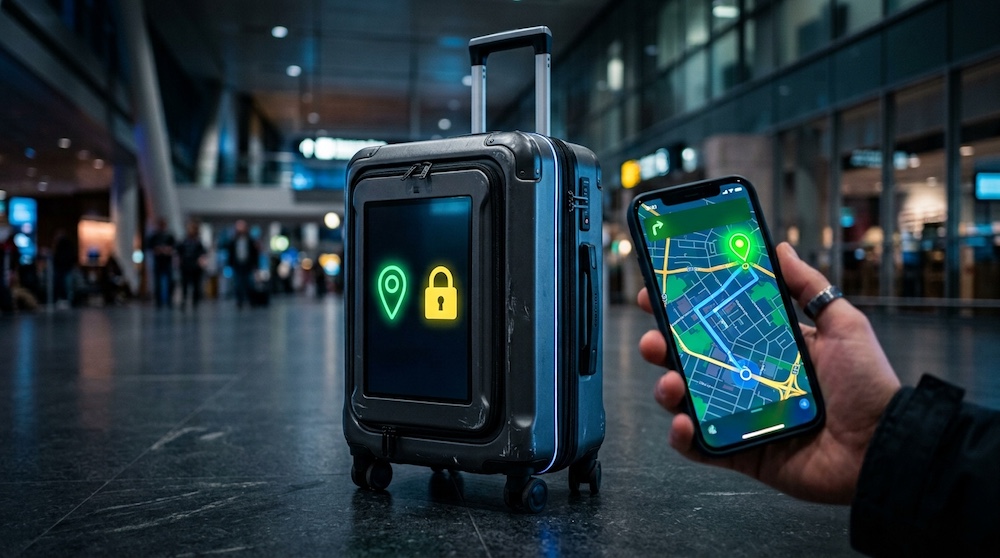
Baggage tracking now tells you where your bag is, which converts a distressing unknown into a manageable delay.
Money Without the Old Risks
Carrying large amounts of cash used to be standard and dangerous. Contactless payment, multi-currency accounts, and mobile wallets have largely removed the need.
The bigger safety gain is control: if a card is lost or compromised, you can freeze it instantly from your phone rather than making an international phone call and hoping.
Safety Tools
- Location sharing with a trusted contact, particularly useful for solo travelers
- Government travel advisory apps with real-time alerts and consular contacts
- Digital copies of passports, insurance, and prescriptions stored in the cloud
- Emergency SOS features on modern phones, including satellite messaging in remote areas
- Ride-hailing records that log your driver, route, and journey
None of these replace judgement. All of them shorten the gap between something going wrong and help arriving.
Health and Documentation
Digital vaccination records and health passes streamlined a genuinely chaotic period of travel. Telemedicine now lets travelers consult a doctor from a hotel room, and insurance apps handle claims and find approved local providers.
The Trade-Offs Worth Naming
Dependency
Technology that works brilliantly until the battery dies is a real vulnerability. Carry a power bank and keep paper backups of critical addresses and numbers.
Privacy
Location data, biometric records, and booking histories accumulate. Understand what you’re sharing, particularly with free apps and public Wi-Fi.
Fraud
Convenience cuts both ways. Fake booking sites, public Wi-Fi interception, and phishing during disruption are all growing. Book direct where possible and use a VPN on public networks.
Lost Serendipity
Some of the best travel experiences came from being lost, asking strangers, and stumbling into things. Optimising every hour removes that.
The Takeaway
Technology has made travel dramatically safer and simpler — mainly by shrinking the distance between a problem and its solution.
Use it, but don’t depend on it completely. Power bank, paper backups, and the willingness to occasionally put the phone away.