

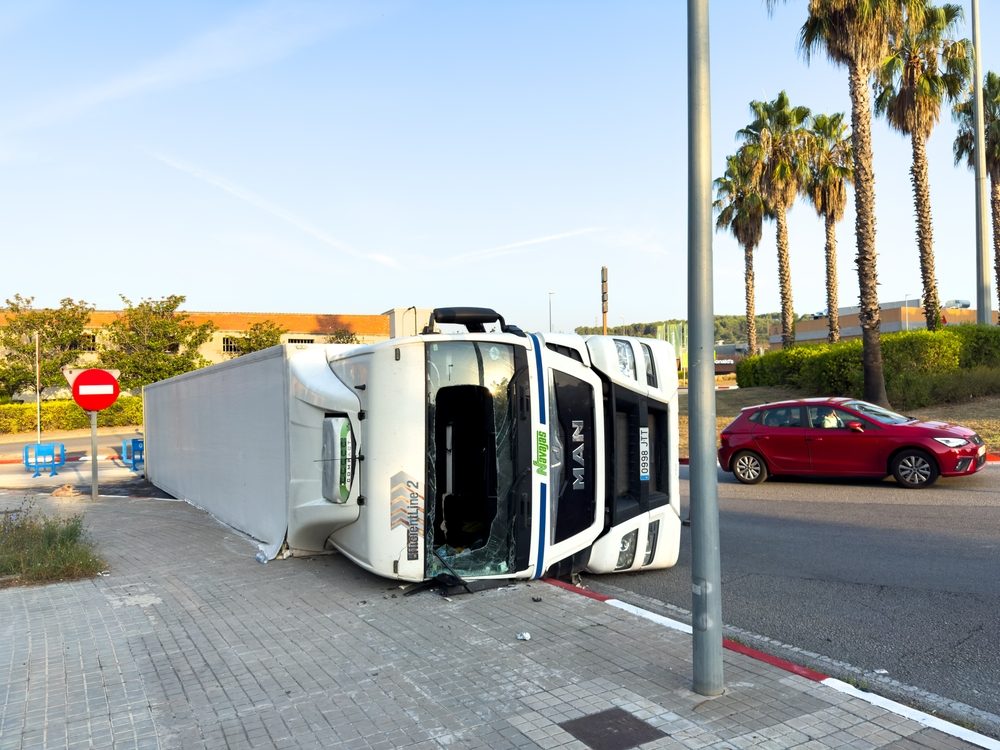
A damaged truck can show the force of a collision, but it cannot explain everything that led to it. A crash may look like a simple mistake at first, yet the real cause can be hidden in driver records, vehicle data, maintenance history, cargo paperwork, or road evidence. Finding that missing piece matters because the person behind the wheel may not be the only party responsible.
A truck accident lawyer can examine different sources of evidence and connect details that may seem unrelated. The goal is to build a clear account of what happened, why it happened, and who may have played a part.
Table of Contents
Why Does the Real Cause Matter After a Truck Crash?
A truck collision can involve several people and businesses. A driver may have been tired, a company may have failed to maintain its vehicle, or cargo may have been loaded incorrectly. If investigators look only at the crash itself, they may miss important facts.
Finding the cause can help identify the parties who may be legally responsible. Depending on the circumstances, those parties could include:
- The truck driver
- The trucking company
- The vehicle owner
- A maintenance or repair provider
- A company responsible for loading cargo
This review matters because trucking businesses often have records that can help explain how a crash occurred.
Which Evidence Can Tell the Bigger Story?
Good truck crash investigations rely on several types of evidence. Each piece can answer a different question, and together they can create a more complete picture.
Crash Scene Evidence
The road can hold useful clues after a collision. Investigators may review photographs, skid marks, debris, vehicle positions, road conditions, traffic signs, and damage patterns. These details can help show where each vehicle was, how it moved, and whether braking happened before impact.
Police reports and witness statements can provide useful information. Traffic camera footage or nearby business recordings may add details missing from official reports.
Driver and Trucking Records
A commercial truck produces information about its operation. Records may show how the driver was working before the crash and whether the truck was inspected.
Relevant records can include:
- Driver logs and hours of service
- Vehicle inspection reports
- Maintenance and repair records
- Dispatch information
- Company safety records
These documents may reveal patterns that are difficult to see from the accident scene alone. Records might raise questions about driver fatigue, missed inspections, or delayed repairs.
What Can Electronic Truck Data Reveal?
Modern trucks can contain electronic systems that record useful information. Electronic logging devices can show driving time and help establish whether a driver followed required hours of service. Other vehicle data may provide information about speed, braking, or actions before a collision.
Electronic records provide another way to check what happened and compare it with statements from drivers or witnesses.
Was a Mechanical Problem Part of the Crash?
Not every truck collision starts with driver behavior. A mechanical problem can also create dangerous conditions. Brake failures, worn tires, steering issues, or other equipment problems may affect a truck’s ability to stop or stay under control.
An investigation can look at the truck’s condition and maintenance history. Investigators may ask:
- Were required inspections completed?
- Were earlier problems reported?
- Were repairs made correctly and on time?
- Did a defective part contribute to the crash?
These questions can help separate a sudden equipment problem from a failure to properly maintain the vehicle.
Could the Cargo Have Changed What Happened?
Cargo is another part of the investigation that can be easy to overlook. Large trucks depend on proper loading and securement to remain stable on the road. A load that shifts, falls, or is distributed poorly can change how a truck handles.
Investigators may review loading documents, shipping records, and information about how the cargo was secured. They may also examine whether the person or company responsible for loading followed safety requirements.
A cargo issue could contribute to a rollover, loss of control, or collision with another vehicle. Identifying this factor may also help determine whether another party shares responsibility.
How Does the Evidence Come Together?
Collecting evidence is only one part of an investigation. The next step is connecting the details into a sequence of events. A truck accident lawyer may compare physical evidence with driver records, electronic data, maintenance documents, witness accounts, and other information.
For example, a vehicle’s damage may suggest hard braking, while electronic data can help show whether braking occurred. Maintenance records may then reveal whether the braking system had a known problem. Each detail can add another part to the explanation.
This approach helps reduce guesswork. It also makes it easier to spot differences between what people say happened and what the available evidence shows.
Building a Clearer Path Forward
The real cause of a truck crash is not always visible in the wreckage. It may be found in a maintenance record, a driver log, a loading document, or electronic data from the vehicle. Looking at these details together can help create a clearer picture of how the collision happened.
For someone injured in a truck crash, knowing the cause can be an important part of understanding legal options. A careful investigation can help identify responsible parties, preserve useful evidence, and provide a stronger factual basis for a claim.