

Occasional travel is a disruption you recover from. Frequent travel is a lifestyle — and lifestyles have compounding effects. The person flying twice a month faces a different problem from the once-a-year holidaymaker: not surviving one trip, but sustaining dozens without wearing down.
These are the habits that keep frequent travelers functional over years, not weeks.
Table of Contents
Protect Sleep Above Everything
Sleep debt is the engine behind most travel burnout. Fatigue makes you eat worse, exercise less, and handle stress badly — so sleep is the habit worth defending hardest.
Keep One Fixed Anchor
Pick either a consistent wake time or a consistent bedtime and hold it wherever possible. A single fixed point gives your body clock something to organise around.
Build a Portable Sleep Kit
Eye mask, earplugs, and your own routine cues — the same book, the same tea, the same playlist. Familiar signals work in unfamiliar rooms.
Don’t Bank on Catching Up
Weekend recovery sleep helps, but it doesn’t fully repay the debt. Treat adequate sleep as a nightly requirement, not something to settle later.
Move Every Single Day
Frequent travelers often have long sedentary stretches punctuated by nothing. The daily minimum matters more than any single workout.
Set a floor you can hit anywhere: a 20-minute walk, a bodyweight circuit, ten minutes of stretching. On hard days, you hit the floor. On good days, you do more.
Long journeys deserve special attention — get up regularly, stretch on arrival, and consider compression socks on flights over six hours.
Eat on a Schedule, Not on Impulse
Anchor One Meal Daily
Make one meal a day reliably good — protein, vegetables, something whole. Breakfast is usually the easiest to control. That anchor makes the unpredictable meals matter less.
Never Travel Without Food
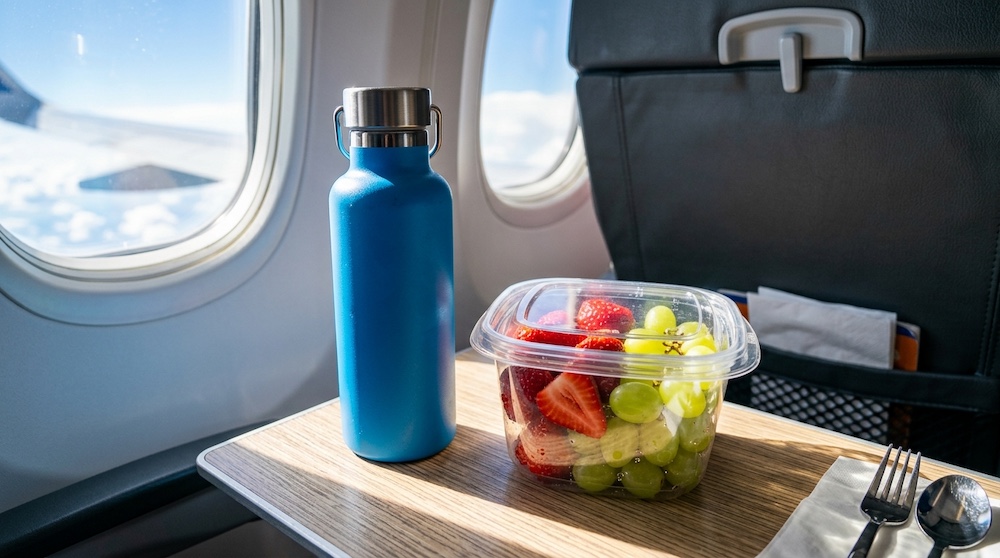
A bag with nuts, fruit, or a bar prevents the worst decisions, which almost always come from waiting too long to eat.
Watch the Small Multipliers
Airport drinks, hotel bar rounds, and client dinners add up in ways occasional travelers never notice. Not because any one is a problem, but because for you they aren’t occasional.
Guard Your Mental Bandwidth
Schedule Genuine Downtime
Frequent travel means constant decision-making — routes, bookings, unfamiliar systems. That’s a real cognitive load. Book an unstructured evening or a slow morning into every trip and treat it as non-optional.
Keep One Ritual Everywhere
Morning coffee alone, a short walk before dinner, ten minutes of reading before bed. A single portable ritual provides stability across a dozen different cities.
Say No to Some Trips
Not every journey needs to happen. The most sustainable frequent travelers are ruthless about which trips are actually worth the cost to their body and schedule.
Maintain Connection Deliberately
Frequent travel quietly erodes relationships if left alone. Regular calls at set times, being fully present when you’re home, and turning down work during protected periods all matter more than they seem.
Isolation is one of the least discussed costs of a heavy travel schedule.
Handle the Health Admin
- Keep a small kit with your regular medication, painkillers, and basic first aid
- Stay current on vaccinations and check requirements early
- Carry adequate travel insurance and know how to use it
- Book routine check-ups during home periods instead of postponing indefinitely
Recover Properly Between Trips
The days at home are part of the system, not a gap in it.
Return to normal sleep and meal times immediately. Resume movement within 48 hours. Keep the fridge stocked or arrange a delivery for arrival day. Build in at least one genuinely empty day where nothing is scheduled.
The Takeaway
Frequent travel is sustainable, but only deliberately. Sleep, daily movement, one solid meal, protected downtime, and real recovery at home — hold those five, and the schedule stops being something you endure.