

A small tour company's best ad of the year is usually something simple. A twelve-second clip of kayaks gliding into a sea cave at sunset, shot on a guide's phone, that books out the first half of summer. By August, the same ad costs noticeably more per booking, and the owner assumes the season is winding down.
Sometimes it is. Often, two other things are happening at once: the audience has seen that clip too many times, and the people who still click are dropping off somewhere between the ad and the checkout.
Table of Contents
Most Travel Brands Don't Need an App
There's a recurring temptation to build a branded booking app. It feels like what serious travel companies do.
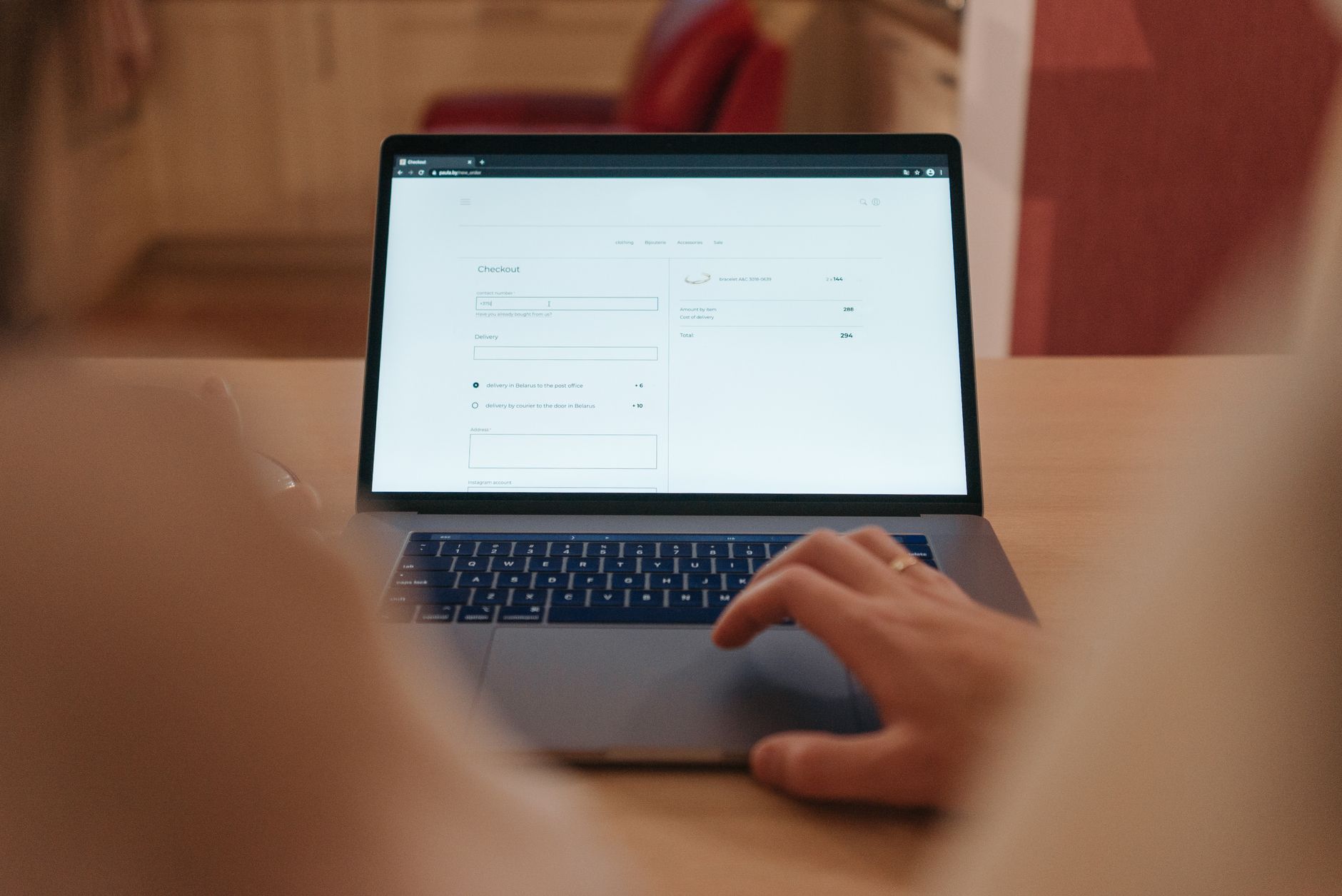
The math rarely supports it for small operators. Most travelers book a tour or a boutique stay once, maybe twice, and very few will download an app to do it. They'll tap an Instagram ad, land on a mobile page, and either book in a couple of minutes or leave. A fast mobile booking flow does the job a native app would, without the App Store review, the update cycle, or the empty download numbers.
Apps start to make sense for multi-day trips where travelers need offline itineraries, meeting points, and messages from guides during the trip. Even then, a progressive web app or a well-built guest portal often covers it.
Where AI App Builders Actually Help
Tools like Lovable, Bolt, and Replit can turn a description into a working web app in an afternoon, and that speed is useful for travel brands in specific places.
AI app builders are good at the parts around the booking. A "which trip fits you" quiz that recommends a tour based on fitness level and travel dates. An interactive map of a week-long itinerary. A private page for a wedding group showing their schedule and room assignments. These are marketing and service experiences, and if one breaks, nobody loses money.
The booking itself is a different matter. Live availability, deposits, cancellations, refunds, and payment security are hard to get right, and a generated app that double-books a twelve-seat boat on a holiday weekend creates a problem no prompt can fix. The sensible pattern is to build the experience around the booking with AI tools, then hand the actual transaction to an established booking engine through its widget or checkout link.
The Booking Engine Does the Real Work
For tours and activities, FareHarbor, Peek Pro, Rezdy, and Bókun cover most operators' needs. The differences that matter are pricing structure and distribution.
FareHarbor's model shifts much of its cost onto a booking fee paid by customers, which appeals to operators watching fixed costs but adds a line item at checkout that some travelers notice.
Channel management matters a lot if a meaningful share of bookings comes from OTAs, because a sale on one channel needs to remove that seat everywhere else immediately.
Whichever engine you choose, test the checkout on a mid-range Android phone over a hotel Wi-Fi connection. That's closer to how many travelers actually book than a fast laptop in the office.
When a Winning Ad Wears Out
Meta creative fatigue tends to show up in Ads Manager before anyone feels it in bookings. Frequency climbs past the point where people have seen the ad several times. Click-through rate drifts down. Cost per result rises even though targeting and budget haven't changed.
Travel brands get hit harder than many categories because their audiences are narrow. A tour company targeting people interested in a specific coastline, or retargeting a few thousand past site visitors, burns through that audience quickly. The sunset clip that felt fresh in May has been seen many times by the same people by July.
Meta's delivery system has also become better at telling genuinely different creatives apart from minor edits. Swapping the headline or the color of a button on the same video rarely restores performance anymore.
Refreshing Without Starting From Scratch
Travel brands have an advantage here: guests produce new footage every day. Asking for permission to reuse guest videos, or having guides film short clips on each trip, creates a steady supply of raw material.
New angles matter more than new edits. The same kayak tour can be sold as a family outing, a photography trip, a date, or a way to see sea caves that boats can't reach. Each angle reaches a different slice of the audience and wears out on its own schedule.
A practical cadence for a small team is two or three genuinely new concepts a month during peak season, with the older ones kept running at lower budgets as long as they still convert.
A Fresh Ad Is Wasted on a Slow Page
Most travel brands treat advertising and booking as separate problems with separate owners. Customers experience them as one moment, a few seconds of video followed by a few taps on a phone. Spending weeks refreshing ads while a slow checkout loses people at the final step means paying more to bring visitors to the exact place they're leaving.
2 thoughts on “Booking Pages and Tired Ads: Two Quiet Leaks in a Travel Brand’s Funnel”
Comments are closed.