

Osaka spreads across a dozen distinct districts, and picking the wrong one can mean an extra 40 minutes on the train every single day of a trip. Namba feels nothing like Umeda, and Tennoji operates on a completely different rhythm than Shin-Osaka. Understanding what each area actually offers — not just its reputation — makes the difference between a convenient trip and a frustrating one.
Table of Contents
Namba and Dotonbori
Namba sits at the center of Osaka's nightlife and street food scene, and it's the neighborhood most first-time visitors picture when they think of the city. The canal-side strip of Dotonbori glows with neon signs, ramen shops, and takoyaki stands well past midnight. Staying here means walking distance to Kuromon Market, easy subway access to most attractions, and zero need for late-night taxis.
The tradeoff is noise. Rooms facing the main streets can stay loud until 2 or 3 a.m., especially on weekends, so it's worth checking room orientation before booking. Namba also tends to run pricier than neighborhoods just a few stops away, since demand rarely lets up.
Umeda and Osaka Station
Umeda functions as Osaka's other major hub, built around Osaka Station and Hankyu Umeda Station. It has a more corporate, polished feel than Namba — department stores, business hotels, and elevated walkways connecting shopping complexes like Grand Front Osaka and Lucua.
This area suits travelers who want fast access to Kyoto or the airport limousine bus, since Umeda is a direct rail line to both. It's also a smart choice for anyone visiting in winter, since much of the district is connected indoors, letting you skip the cold entirely between the station and your hotel.
Shinsaibashi
Shinsaibashi sits just north of Dotonbori and offers a quieter version of the same central location. The covered Shinsaibashi-suji shopping arcade runs for nearly 600 meters, lined with fashion boutiques, drugstores, and cafes that stay open late but rarely reach Dotonbori's volume.
Many travelers looking for 오사카 숙소 find that Shinsaibashi strikes a good balance between walkable nightlife and a manageable noise level after dark. It's close enough to Namba to walk in ten minutes but calm enough to actually sleep before an early train.
Tennoji
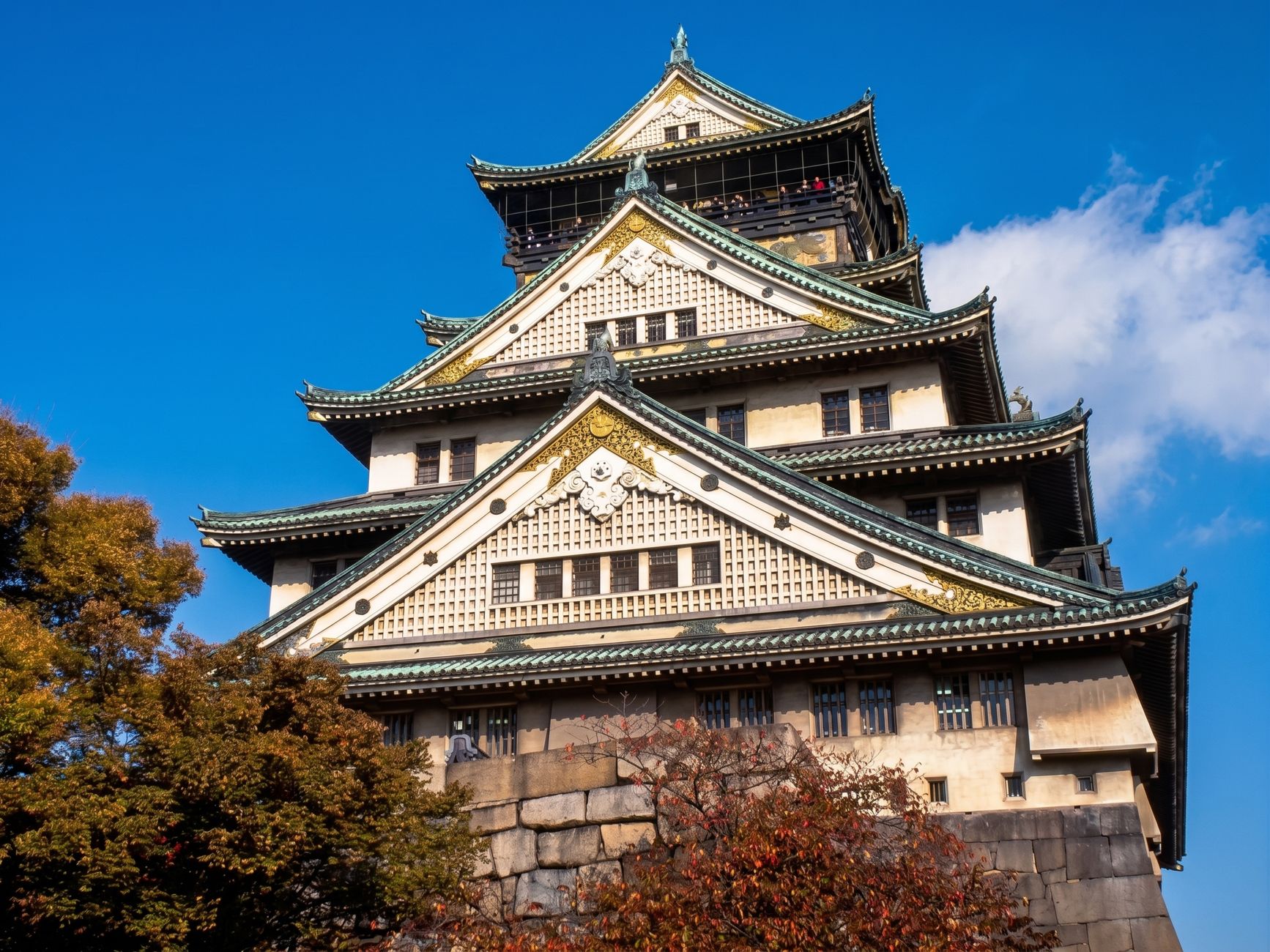
Tennoji anchors the southern part of the city and gets overlooked by visitors focused only on Namba and Umeda. It's home to Osaka Castle's southern approach, the Tennoji Zoo, and Abeno Harukas, the tallest building in Japan outside Tokyo, with an observation deck on the 60th floor.
Hotel rates in Tennoji typically run lower than in Namba or Umeda, sometimes by 20 to 30 percent for comparable room quality. The area also has direct rail access to Kansai International Airport via the JR line, which matters for anyone catching an early flight and wanting to avoid a transfer at Namba or Umeda.
Shin-Osaka
Shin-Osaka exists almost entirely around its train station, the terminus for the Shinkansen bullet train connecting Osaka to Tokyo, Kyoto, and Hiroshima. It's a practical base for travelers planning day trips outside the city or arriving by bullet train with heavy luggage.
The neighborhood itself is light on attractions and closes down earlier than the central districts. Staying here makes the most sense for one or two nights bookending a longer Osaka stay, rather than as a base for the whole trip.
Honmachi and Business District
Honmachi sits between Namba and Umeda and caters primarily to business travelers, which works in leisure travelers' favor when it comes to rates. Hotels here often cost less per night than similarly rated properties in the entertainment districts, since demand skews toward weekday corporate stays rather than weekend tourism.
The area is quiet at night, with fewer restaurants staying open past 10 p.m., but it puts both Namba and Umeda within a 10-minute subway ride. It suits travelers prioritizing sleep and value over proximity to nightlife.
Choosing the Right Base
The best neighborhood depends less on Osaka's layout and more on what a specific trip needs. Travelers chasing street food and late nights should lean toward Namba or Shinsaibashi. Those connecting to Kyoto, the airport, or other cities by rail get more mileage out of Umeda, Tennoji, or Shin-Osaka.
Before booking, map out the two or three activities that matter most and check the transit time from each candidate neighborhood, not just the distance on a map. Osaka's subway system is fast and reliable, but a 15-minute ride twice a day adds up fast over a five-night stay, and the right neighborhood makes that math work in your favor instead of against it.