

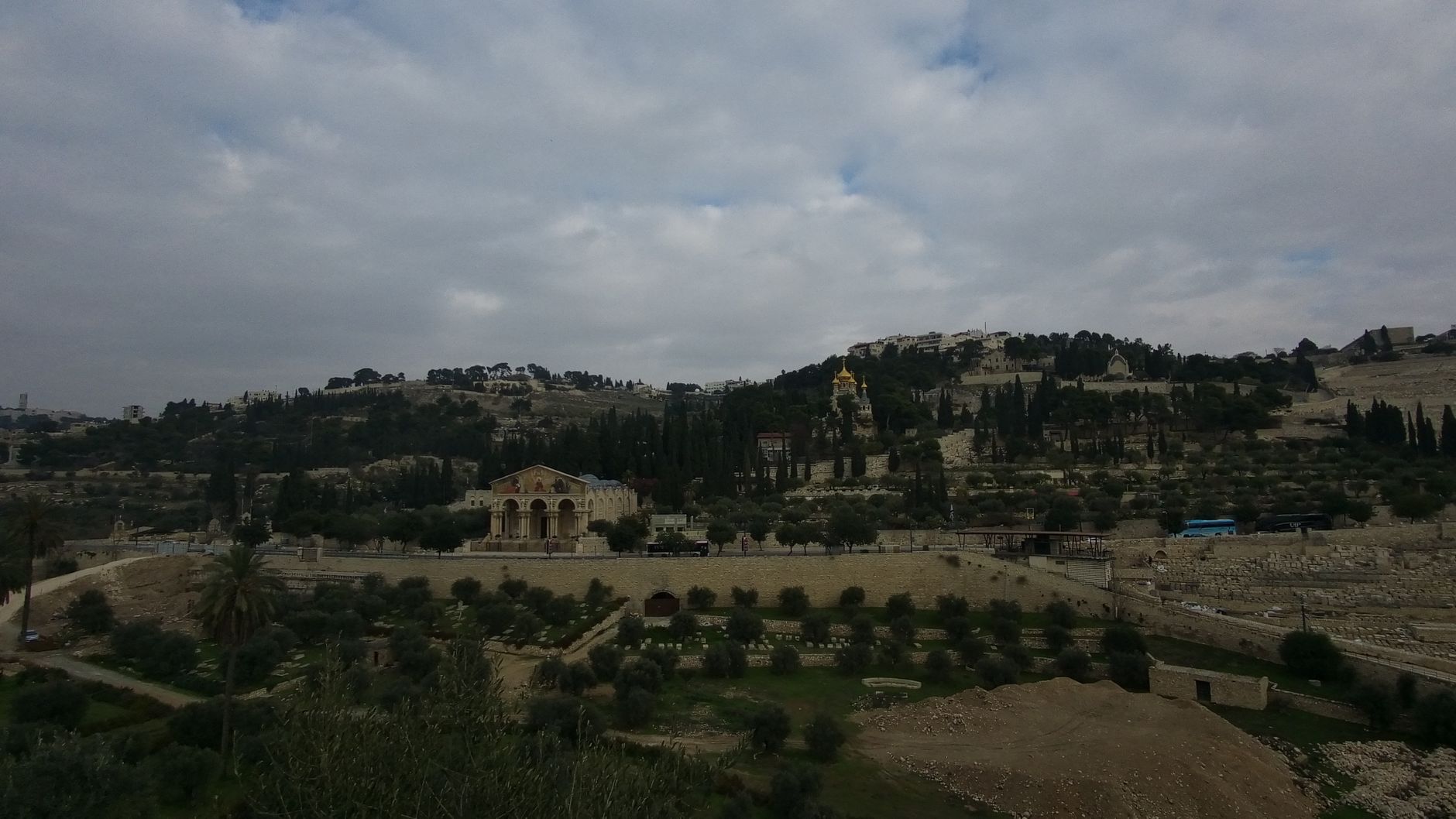
Walking through the Old City of Jerusalem for the first time can feel disorienting even with a map in hand — four quarters, dozens of alleyways, and thousands of years of history compressed into less than a square kilometer. Israel and the Palestinian Territories pack an extraordinary number of historically significant sites into a relatively small geographic area, but that density also means poor planning can cost you hours of standing in lines or backtracking across the country. A little preparation goes a long way toward making a pilgrimage or historical tour feel unhurried rather than rushed.
Table of Contents
Book Accommodations in Jerusalem Early
Hotel rooms in Jerusalem's Old City and surrounding neighborhoods fill up months in advance, especially around Easter, Christmas, and Jewish holidays like Passover and Sukkot. Prices can double or triple during these peak windows, and last-minute travelers often end up staying far from the sites they came to see. Booking six months ahead isn't excessive for a spring or fall trip, and it gives you first pick of properties within walking distance of the Jaffa Gate or Damascus Gate.
Plan Your Route Around Opening Hours, Not the Other Way Around
Many religious sites operate on schedules that shift by day of week and season. The Church of the Holy Sepulchre closes for periods during the day, the Western Wall has different access rules on Shabbat, and the Dome of the Rock restricts non-Muslim visitors to specific morning hours. Rather than mapping out a route by geography alone, check each site's current hours before building your itinerary, since a beautifully planned walking route falls apart if you arrive to locked gates.
Dress for Modesty at Every Site
Shoulders and knees need to be covered at nearly every religious site in the region, regardless of your own beliefs or the weather. Many churches and mosques keep shawls or wraps at the entrance for underdressed visitors, but supply runs short during busy seasons. Pack a lightweight scarf or wrap that folds small, and consider that this rule applies even on 95-degree days in July.
Hire a Licensed Guide for Historically Dense Sites
Sites like the City of David, the Garden Tomb, or the ruins at Megiddo mean far more with context than without it. A licensed guide can point out archaeological layers, explain competing historical claims, and get you past ticket lines that independent visitors wait in. Several companies organize Holy Land Tours that bundle licensed guiding with transportation and skip-the-line access, which removes a significant amount of logistical guesswork for travelers who don't want to coordinate every entrance fee and shuttle themselves.
Carry Small Bills and Understand the Currency Situation
The Israeli new shekel is the primary currency, but U.S. dollars are widely accepted in tourist areas of Jerusalem, Bethlehem, and Nazareth, sometimes at unfavorable exchange rates. Vendors in the Old City markets rarely have change for large bills, so break your money into smaller denominations at a bank or currency exchange soon after arrival. Credit cards work at most hotels and restaurants but aren't reliable at smaller shops or with street vendors selling olive wood carvings and religious souvenirs.
Account for Border Crossings if Visiting Bethlehem or Jericho
Bethlehem and Jericho fall under Palestinian Authority administration, which means crossing a checkpoint to enter. Most tour groups handle this smoothly, and the wait is typically short for tourists, but independent travelers should bring a passport every single day, not just on days they expect to cross. Taxi and bus drivers based in Jerusalem often can't continue into Bethlehem, so plan to switch vehicles at the checkpoint if traveling independently.
Pack for Extreme Temperature Swings
Jerusalem sits at over 2,500 feet elevation, and desert regions like the Dead Sea and Masada can be 20 degrees warmer than the hill country on the same afternoon. A trip that includes both Jerusalem and the Dead Sea in the same week calls for layers rather than a single wardrobe strategy. Mornings at Masada before sunrise can feel chilly even in summer, while midday at the Dead Sea shore regularly exceeds 100 degrees.
Build in Slack Time Between Major Sites
Traffic between Jerusalem, Bethlehem, and the Galilee region rarely matches what a map application predicts, particularly around checkpoints and during Israeli holidays when roads see heavier local travel. A drive listed as 90 minutes can stretch to two and a half hours without warning. Leaving buffer time between scheduled stops prevents a single delay from cascading through an entire day's itinerary, and it gives you room to linger at a site that turns out to be more moving than expected.
The sites themselves rarely disappoint, but the logistics around them can undermine an otherwise meaningful trip if left to chance. Treat opening hours, border logistics, and seasonal booking windows as seriously as the itinerary itself, and the practical details will fade into the background once you're standing in the places you came to see.