

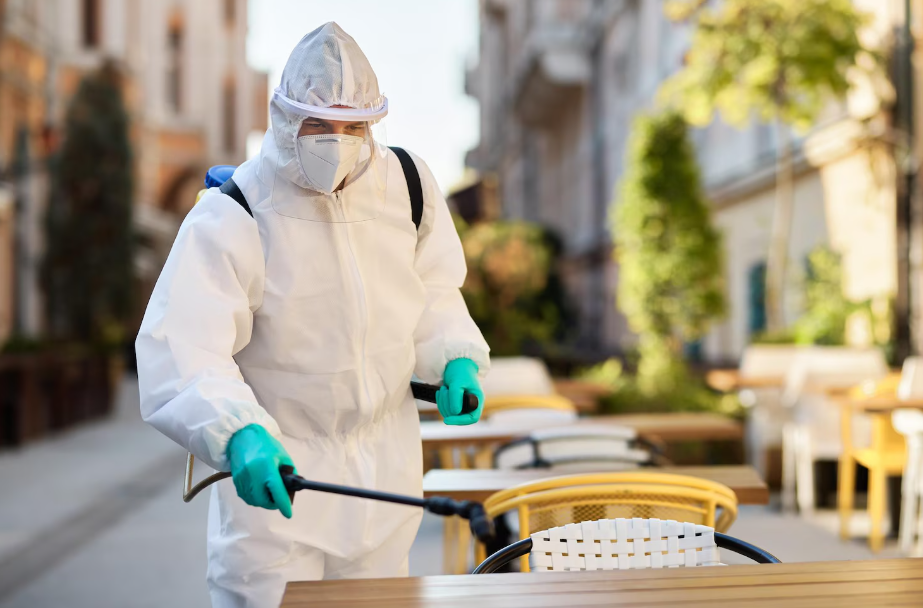
Modern Approaches to Effective and Responsible Pest Control
Effective pest management is an important part of maintaining clean, safe, and comfortable residential and commercial environments. Pest control involves more than responding to an infestation after it occurs. Preventative measures, regular monitoring, proper sanitation, and targeted treatments can help reduce pest activity and limit the risk of recurring problems.
Modern pest management, including professional pest control services, also places greater emphasis on environmentally responsible methods. Integrated Pest Management (IPM), technological developments, and professional expertise have made it possible to address pest problems while reducing unnecessary chemical use and protecting people, property, and the surrounding environment.
Understanding Common Pest Problems
Different pests create different risks, making accurate identification an important first step in pest management. Common pests include rodents, insects, birds, termites, and other unwanted animals.
Rats and mice are common concerns in urban environments. They can contaminate food, spread diseases, damage electrical wiring, and weaken structures through gnawing. Cockroaches and ants can also become persistent problems, particularly in areas where food and moisture are readily available. Their presence may affect hygiene and increase the risk of food contamination.
Birds can cause problems when they build nests or roost around buildings. Their droppings can stain surfaces, damage building materials, and create hygiene concerns. Termites are another serious threat because they can remain unnoticed while feeding on wooden structures. If an infestation is not detected early, extensive property damage and costly repairs may result.
Understanding the behaviour and habits of each pest allows property owners and pest control professionals to select appropriate prevention and treatment methods.
Integrated Pest Management Techniques
Integrated Pest Management is widely used as a practical approach to controlling pests. Rather than relying solely on pesticides, IPM combines prevention, monitoring, physical controls, biological methods, and targeted chemical treatments when necessary.
Key components include:
Identification and Monitoring
Accurate pest identification helps determine the most suitable treatment method. Regular inspections and monitoring can also reveal early signs of pest activity, allowing problems to be addressed before they become severe.
Prevention and Exclusion
Preventative measures reduce opportunities for pests to enter and establish themselves. Common measures include sealing cracks and gaps, repairing damaged structures, keeping storage areas organised, and removing potential food and water sources.
Cultural Controls
Changes in daily practices can help reduce pest activity. Proper waste disposal, routine cleaning, appropriate food storage, and good sanitation can remove conditions that attract pests.
Physical and Mechanical Controls
Traps, barriers, screens, and other mechanical methods can help control pest populations without relying on chemical treatments. These methods are particularly useful when pests can be physically prevented from accessing certain areas.
Biological Controls
Biological control uses natural predators, parasites, or pathogens to reduce pest populations. Although its use depends on the pest and environment, it can provide an alternative to conventional chemical treatments in suitable situations.
Chemical Controls
Pesticides may be necessary when other control measures are insufficient. Professional pest control focuses on using suitable products in targeted quantities and applying them according to safety requirements. This approach helps reduce unnecessary exposure and limits potential effects on non-target organisms.
Technological Advances in Pest Control
Technology is changing how pest problems are detected and managed. Smart traps equipped with sensors can monitor pest activity and provide information about captures, allowing technicians to identify problem areas more accurately.
Imaging technologies can also assist with inspections. Thermal imaging, for example, may help identify activity in areas that are difficult to access or inspect visually. In agriculture and other large-scale environments, drones and remote imaging can be used to monitor pest activity and support treatment planning.
These technologies can improve monitoring and help professionals make more informed decisions about when and where intervention is required.
The Role of Professional Pest Control Services
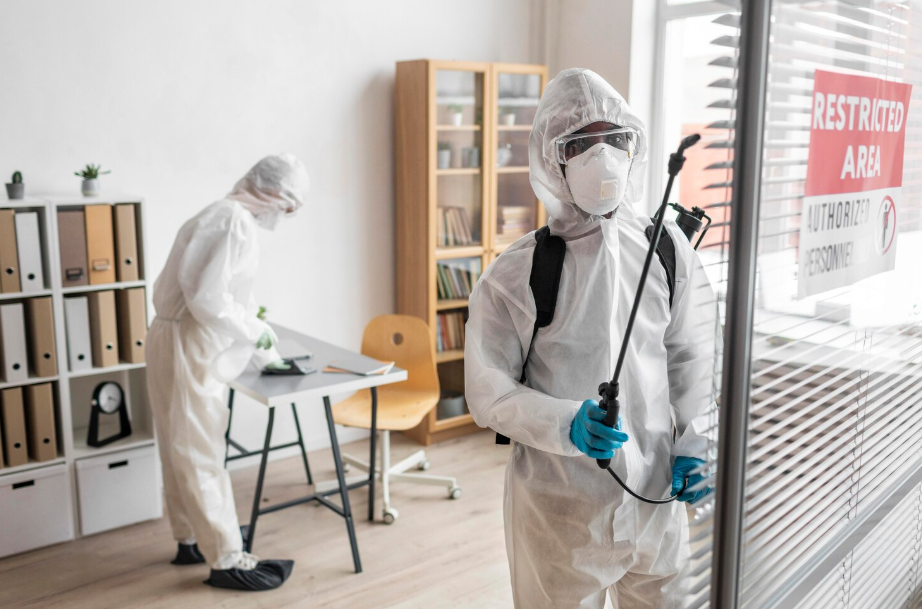
Professional pest control services provide the knowledge, equipment, and experience required to manage different types of infestations. Trained technicians can inspect a property, identify signs of pest activity, determine possible entry points, and recommend appropriate control measures.
Treatment plans can be adjusted according to the type of pest, severity of the infestation, property layout, and environmental conditions. This tailored approach is often more effective than applying the same treatment to every situation.
Professional services can also help ensure that pest control products and procedures are used according to applicable safety requirements. This is particularly important in homes, workplaces, food-related facilities, and other environments where people may be exposed to treatment areas.
Health and Safety Considerations
Pests can create health concerns through bites, contamination, allergens, and disease transmission. Mosquitoes and fleas, for example, can transmit certain diseases, while pest droppings and shed materials may contribute to allergic or respiratory reactions.
Pest control treatments must therefore be carried out carefully. Professional technicians consider the safety of occupants, workers, pets, and other non-target organisms when planning and applying treatments. Appropriate precautions, application methods, and follow-up measures help reduce unnecessary risks.
The Future of Pest Management
The pest control industry continues to move towards methods that combine effectiveness with environmental responsibility. Improvements in monitoring technology, targeted treatments, and non-chemical control methods are expected to support more precise pest management.
Greater cooperation between pest control professionals, researchers, property owners, businesses, and regulatory authorities can also contribute to improved practices. As environmental awareness increases, demand for pest management solutions that reduce unnecessary chemical use is likely to grow.
Effective pest control will continue to depend on a balanced approach. Prevention, monitoring, professional treatment, technology, and responsible use of control methods can work together to manage pest populations while protecting people, property, and the environment.