

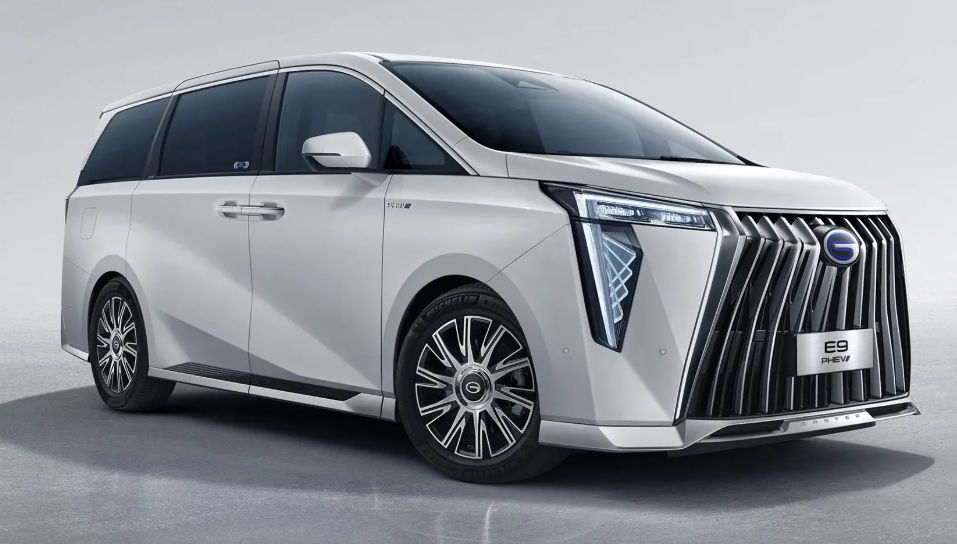
The way people travel in cities is changing as more drivers become interested in vehicles that are practical, efficient, and better suited to a more sustainable future. Electric vehicles are becoming an increasingly visible part of this change, and electric multi-purpose vehicles (MPVs) are attracting attention for their combination of passenger space, comfort, and electric driving.
In Singapore, where efficient urban transport is especially important, electric MPVs can offer a practical option for families and other drivers who need more interior space than a typical passenger car can provide. These vehicles combine the flexibility of an MPV with the benefits of an electric powertrain, creating an option for people who want a spacious vehicle without relying on a traditional petrol engine. An electric MPV car in Singapore can therefore provide a practical balance of space, efficiency, and convenience for everyday urban travel.
As battery technology, charging infrastructure, and in-car technology continue to improve, electric MPVs are becoming more suitable for everyday driving.
Table of Contents
The Growing Appeal of Electric MPVs
An MPV is designed around practicality. Its spacious cabin and flexible seating arrangement make it useful for families, group travel, and drivers who regularly carry passengers or larger amounts of luggage.
Adding an electric powertrain changes how the vehicle operates. Electric motors can provide smooth acceleration and quiet operation, which can make the driving experience more comfortable in busy urban areas.
Electric MPVs can also provide useful flexibility for drivers who need a vehicle for different purposes. A family might use one for school runs and daily commuting during the week, then rely on the same vehicle for weekend trips.
The combination of space and electric technology makes this type of vehicle an interesting option for drivers who do not want to give up practicality when switching to an EV.
Practicality for Singapore Driving
Singapore's urban environment places particular demands on vehicles. Roads can become busy during peak hours, parking spaces can be limited, and drivers often need to balance passenger comfort with practical vehicle dimensions.
An electric MPV can meet some of these needs by providing a spacious cabin without requiring drivers to operate a traditional petrol-powered vehicle.
Passenger comfort is an important part of the MPV concept. A well-designed cabin can provide useful legroom and headroom, while flexible seating can make it easier to accommodate different combinations of passengers and luggage.
For families, this flexibility can be valuable. Parents may need space for children, bags, shopping, and other everyday items, while larger families may place even greater importance on passenger capacity.
The Benefits of Electric Power
One of the main differences between an electric MPV and a conventional MPV is the powertrain.
Electric motors deliver power smoothly, which can make acceleration feel more consistent. This is particularly useful in urban traffic, where drivers regularly move between stopping, slowing down, and accelerating.
Electric vehicles can also operate quietly compared with vehicles powered by internal-combustion engines. Lower driving noise can contribute to a more relaxed cabin environment, particularly for passengers.
Energy efficiency is another factor. Electric vehicles convert stored electrical energy into movement differently from petrol-powered vehicles, and regenerative braking can recover some energy when the vehicle slows down.
Actual energy consumption depends on several factors, including driving style, traffic, vehicle load, weather, road conditions, and the use of air conditioning.
Battery Range and Charging
Battery range is one of the most important considerations when choosing an electric MPV. Drivers want to know that their vehicle can handle their regular journeys without requiring frequent charging.
Modern EVs continue to improve in this area, but the usable range of any particular vehicle depends on its battery capacity and driving conditions. Official range figures can provide a useful point of comparison, although real-world performance may differ.
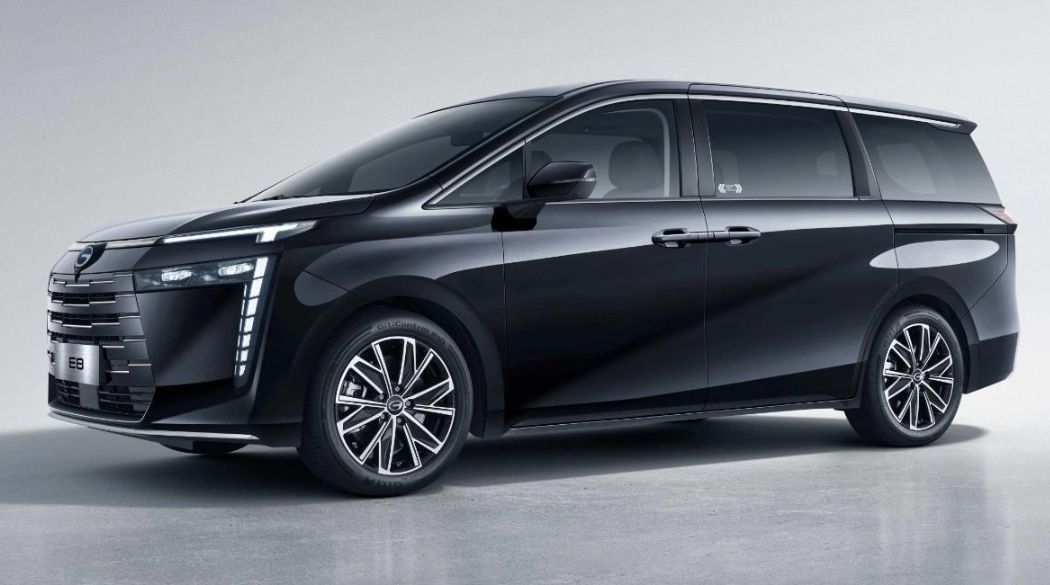
Charging is equally important. An electric MPV needs to fit naturally into the owner's daily routine, which means having access to suitable charging facilities.
Home charging can be convenient for drivers who have access to an appropriate charging setup. Public charging stations are also important for people who cannot charge at home or who need additional charging during longer journeys.
The time required to charge depends on factors such as the charger's power output, battery size, current battery level, and the vehicle's charging capability.
Technology in Modern Electric MPVs
Technology has become a major part of the modern vehicle experience. Electric MPVs can combine their electric powertrains with digital systems designed to make driving easier and more convenient.
Depending on the model, drivers may have access to touchscreen infotainment systems, smartphone connectivity, navigation, digital displays, voice controls, and other connected features.
Some electric vehicles can also provide detailed information about energy consumption and remaining battery range. This can help drivers understand how their driving habits affect efficiency and plan their journeys more effectively.
Technology can also benefit passengers. Connectivity, charging ports, climate controls, and entertainment features can make the cabin more comfortable during longer trips.
Safety and Driver Assistance
Safety remains a major consideration when choosing any family vehicle. Modern electric MPVs can be equipped with a range of safety and driver-assistance systems designed to support the driver.
Depending on the vehicle and specification, these may include features such as lane assistance, adaptive cruise control, parking sensors, reversing cameras, blind-spot monitoring, and collision warning systems.
These technologies can be useful in everyday situations. Parking assistance, for example, can help drivers when manoeuvring a larger vehicle into a tight space. Monitoring systems can also provide additional information when travelling through busy traffic.
However, driver-assistance systems are designed to support rather than replace the person behind the wheel. Drivers still need to pay attention to the road and remain in control of the vehicle.
A More Comfortable Family Vehicle
Comfort is one of the strongest reasons families may consider an MPV. Having more space can make a difference when several people are travelling together.
A spacious cabin gives passengers more room to move, while flexible seating can help owners adapt the interior to different situations. When fewer seats are required, available space can potentially be used for luggage or other items, depending on the vehicle's configuration.
Electric power can further improve the cabin experience through quiet operation and smooth acceleration. This can be particularly welcome when travelling with children or elderly passengers.
The quality of the seats, climate control, storage areas, infotainment system, and overall cabin layout also contribute to passenger comfort.
Environmental Considerations
Electric vehicles are often considered an important part of efforts to reduce transport-related emissions. An electric vehicle does not produce exhaust emissions from a tailpipe while driving, which can be beneficial in densely populated urban areas.
However, the environmental impact of an electric vehicle extends beyond its use on the road. Battery production, vehicle manufacturing, electricity generation, and battery recycling all contribute to the vehicle's overall environmental footprint.
For this reason, electric mobility is best viewed as part of a wider transition towards more efficient transport and cleaner energy.
As electricity generation becomes cleaner and battery recycling improves, the wider environmental benefits of electric vehicles may also develop.
The Challenges of Electric MPVs
Despite their advantages, electric MPVs also come with considerations that potential buyers need to understand.
The initial purchase price can be an important factor. Electric vehicles contain advanced battery and electronic systems, which can influence their upfront cost.
Charging access is another concern. Drivers who do not have convenient access to home or workplace charging may need to depend more heavily on public charging facilities.
Vehicle size can also be a consideration. An MPV is generally larger than a small hatchback or compact car, so drivers should think about parking, manoeuvrability, and their usual routes before making a purchase.
Range can vary in real-world conditions as well. Heavy traffic, high speeds, air-conditioning use, and carrying a full passenger load can all affect energy consumption.
Understanding these factors allows buyers to make a more informed decision.
The Importance of Charging Infrastructure
The growth of electric MPVs depends partly on the availability of convenient charging infrastructure. Drivers are more likely to consider an electric vehicle when they can charge it without major disruption to their daily routine.
A strong charging network can make longer journeys easier and reduce concerns about running out of battery power.
Charging infrastructure also needs to support different types of users. Some drivers may need slower charging while parked for several hours, while others may prefer faster charging during a short stop.
As electric vehicle ownership grows, continued development of charging facilities will remain an important part of the transition.
Electric MPVs and the Future of Urban Mobility
The development of electric MPVs reflects a wider change in how people think about urban vehicles. Cars are no longer judged only by engine performance or exterior styling. Buyers are increasingly interested in efficiency, connectivity, safety, practicality, and the environmental impact of their vehicles.
Electric MPVs can bring several of these qualities together. They provide the passenger and cargo flexibility associated with the MPV format while using electric power for everyday driving.
Future improvements in battery technology could make electric MPVs even more practical. Longer ranges, faster charging, improved energy efficiency, and better battery management could help address some of the concerns that currently influence EV purchasing decisions.
Technology is also likely to continue developing. Smarter driver-assistance systems, improved connectivity, and better integration between vehicles and charging networks could make electric MPVs easier to use.
Choosing the Right Electric MPV
Choosing an electric MPV should start with understanding how the vehicle will be used. Drivers should consider the number of passengers they regularly carry, their typical journey length, available charging options, luggage requirements, and preferred features.
Range and charging capability should also be compared between models. A vehicle with a large battery may be useful for drivers who regularly travel longer distances, while someone who mainly drives short urban journeys may have different priorities.
Interior layout is equally important. Buyers should check how easily the seats can be adjusted, how much luggage space is available, and whether the cabin is comfortable for everyone who will regularly use the vehicle.
A test drive can also help. It gives drivers an opportunity to assess visibility, steering, acceleration, ride comfort, parking, and the overall feel of the vehicle.
Conclusion
Electric MPVs are becoming an interesting part of the shift towards more sustainable urban mobility. By combining the spaciousness and flexibility of an MPV with an electric powertrain, they offer an alternative for families and other drivers who need more room without relying on a traditional petrol-powered vehicle.
Their benefits include smooth performance, quiet operation, potential energy savings, modern technology, and practical passenger space. At the same time, buyers need to consider factors such as charging access, range, vehicle size, and upfront cost.
As battery technology and charging infrastructure continue to improve, electric MPVs could become an increasingly practical choice for urban drivers. For consumers considering a switch to electric mobility, they offer a useful balance between everyday practicality, comfort, and modern vehicle technology.