

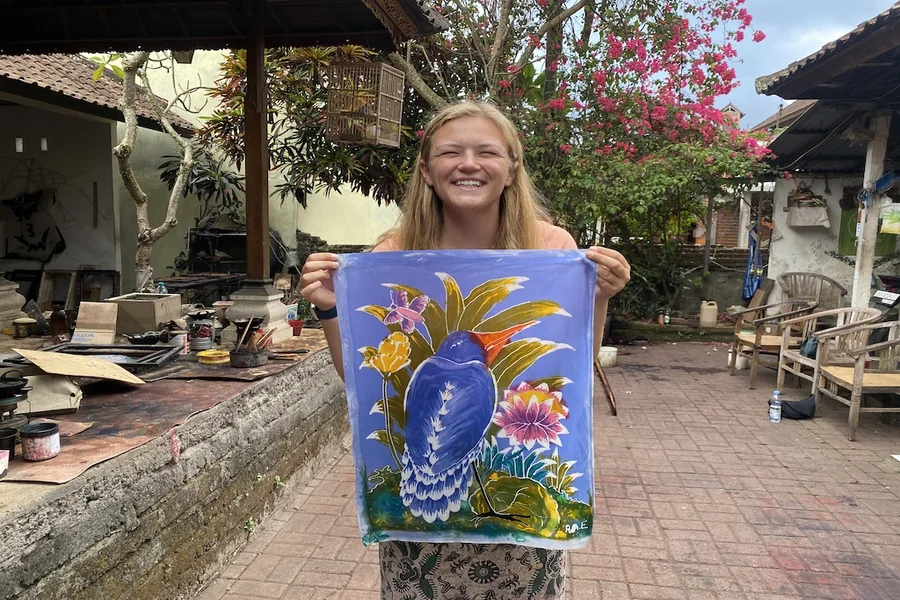
If you are looking for an activity that combines creativity with Balinese culture, a batik class Ubud Bali experience is one of the most rewarding choices. Ubud is home to art, traditional crafts and serene environment hence the ideal place to acquire one of the oldest textiles traditions in Indonesia. You do not just purchase handmade fabric but have a chance to make your own work and get to know the story behind the design and the method.
Each part has its different faces; the crowded streets of Bangkok to the isolated mountains of Chiang Mai and the transparent waters of the southern islands. Tourists are likely to come back as there is a new face of the nation every time they arrive, and every trip turns out to be new and appealing.
This guide contains all the details of what to know before visiting such as the most recommended places to visit, local food, local culture, transportation and important tips on traveling wise.
Table of Contents
Why Thailand Is One of the World’s Favorite Destinations
The great variety is one of the greatest aspects that make people adore Thailand. In the morning you can see a centuries-old temple, have lunch at a real street food eatery and watch the sunset on a tropical beach in the evening.
Powerful kingdoms, Buddhism, and international trade have all contributed to making the country a rich country. Thailand did not undergo formal colonization by a European country as many of its neighbors did, and this fact contributed to the fact that the country retained many elements of its culture.
Another reason why visitors are welcome is hospitality. People always smile, and people around are usually just glad to assist foreigners with directions or suggestions. This warm environment will leave first time visitors comfortable even in crowded metropolis.
The other is affordability. The accommodation, transportation and food are surprisingly cheap in comparison with most Western places, still providing an excellent quality.
The Best Places to Visit Across Thailand
International travelers will normally begin their journey with Bangkok. It is an urban center of contrasts consisting of modern skyscrapers and golden temples and traditional markets. The Grand Palace is still one of the most popular sites in the city and Wat Pho entices tourists with its gigantic Reclining Buddha. Another side of the city is a refreshing experience that can by taxi boat ride along the Chao Phraya River.
Chiang Mai is totally a different kettle of fish. It is situated in the north of Thailand and is enclosed with mountains and very beautiful temples, night markets and the slow pace of the life. Most of the tourists here visit to explore local culture, take cooking lessons, or animal welfare oriented ethical elephant sanctuaries.
Onwards northwards, there is the spectacular White Temple at Chiang Rai (officially known as Wat Rong Khun). Its unusual architecture has rendered it similar to no other temple in the country and has made it one of the most photographed places in the region.
Millions of visitors come to the southern islands every year. Phet again has vibrant beaches, upscale resorts and a vibrant night scene, whereas Krabi has dramatic limestone cliffs and crystal clear water. Railay Beach, which can only be reached by boat, is particularly favorite among the rock climbers and beach lovers as well.
Koh Samui offers both relaxation and entertainment option and has beautiful beaches and comfortable resorts. Close to Koh Phangan is the Full Moon Party that is known globally but there are more peaceful beaches where people can find quite a break.
Koh Tao has emerged as a scuba divers destination of the world. The attractive beginners and experienced diving courses to the under-sea scenery of its clear waters colorful coral reefs make it appealing to tourists both new and seasoned.
Ayutthaya, an ancient royal capital, is an interesting experience of exploring the history of the country. The ancient temple ruins and ruins of ancient buildings form one of the most amazing cultures of Thailand and can be easily visited in a day trip in Bangkok.
Food, Culture, and Local Traditions
One of the highlights of a trip to Thailand is food. Each area has its specialties and a lot of times the best flavors in the state are carried along with street food.
Pad Thai is undoubtedly the most well-known abroad, yet local cuisine is much more diverse. Tom Yum soup is a combination of spicy, sour and fragrant flavors whereas the Green Curry is a creamy mixture of herbs and coconut milk. Mango Sticky Rice is a popular dessert particularly during the mango season.
Foods on the streets are a vital aspect of life. Vendors also make fresh meal in front of their customers and allow the visitors to experience the authentic flavour at reasonable rates. Bangkok and Chiang Mai have popular markets that have unlimited options such as grilled seafood and freshly blended fruit smoothies.
Buddhism is one of the major components of life. Temples are not merely tourist spots but also significant worshiping spots and meeting places by communities. When visiting temples, visitors are expected to dress decently which includes covering their shoulders and their knees as much as possible.
The due to the respect and politeness, the traditional greeting of the country, called the wai, where the palms are put together and slight bowed, is expressed. Although the tourists are not supposed to study all the local customs, it is nice to be polite.
The travel experience also involves festivals giving it a color. The Thai New Year, Songkran, turns whole cities into happy water fights celebrating a new beginning and fortune. Loy Krathong sets a totally different mood, with the thousands of floating lanterns and decorated baskets illuminating rivers and lakes throughout the country.
The artisan crafts are still significant concerning local culture. Markets all around the country offer beautiful silk, handmade pottery, wood carvings and traditional textiles to visitors.
Getting Around and Planning Your Trip
Transportation is fairly convenient in Thailand due to its substantial transport network.
Domestic flights are used to make big cities and islands connected and long-distance travel is fast and convenient. Low-cost airline companies are known to have low fares particularly when they are booked early.
Another fun mode of transport is by trains, especially in traveling within Bangkok and with the north like Chiang Mai. The overnight sleeper trains are a transport and accommodation experience making them a memorable travel experience.
Buses get close to almost all parts of the nation and they are one of the cheapest modes of transport. In short journeys within localities, tuk-tuks are very amusing but it is advisable to negotiate their rates before hand.
Larger cities have numerous ride-hailing enterprise services that regularly offer predictable prices compared to conventional taxis.
The most desirable time to visit is based on the location one wants to go.
Cool season, which is November to February, is said to be the most comfortable season. The climates are favourable, precipitation is reduced and visiting places is easier.
The hot season (March to May) is characterized by increased temperatures that may be difficult in the afternoon hours, particularly, in urban areas.
June to October, the rainy season, is the time of greenery and fewer people. Rain mostly arrives as heavy short bursts of rain and not all day long so traveling can still be an option with the ability to adapt to a flexible schedule.
Light clothing used can be good due to the tropical climate but having a light jacket in case of air-conditioned transport and cooler evenings in the north.
Travel insurance will also give that extra comfort particularly when shown to such activities like diving or island hopping. Having some cash about is also useful since in small shops and street sellers there is the possibility that they might not take the card.
The way of life in the country should be respected, and this makes all the visits a delightful experience. Leaving shoes upon entry of homes or particular temples, speaking in a nice manner and respecting religious sites are some of the positive behaviors that act as a source of good interaction with the local people.
Final Thought
A batik class Ubud Bali experience offers much more than a creative activity. The warmth of its people, cultural heritage, memorable cuisine and the roads in all their shapes and colors make it even a more unique place to visit and a trip to remember.
You can spend your days exploring ancient temples, day on tropical islands, hiking up mountainous North America, or exploring colorful night markets but every experience you could get shows another reason why people keep going back year after year. It is a place of adventure mixed with comfort and memories that are long lasting after travelling there.
FAQs
How long does a batik class in Ubud usually last?
Most workshops last between two and four hours, depending on the techniques included and the complexity of the design.
Do I need artistic experience to join a batik class?
No. Most classes are designed for beginners, and instructors guide participants through every step of the process.
What is included in a typical batik workshop?
Most workshops include fabric, wax, dyes, traditional tools, protective aprons, and instruction from local artisans.
Can children participate in a batik class?
Yes. Many studios offer family-friendly sessions with simpler designs that children can safely enjoy under supervision.
How much does a batik class in Ubud cost?
Prices usually range from around $20 to $50 per person, depending on the studio, class length, and included materials.
Can I take my finished batik home?
Yes. Participants usually take their completed artwork home on the same day after the final wax removal process is finished.
Is booking a batik class in advance necessary?
Booking ahead is recommended, especially during peak travel seasons, because popular studios can fill up quickly.