

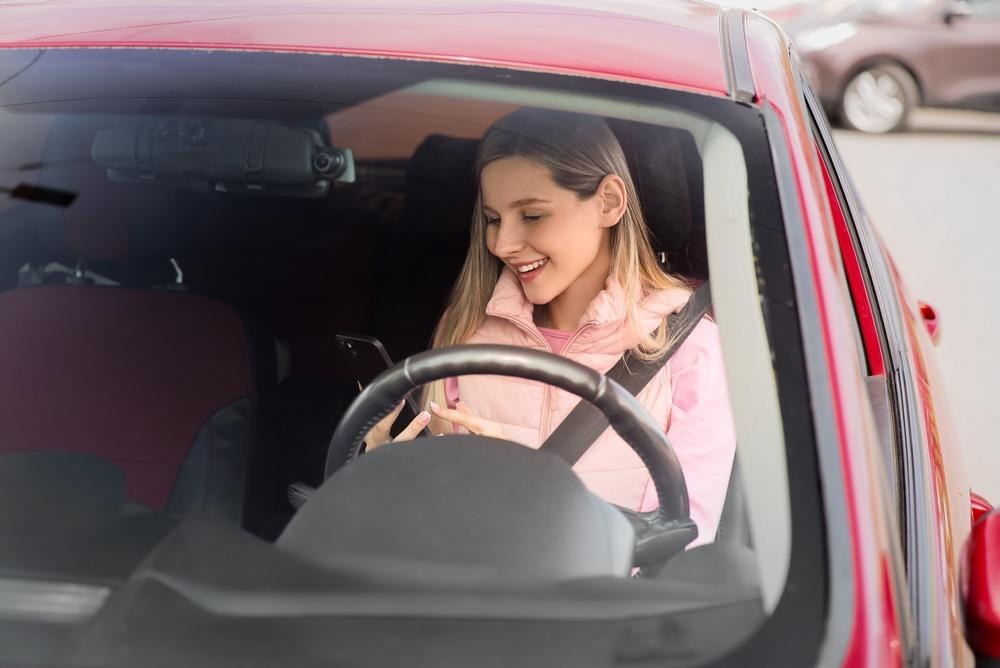
A flashing police light, a damaged car, or a crowd gathered beside the road can catch any driver's eye. But a quick look away from traffic can turn an ordinary drive into a serious accident. Roads demand attention, even when something unusual happens nearby.
A driver cannot simply forget the traffic around them because something more interesting appears outside the vehicle. If someone gets hurt because another driver was watching a roadside event, questions about responsibility soon follow. Knowing when to contact a distracted driving attorney can help injured people understand their options after such a crash.
Table of Contents
How Roadside Events Can Distract Drivers
Roadside events can take a driver's attention away from the road without warning. An accident involving damaged vehicles may cause nearby drivers to slow down and look. Police activity, emergency vehicles, roadside arguments, and large public gatherings can have the same effect. Even roadwork can pull attention away from moving traffic.
Some drivers turn their heads to watch what is happening, while others reduce their speed without checking the vehicles behind them. A few may even pick up their phones to record the scene. These actions can create danger for everyone nearby. A vehicle may drift into another lane, hit a car ahead, or strike someone crossing the road. The roadside event may attract attention, but drivers still need to watch traffic and control their vehicles.
Who Can Be Held Responsible for the Accident?
Liability depends on what happened before the crash and how each person acted. A driver who looks away from traffic may be responsible if that distraction causes an accident. However, not every crash near a roadside event has one clear cause. Other actions may also play a part.
The Distracted Driver
Drivers must pay attention to the road and keep control of their vehicles. Watching a roadside accident, looking at police activity, or recording an event while driving can take their eyes away from traffic. Even a short distraction may leave too little time to stop or avoid another vehicle.
For example, a driver may suddenly brake after noticing a roadside emergency. The vehicle behind may then crash into it. Investigators may look at the driver's actions, road conditions, speed, and distance between vehicles to understand what caused the collision.
Other Parties Who May Share Responsibility
Sometimes, another person or business may also have played a part in the accident. For example, a driver may make an unsafe lane change while trying to view a roadside event. A construction company may create a dangerous road condition through poor warning signs or traffic control.
However, simply being present near an accident or roadside activity does not make someone responsible for another crash. The actions of each party must be considered along with the available facts.
What Evidence Helps Establish Who Was at Fault?
Finding out who caused a crash often requires more than listening to the drivers involved. Each person may describe the event differently, so clear evidence can help build a better picture of what happened. Photos, videos, and witness accounts may show how the vehicles moved before the collision.
Useful evidence may include:
- Dashcam footage: It may show what happened before the crash and where the vehicles were positioned.
- Security camera videos: Nearby homes, shops, or businesses may have recorded the road.
- Witness statements: People who saw the accident may describe how it happened.
- Police reports: These may contain details about the scene, vehicles, and people involved.
- Vehicle damage and photographs: These may help show the direction and force of the impact.
- Phone records: When legally available, these may help establish whether a driver was using a phone.
Keeping these records together can make the events easier to review.
How Comparative Fault Rules Can Affect a Claim
Many states follow comparative negligence laws, which allow more than one person to share responsibility for an accident. The percentage of fault assigned to each person can affect the amount of compensation available. Depending on the applicable state law, an injured person's compensation may be reduced based on their share of responsibility, and certain laws may limit or prevent recovery if their percentage of fault reaches a specific threshold.
For example, if an injured person is found 20% responsible for a crash and their total damages are $50,000, their potential compensation may be reduced to $40,000. However, the rules and thresholds vary by state.
These rules matter because a driver distracted by a roadside event may not be the only person whose actions contributed to the collision. Another driver may have been speeding, following too closely, or changing lanes carelessly. Reviewing the available evidence can help establish how responsibility should be divided under the applicable law.
Steps to Take After an Accident Caused by Roadside Distraction
After a crash, safety should come first. Once immediate danger is under control, certain steps can help protect important information about the accident.
- Move to a safe place if possible and call emergency services.
- Get medical care, even if an injury does not seem serious.
- Take pictures of the vehicles, road, and nearby conditions.
- Collect names and contact details of witnesses.
- Keep copies of medical records, police reports, and insurance messages.
Avoid guessing about fault or making statements that do not match what happened.
Final Thoughts on Roadside Distraction and Liability
A roadside event may catch a driver's attention, but it does not remove their responsibility to watch the road and control their vehicle. A quick look at a distracted accident, police activity, or roadside gathering can lead to serious consequences for other road users. However, deciding who is responsible requires a close look at the actions of everyone involved, the road conditions, and the available evidence.
If you have been injured in such a collision, you can contact a distracted driving attorney to discuss the details of the accident and learn about the options available under state law. Keeping proper records and understanding how fault is assessed can also help make the claim process clearer.