

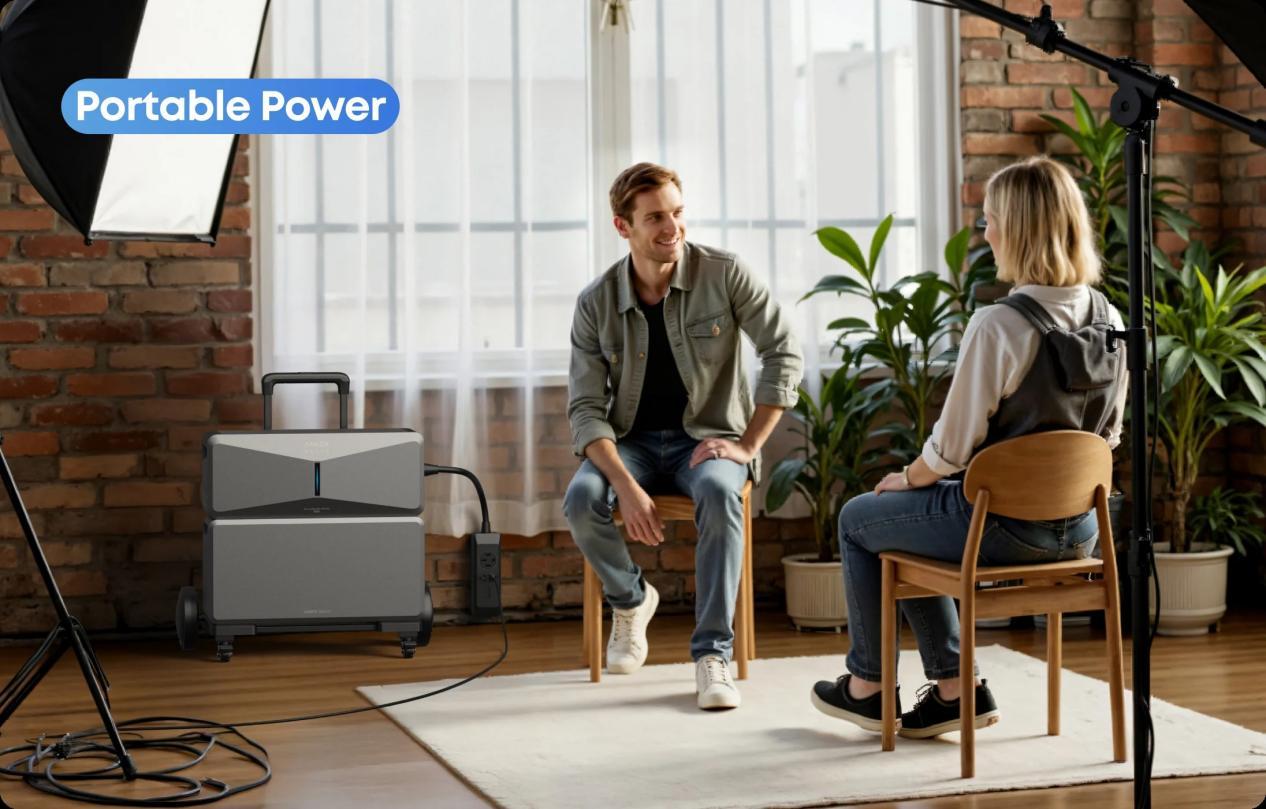
A home battery backup can keep selected appliances running during an outage, but renters must consider more than capacity. Portable and fixed systems differ in installation, output, and ease of relocation. Renters often need equipment they can use without permanent changes, while fixed systems may support greater household demand. The right choice depends on essential appliances, outage duration, lease terms, and whether the owner approves electrical work. Compare installation needs, portability, and usable energy before making a commitment.
Table of Contents
Portable vs. Fixed Home Battery Backup: Key Differences
How Portable Home Battery Backup Systems Work
Portable systems store electricity in a rechargeable battery and supply power through built-in outlets or compatible output ports. You can plug in selected appliances directly, then recharge the unit from a wall outlet, compatible solar panels, or another supported source. Most setups require little or no permanent alteration to the property. Capacity and output vary, so check both the total energy stored and the maximum power available to connected devices.
What Fixed Home Battery Backup Systems Offer
Fixed systems are installed at a designated location and may connect to selected circuits or a home’s electrical panel through approved equipment. They can support larger loads and may switch to backup power automatically when configured. Installation usually requires planning, electrical work, and property-owner permission. Capacity, transfer behavior, and supported loads depend on the system and installation design.
Comparing Power Capacity, Runtime, and Charging Options
Compare usable capacity in kilowatt-hours, continuous output in watts, and any surge rating. Capacity estimates runtime; output determines which appliances can run together. Portable units are easy to move and may support solar charging, but output can be limited. Fixed systems may support more circuits and larger batteries, though charging and expansion options depend on the equipment and electrical setup.
Installation, Landlord Approval, and Moving Requirements
Why Portable Battery Backup Suits Most Rental Situations
A portable home battery backup suits many rentals because it usually avoids permanent wiring changes and can move with the tenant. It can power devices such as routers, lights, phones, and small appliances through its own outlets. Before buying, check the unit’s weight, storage needs, and output for your essential loads. Follow the manual, and never connect a portable unit to household wiring through a wall outlet.
What Landlord Permission Fixed Battery Installation May Require
A fixed battery may require mounting hardware, new circuits, panel changes, or wall penetrations, so obtain written landlord approval before work begins. The owner may also require licensed installers, permits, insurance, and agreement on repair or removal costs. Confirm whether the system stays with the property or belongs to you when the lease ends. A plug-in connection does not automatically remove approval or safety requirements.
Moving to a New Rental: Which System Is Easier to Take Along?
Portable systems are usually easier to take when moving because they are designed to be disconnected and transported, subject to weight and handling instructions. Keep cables and manuals, and check any transport restrictions. A fixed battery may require a professional to disconnect it, repair mounting points, and prepare it for transport; the new rental may need separate approval and installation. Include removal and reinstallation costs in your decision.
How to Choose the Right Backup System for Your Rental Home
Choose Portable Backup for Flexibility and Short Outages
Choose a portable unit when you need to keep a few essential devices running through brief outages and want to avoid permanent changes. Add the wattage of devices you may use at once, then estimate energy needs by multiplying each device’s watts by expected hours of use. Allow for conversion losses and startup surges. If you rent short-term or expect to move, portability may outweigh the benefits of a larger installed system.
Consider Fixed Backup for Higher Power Needs and Longer Outages
A fixed system is worth considering when you need multiple household circuits, larger appliances, or longer outage coverage and expect to stay in the property. The The Anker SOLIX E10 whole-home backup power system features a plug-and-play design engineered to accelerate installation and expansion—allowing for setup and scaling in just hours, rather than days. Confirm the exact configuration, property wiring, installation requirements, and landlord approval. Ask a qualified electrician to verify suitability before purchase.
Check Electrical Safety, Warranty Terms, and Future Housing Plans
Use battery equipment according to its manual, keep it dry and ventilated as specified, and avoid overloaded outlets or unapproved extensions. For fixed systems, use qualified installers and follow applicable codes, permits, and inspections. Read warranty terms to see whether relocation, third-party installation, or rental use affects coverage. Consider how long you expect to stay, whether the owner will approve removal, and whether the system can meet your needs at a future address.
Conclusion
For renters who need backup for a few devices, a portable battery is often the simplest option to move and use without permanent property changes. A fixed system can suit higher power demands or longer outages, but only after the landlord approves the work and an installer confirms the electrical design. Compare usable capacity, continuous output, recharge options, safety requirements, and moving costs before deciding. The right system is one you can use safely and legally in your rental.
1 thought on “Portable vs. Fixed Home Battery Backup for Rental Homes”
Comments are closed.