

Using a solar generator safely comes down to three rules: do not overload it, keep it within its temperature limits, and do not leave it charging unattended. The rules are simple, but they are easy to break in the middle of an outage when the household is tired and improvising. Understanding why each rule exists makes it easier to follow and easier to teach. This article explains the three rules and the common mistakes that break them. The rules are not restrictions for their own sake; each one protects the unit and the people around it. Learn the reason, and the rule is easier to remember. That is the idea.
Table of Contents
Do Not Overload
Add up rated wattage and compare with rated output
Overloading starts with arithmetic. Add up the rated wattage of everything you want to run, and compare the total with the unit's continuous output. Anyone asking how many watt generator to run a house should do this before the first device is plugged in, because the label on the unit is a limit, not a suggestion. A unit that is run at its limit for hours will heat up and eventually shut down. Leave headroom for the devices that cycle on and off. A written list on the unit is the simplest safeguard, because it removes the need to add numbers in the dark. Tape it to the side and update it when the devices change. Do it once.
Mind Starting Surge and Don't Chain Power Strips
The starting surge is the part people forget. A fridge, a furnace, or a heater can draw several times its running wattage for a second, and that second is enough to trip the output. Add the largest surge to the running total, and never chain power strips to spread the load across more outlets. The strips do not add capacity; they just hide the total. One unit, one strip, and a written list is the safe arrangement. A soft-start plug can tame a motor's surge, and a dedicated outlet can keep the heavy load off the strip. Both are small changes with a large effect. Use them.
Stay Within Temperature Limits
Avoid hot cars, direct sun, and heat sources
Temperature limits are the second rule. A unit left in a hot car, in direct sun, or beside a heater will throttle or shut down, and the battery ages faster. Keep it in the shade, away from heat sources, and never cover the vents. In winter, bring it indoors before charging, because a cold pack may refuse to accept a charge. The operating range is printed on the unit and in the manual; respect both ends of it. A unit that is cold-soaked may need an hour indoors before it will charge, so plan the warm-up. A unit that is hot may need the same time to cool. Be patient.
Keep vents clear and never cover the unit
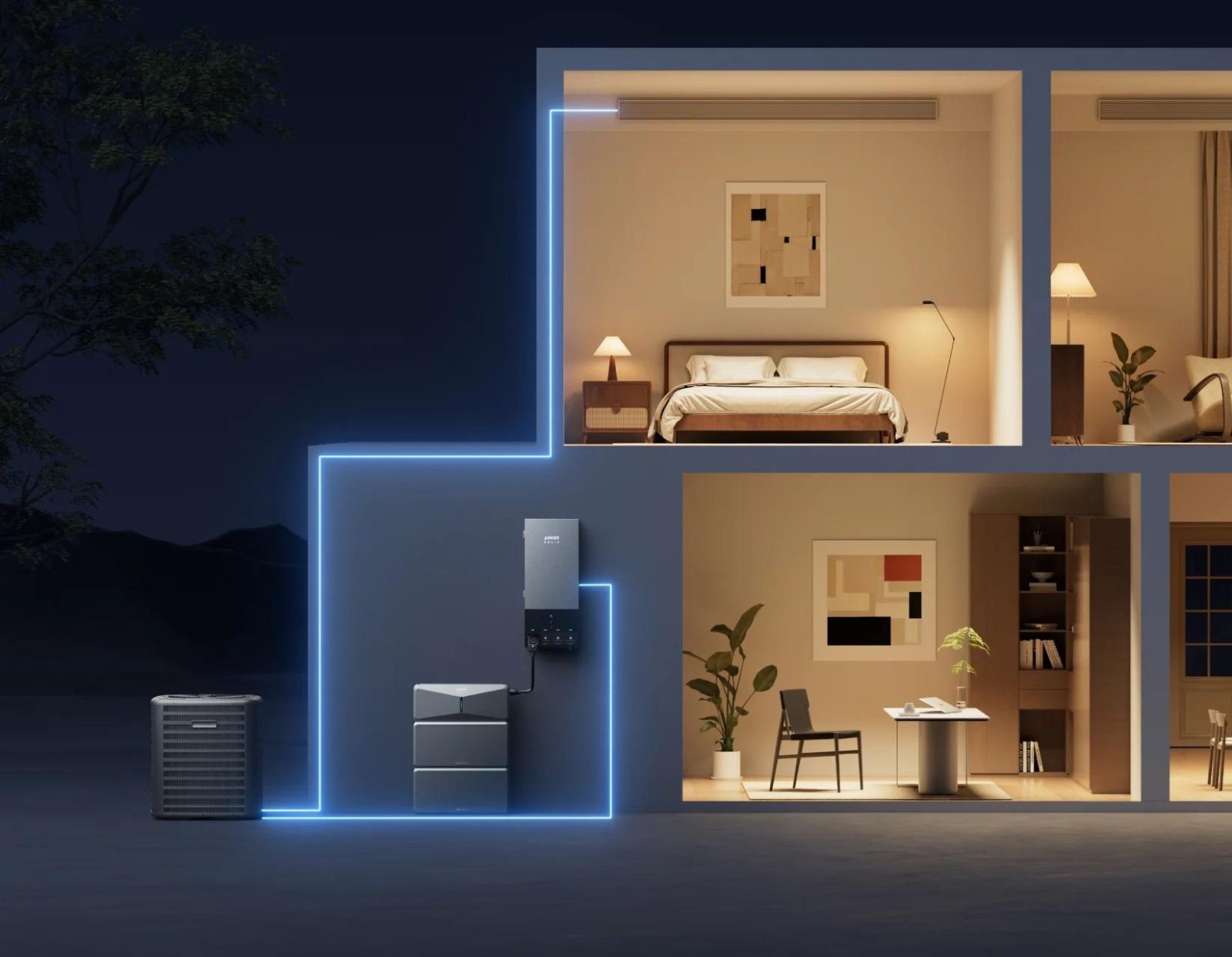
Ventilation is part of the temperature rule. The Anker SOLIX E10 Whole-Home Backup is built with a NEMA Type 4 (IP66) enclosure and a rated range of -4 °F to 131 °F—a genuinely rugged spec for a whole-home backup. Even so, a sealed case still needs airflow to shed heat, so leave a hand's width on every vented side, vacuum the grilles, and keep the unit off thick carpet. A covered unit is a unit that will throttle, and a throttled unit is one that cannot carry the load. A breathable cover keeps dust out without sealing the vents, which is the right compromise for a garage. A sealed cover is a mistake. It matters in a dusty spot.
Do Not Charge Unattended
Unplug once full even with BMS protection
Unattended charging is the third rule. Even with a capable battery management system, a charger or a cable can fail, and a failure that happens while no one is home is worse than one that happens while someone is watching. Unplug the unit once it is full, and avoid charging overnight in a room where no one sleeps. The BMS is a backup, not a substitute for attention. A timer on the charger is a simple way to avoid overcharging, even though the BMS should handle it. The timer is a second layer, and second layers are what make a system reliable. Add one.
Charge and Discharge: Mind the Shared AC Output Limit
The last detail is the AC output limit while charging. A unit that is charging and powering a load at the same time has to share its capacity, and the output may drop. Check the manual for the pass-through rating, and avoid running a heavy load while the unit is replenishing. If the household needs both, charge first and run the load later. The order makes the difference between a smooth outage and a tripped unit. A unit that is charging and running a heater at the same time may derate the output without warning. Check the display, and reduce the load if the output drops. Watch it.
Conclusion
Power, temperature, and charging are the three rules, and each one protects a different part of the system. Do not overload the output, keep the unit within its temperature range, and do not leave it charging unattended. The rules are simple, but they only work when they become habits. A household that follows them will get more years and more reliable service from the same unit. The three rules are simple, but simple is not the same as automatic. Put the list on the unit, keep the vents clear, and unplug when full. The habits take a few seconds and add years to the product. The rules are simple, and the habits are small. Together they are what keep a unit working year after year, long after the manual has been lost.