

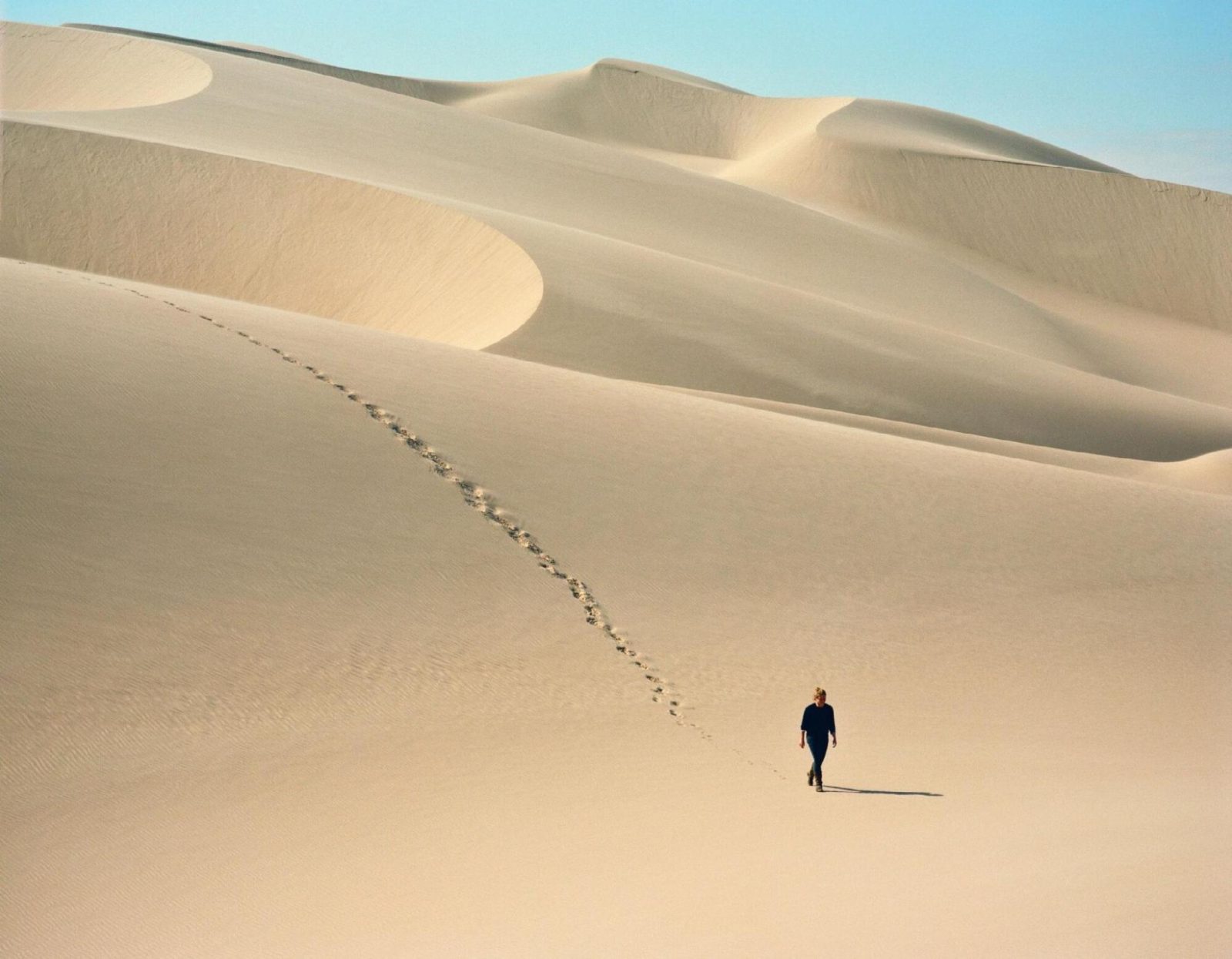
Travel has traditionally been about reaching a destination, whether that means exploring a famous city, relaxing on a remote beach or visiting a celebrated landmark.
Expedition travel offers a different perspective. Here, the journey itself becomes the experience, shaped by wild landscapes, unexpected encounters and the freedom to explore places that remain largely untouched.
From navigating polar waters to tracking wildlife across remote wilderness, these journeys appeal to travellers who want to understand the world beyond its familiar highlights.
Table of Contents
Discovering the Polar Regions
Few environments capture the imagination quite like the Arctic and Antarctica. Vast glaciers, towering icebergs and extraordinary wildlife create landscapes that feel far removed from everyday life.
Expedition voyages provide opportunities to explore these regions with experienced guides, naturalists and specialists who bring the environment to life. In Svalbard, travellers might observe walruses resting along the shoreline or search for Arctic foxes across the tundra. Further south, Antarctica offers encounters with penguin colonies, seals and whales moving through icy waters.
Unlike conventional cruises, expedition journeys are often shaped by changing sea ice, weather and wildlife movements. An unexpected sighting or a newly accessible landing site can transform the day's plans, making flexibility an essential part of the experience.
Wildlife Encounters Beyond the Ordinary
Some of the most rewarding journeys begin with a simple desire to see wildlife in its natural environment.
In Botswana's Okavango Delta, exploring waterways by traditional mokoro canoe offers a quieter perspective on the surrounding ecosystem. In Patagonia, guided treks reveal landscapes inhabited by guanacos, condors and other remarkable species. Elsewhere, specialist guides help travellers understand animal behaviour, conservation challenges and the relationships between wildlife and local communities.
These encounters require patience. Animals rarely appear on schedule, and the anticipation of searching can be as rewarding as the sighting itself.
Responsible expedition travel also places importance on minimising disturbance, respecting protected habitats and supporting conservation initiatives wherever possible.
The Appeal of Experimental Travel
For travellers increasingly drawn to experimental travel, expeditions offer an opportunity to move beyond predictable itineraries and discover destinations through direct experience.
This might mean camping in a remote desert, learning traditional navigation techniques, following ancient trails with local guides or spending several days exploring a region that has few established tourist routes.
The defining feature is not simply novelty. It is the opportunity to engage with unfamiliar environments, learn new skills and gain a more personal understanding of a destination.
These experiences can also challenge assumptions about comfort and convenience. A day dictated by the weather or a route altered by local conditions encourages travellers to embrace uncertainty rather than regard it as an inconvenience.
When the Journey Matters as Much as the Destination
Expedition travel often requires a slower pace than conventional holidays. Distances can be considerable, conditions unpredictable and opportunities dependent on nature.
Rather than moving rapidly between attractions, travellers have time to observe subtle changes in the landscape, learn from knowledgeable guides and appreciate the scale of the environment around them.
Specialist vessels, remote lodges and carefully planned overland journeys can provide comfort without removing the sense of exploration. The balance between preparation and spontaneity is what makes these experiences so distinctive.
A Different Perspective on the World
The appeal of expedition travel extends beyond reaching remote places. It lies in the perspective gained along the way.
Witnessing a glacier, observing wildlife in an undisturbed habitat or meeting communities whose lives are closely connected to their surroundings can deepen an appreciation of the natural and cultural diversity of our planet.
For travellers seeking more than a conventional itinerary, expeditions offer a way to approach the world with curiosity, humility and a willingness to embrace the unexpected. Sometimes, the most significant discoveries are not the places reached, but the things learnt along the way.