

Choosing an all-day battery phone in 2026 sounds straightforward until you start comparing the numbers. One handset advertises a huge battery, another promises hours of video playback, and a third highlights lightning-fast charging. Which will actually get you from leaving home to plugging in at bedtime?
In this guide, we explain what to look for in an all-day battery smartphone comparison, from test conditions to screen-on time. You’ll learn how to relate those results to your routine and choose a phone with enough charge left for unexpected plans.
Table of Contents
Key Takeaways
- Choose an all-day battery phone based on your hours away from a socket and your usual workload, not just battery capacity.
- Compare results from the same test method, checking brightness, network connection, refresh rate, and which screen was used.
- Screen-on time and total time between charges describe different things; neither tells the whole story alone.
- Fast charging adds flexibility, but dependable endurance matters when charging opportunities are limited. For foldables, look for evidence covering the inner screen.
What Does All-Day Battery Life Actually Mean?
A phone that lasts all day should cover your usual routine, with some charge left for unexpected plans. Leaving home at 7 am and plugging in at 10 pm covers 15 hours, including time when your phone is resting.
Battery figures can describe different experiences:
- Mixed-use battery life includes calls, browsing, and idle periods.
- Screen-on time counts time with the display active, whether you’re reading or gaming.
- Continuous high-load use involves demanding activities, such as gaming or video calls, with little downtime.
Think about how you actually use your phone before deciding whether a battery claim suits your day.
What Affects a Phone’s Battery Life?
A phone with long battery life can still run low sooner on a demanding day. Battery capacity sets the starting point, but the screen, software, reception, and your daily activities shape how far that charge goes.
Battery Capacity
A larger battery gives a phone more charge to work with. Capacity is usually listed in milliamp-hours (mAh): a 6,000mAh battery holds 20% more electrical charge than a 5,000mAh battery. That extra reserve can be welcome when you leave home early and have a long day ahead.
It doesn’t automatically mean 20% longer battery life, though. The phones may have different displays, processors, and power demands. Think of capacity as the available supply; how quickly the phone uses it determines when you’ll need a charger.
Processor and Software Efficiency
Opening a message and editing a video ask very different things of a phone. An efficient processor can handle lighter tasks economically while providing more performance when needed. That balance helps explain why a powerful phone can also offer long battery life.
Some energy use continues after you put the phone down. Apps may sync photos, download content, or update information in the background. Software that manages this activity well can reduce unnecessary drain between uses. Two phones with similar battery capacities can therefore reach the evening with different amounts of charge remaining.
Display Size, Brightness, and Refresh Rate
A large screen makes documents easier to read and films more enjoyable, but keeping it brightly lit takes energy. An afternoon using maps outdoors can place more demand on the display than reading indoors at a comfortable brightness. Screen size alone doesn’t tell the whole story; brightness and display technology matter, too.
Refresh rate adds another variable. A 120Hz display can refresh up to 120 times per second, compared with 60 times at 60Hz, moving look smoother. This doesn’t mean twice the battery consumption. Adaptive displays can lower their refresh rate when the content needs fewer updates, helping avoid unnecessary power use while you read or view a still image.
Usage Intensity and Signal Strength
Consider a half-hour video call: the screen, camera, microphone, and network connection are working together. Sending a few messages over the same half-hour leaves much more time for the phone to rest. Both count as everyday use, but they place very different demands on the battery.
Reception can change the picture even when your habits stay the same. In weak coverage, maintaining or searching for a connection can increase power consumption. That helps explain why a train journey through patchy reception may drain more battery than a similar browsing session at home over reliable Wi-Fi.
Can Foldable Phones Deliver All-Day Battery Life?
Yes, modern foldable phones can deliver reliable all-day battery life, thanks to high-capacity batteries, energy-efficient processors, and intelligent power management. Many foldable smartphones can comfortably handle everyday activities such as messaging, browsing, video streaming, photography, and multitasking without frequent recharging.
However, actual battery life depends on several factors, including screen brightness, how often you use the larger inner display, network connectivity, and demanding activities like gaming or video editing.
Advanced battery technologies and software optimization have also improved power efficiency in newer foldable smartphones. Many HONOR folding phones support fast wired and wireless charging, making it convenient to replenish power when needed. With the right settings and usage habits, you can enjoy the flexibility of a foldable phone without compromising everyday battery performance.
How to Choose a Phone That Lasts All Day
Finding a phone with all-day battery life requires more than comparing battery sizes. Focus on how long the phone lasts during everyday activities, how efficiently it uses power, and how quickly it recharges. Here are five practical factors to consider when choosing a smartphone that keeps up with your daily routine.
Match Battery Life to Your Daily Needs
Start by considering how you use your phone throughout the day. If you mainly check messages, browse websites, and make occasional calls, a phone with moderate battery endurance may be sufficient. However, frequent gaming, video calls, GPS navigation, and streaming require more power.
Check your current phone’s battery usage settings to identify your most demanding apps and average screen-on time. Then look for smartphone battery reviews that test similar activities. Ideally, choose a phone that can handle your typical day with at least 15–20% charge remaining.
Look Beyond Battery Capacity
Battery capacity, measured in milliamp-hours (mAh), provides a useful starting point. A 6,000mAh battery generally stores more energy than a 5,000mAh battery of similar voltage, but that does not automatically mean longer runtime.
Screen size, processor efficiency, software optimisation, and background activity all affect power consumption. Compare capacity with independent battery test results to find a phone that lasts all day. For foldable phones, check whether tests measure battery life with the larger inner display or the cover screen.
Compare Battery Tests Under Similar Conditions
Use consistent test results when comparing phones. Check whether reviewers tested web browsing, video playback, gaming, or mixed daily use, and whether they used Wi-Fi or mobile data. A phone that lasts 20 hours in a video test may not outperform one that lasts 15 hours browsing the web.
For a more realistic comparison, prioritise tests that resemble your routine. If you frequently travel, look for results involving mobile data, navigation, and screen use rather than relying on video playback figures alone.
Check Screen-On Time and Remaining Charge
Look at screen-on time alongside total time unplugged and remaining battery percentage. A phone used actively for six hours before bedtime has demonstrated more sustained use than one that reaches the same point after only two hours of screen time.
A smartphone that lasts all day should also leave enough charge for unexpected calls, extra travel, or evening entertainment. When comparing two phones under similar conditions, the one finishing with 20% battery remaining offers a larger reserve than one reaching 5%.
Consider Charging Speed and Compatibility
Charging speed matters when you have limited time to recharge. Compare how much battery each phone gains after 15 or 30 minutes, using compatible chargers and similar starting battery levels. This gives you a more practical measure than advertised peak charging wattage alone.
If you often spend long days away from power outlets, prioritise battery endurance over charging speed. If you can recharge during lunch or between meetings, faster charging can provide useful flexibility. The best choice balances dependable runtime with charging convenience.
How the HONOR Magic V6 Supports All-Day Battery Life
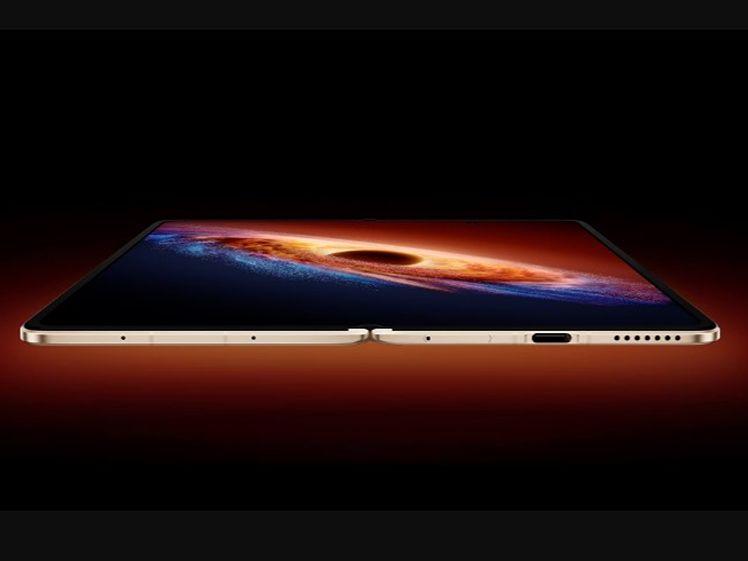
A foldable’s large screen is most useful when you feel comfortable opening it throughout the day. The HONOR Magic V6 brings together a substantial battery, adaptive displays, and flexible charging to support that everyday appeal.
6660mAh Silicon-Carbon Battery
If you enjoy having more room for reading, watching videos, or working across apps, battery capacity becomes especially relevant. The HONOR Magic V6 has a 6,660mAh typical-capacity silicon-carbon battery, giving it a substantial energy reserve within its slim folding design.
For someone choosing a foldable for its inner screen, that combination is appealing: a spacious workspace you can carry comfortably. How long the charge lasts will still depend on what you do with it, which makes the inner-screen evaluation particularly useful.
24-Hour Inner-Screen Battery Evaluation
Whether you’re reading a document or settling in with a film, you’ll want to enjoy the larger display without constantly watching the battery percentage. The HONOR Magic V6 has passed TÜV Rheinland’s 24-hour battery life evaluation under comprehensive scenarios, supporting its appeal for regular inner-screen use.
In our laboratory testing, the phone retained 40% charge in its unfolded state after 24 hours of mainstream app use over WLAN and wireless networks, with screen brightness set to 120 nits. This offers a useful picture of its endurance under controlled conditions, though your everyday battery life will vary with how you use the phone.
Adaptive LTPO Displays
Your screen does different things throughout the day. Scrolling through photos benefits from fluid movement, while reading a page gives the display less to update. Both HONOR Magic V6 screens support an adaptive 1–120Hz LTPO refresh range, allowing the refresh rate to adjust to the content.
That flexibility can help give a foldable phone all-day battery life by reducing screen power use when a high refresh rate offers little benefit. While you pause to read a document, the display can slow its refresh rate, then increase it again as you scroll. The adjustment happens in the background as you use the phone.
Snapdragon 8 Elite Gen 5 and Power Efficiency
Opening several apps on a foldable gives its processor plenty to handle. The HONOR Magic V6 uses the Snapdragon 8 Elite Gen 5, a platform that Qualcomm designed around improvements in both performance and power efficiency. That makes it relevant to people who want responsive multitasking alongside long battery life.
The benefit you experience depends on the whole phone, including its software and cooling. Longer gaming sessions and demanding apps will still draw more power, so everyday endurance needs to be judged at the device level.
80W Wired and 66W Wireless Charging
Some days run longer than expected, making convenient charging options especially useful. For those looking for a phone for all-day use, the HONOR Magic V6 supports up to 80W wired and 66W wireless HONOR SuperCharge, offering flexibility whether you prefer plugging in or using a compatible wireless charging stand.
With a compatible HONOR SuperCharge charger, you can enjoy up to 80W wired or 66W wireless charging, while the HONOR Magic V6 automatically adjusts charging power throughout the session. If quick top-ups are part of your routine, check the accessories you need alongside measured charging times to see how comfortably the phone fits into your day.
YouTube Video
Conclusion
Choosing a phone for all-day use starts with knowing what your day asks of it. Think about your commute, the apps you rely on, and how often you can recharge. Then look for battery tests that reflect those habits, paying attention to screen settings and network conditions.
A larger battery and efficient hardware can help, while fast charging adds flexibility when time is short. Give yourself some room for unexpected plans, too. The right choice should let you finish a busy day with enough charge to get home comfortably, without constantly checking the battery percentage.
FAQs
Is a 6000mAh battery enough for all-day use?
A 6000mAh battery can be enough for a day of messaging, calls, browsing, and occasional videos. Spend hours gaming or navigating with the screen bright, though, and that charge has much further to stretch. Before buying, check reviews covering similar use, ideally with battery remaining at bedtime. Capacity alone cannot tell you whether it will cover your routine.
Does a larger battery always last longer?
Not always. A bigger battery holds more charge, but a bright, spacious screen or demanding processor can use that reserve quickly. To find a phone with long battery life, compare models tested under the same conditions. A smaller battery paired with efficient hardware and software can outlast a larger one, so measured runtime deserves more attention than capacity alone.
Should I prioritise battery life or fast charging?
Prioritise battery life if you spend long periods away from sockets. Fast charging becomes more valuable when short, predictable charging breaks fit your routine. Ideally, choose sufficient endurance first, then compare recharge times and accessory requirements. A high charging wattage is only helpful when suitable equipment is available.
Will battery ageing affect all-day battery life?
Yes. Rechargeable batteries gradually lose usable capacity, which can shorten the time between charges. Ageing depends on factors including charge cycles, temperature, and use. If you plan to keep a phone for several years, allow some endurance headroom and check the manufacturer’s battery replacement options before buying.
[a]alt: Slim foldable phone
Source: https://www.honor.com/uk/phones/honor-magic-v6/
[b]alt: HONOR Magic V6
Source: https://www.honor.com/uk/phones/honor-magic-v6/