

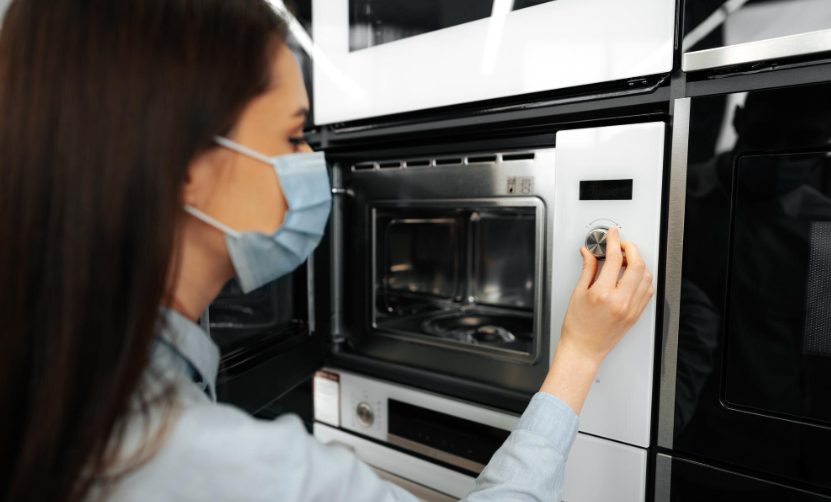
An oven is one of the most useful appliances in a modern kitchen. It can be used for much more than baking cakes or roasting meat. From preparing quick weekday meals to making food for family gatherings, a good oven can make cooking easier and more convenient.
With so many oven models available, choosing the right one can sometimes feel confusing. Different ovens come with different cooking functions, sizes, controls, and energy requirements. When shopping for an oven in Singapore, comparing features, energy efficiency, and available kitchen space can help you select a model that suits your cooking habits and household needs. Some are designed for people who enjoy baking, while others are better suited to everyday cooking. The right choice depends on how often you cook, what types of food you usually prepare, and how much space you have in your kitchen.
Understanding the main features of an oven can make the buying process much simpler. Instead of choosing a model based only on its appearance or price, it helps to think about how the appliance will fit into your daily routine.
Table of Contents
Consider How You Usually Cook
Before choosing an oven, think about the types of meals you normally prepare. Your cooking habits can tell you which features are actually useful and which ones you may rarely need.
Someone who enjoys baking bread, cakes, biscuits, and pastries may want an oven with accurate temperature controls and even heat distribution. A person who mainly prepares roasted vegetables, chicken, or simple baked meals may not need as many specialised functions.
It is also worth considering how often you cook. If the oven is going to be used several times a week, investing in a reliable model with useful functions can make sense. If you only use an oven occasionally, a simple model may be enough.
Thinking about your normal cooking routine before shopping can help you avoid paying for features that you will not use.
Choosing the Right Oven Size
Oven size is another important consideration. A model that looks suitable in a showroom may not fit comfortably into your kitchen once you take measurements into account.
Start by measuring the available space where the oven will be installed. Check the width, height, and depth rather than relying on general size descriptions. It is also important to consider ventilation and the surrounding cabinets.
The internal capacity matters as well. A smaller oven can be suitable for simple meals and smaller households, while a larger oven may be more practical when cooking for several people.
A larger cooking cavity can also be useful when preparing several dishes at once. However, choosing the biggest model available is not always the best option. A larger oven can take up more space and may consume more energy depending on how it is used.
The best size is one that suits both your kitchen and your normal cooking needs.
Built-In or Freestanding Oven
Ovens generally come in different installation styles, with built-in and freestanding models being common choices.
A built-in oven is installed into a kitchen cabinet or dedicated space. It can create a neat appearance and works well with modern kitchen layouts. Since it is fitted into the cabinetry, careful measurements are needed before installation.
A freestanding oven combines the oven and cooking hob in one appliance. This can be useful for kitchens where a separate built-in oven and hob are not practical. It can also be easier to replace if you decide to change your appliance later.
Your kitchen design will usually play a large role in this decision. Consider the available space, existing cabinets, and how you want the kitchen to look before selecting an oven style.
Understanding Oven Cooking Functions
Modern ovens can offer a range of cooking functions. While having more options can be useful, it does not necessarily mean that every function is important.
Conventional heating uses heating elements to warm the cooking cavity. This basic setting can work well for many everyday dishes.
Fan-assisted cooking uses a fan to circulate hot air around the oven. This can help spread heat more evenly and may be useful when cooking several trays of food.
Grill functions are useful for browning food or cooking dishes that need strong heat from above. This can be helpful when preparing cheese-topped meals, grilled vegetables, or certain types of meat.
Some ovens also include functions designed specifically for baking, roasting, defrosting, or keeping food warm. More advanced models may have specialised cooking programmes that automatically adjust temperature and cooking time.
It is useful to look at these functions carefully rather than choosing an oven simply because it has a long list of settings. Choose features that match the way you actually cook.
Temperature Control Matters
Good temperature control can make a noticeable difference when cooking. Some dishes require steady heat, while others are more forgiving.
Baking is particularly sensitive to temperature. A small difference in heat can affect the texture and appearance of cakes, bread, pastries, and other baked foods.
An oven with clear and easy-to-use temperature controls can make cooking more convenient. Digital controls may provide more precise settings, while traditional knobs can be simple and familiar.
Whatever type of control you prefer, make sure it is easy to read and adjust. Complicated controls can become frustrating when you are trying to change the temperature during cooking.
Choose Features That You Will Actually Use
It can be tempting to choose an oven with every available feature. However, more functions do not always mean a better experience.
Think about the meals you prepare most often. If you regularly bake, focus on temperature accuracy and even heat. If you roast food often, look for suitable roasting and fan functions. If cleaning is a major concern, prioritise features that make maintenance easier.
The best oven is usually the one that fits your lifestyle rather than the one with the longest feature list.
Making the Final Decision
Choosing an oven does not have to be complicated. Start with the basics, including the available space, cooking habits, preferred oven type, capacity, and budget.
From there, compare the features that matter most to you. Pay attention to temperature control, heat distribution, cleaning, energy use, safety, and ease of operation.
It is also useful to read the manufacturer's information carefully and understand the installation requirements before making a purchase.
An oven is an appliance that can remain in a kitchen for many years, so taking time to choose carefully can make a real difference. A suitable model should be reliable, practical, easy to use, and capable of handling the meals you regularly prepare.
Whether you enjoy baking on weekends, preparing simple family meals, or cooking larger dishes for gatherings, the right oven can make everyday cooking more convenient. Rather than focusing only on appearance or extra features, choose an appliance that matches your kitchen, your cooking style, and the way you actually use your space.