

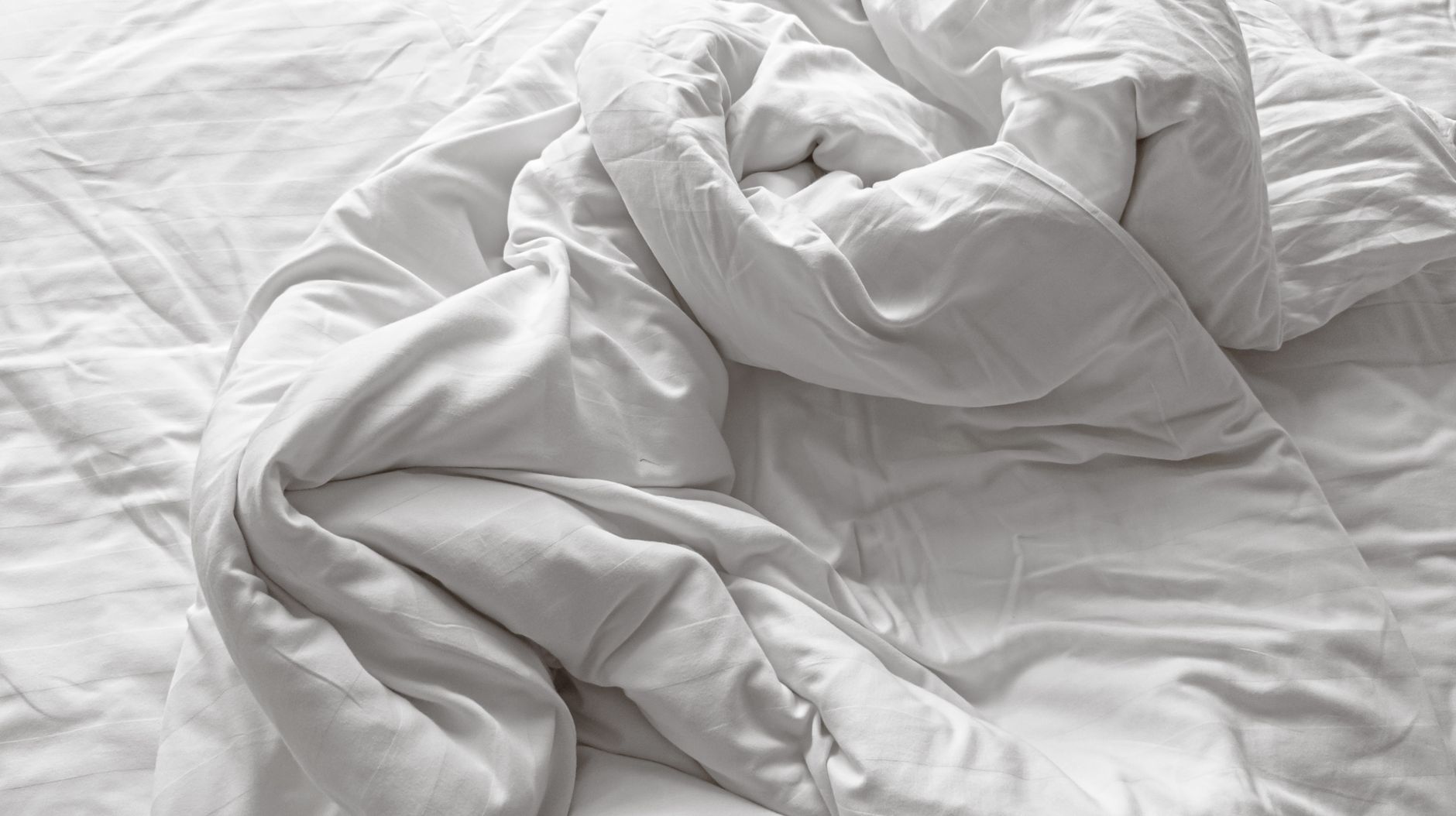
A duvet cover can change how your entire bed feels. They're placed next to your skin; they determine how you feel about being too hot or cold while sleeping and ultimately have an impact on how polished your bedroom looks. Therefore, when you see a duvet cover that says "100% Egyptian cotton," it would be a good idea to do some research into whether or not the item is as high quality as the label says. Although Egyptian cotton has a long history as being among the high-quality types of cotton used for high-end bedding products, simply labeling a duvet cover with "Egyptian cotton" does not provide you with a complete picture.
There are several things to consider, i.e., quality of cotton, fiber length, type of weaving process, construction of the duvet cover, size of the duvet cover, finish, etc., which can vary widely depending on what you are purchasing and therefore can greatly impact the finished product. Normally, the duvet cover should feel great from the very first night that you use it and should maintain its performance over time despite repeated washing. Additionally, your duvet cover should fit snugly around your duvet without having too many wrinkles or bulges or too many loose areas. If you are currently shopping for a 100% Egyptian cotton duvet cover, here are some key aspects of the duvet cover that you should consider before purchasing it.
Check That the Cotton Is Genuine Egyptian Cotton
First and foremost, it is important to inspect the cotton being used. A lot of buyers miss this first step and put it as the last consideration on their list. Egyptian cotton means the cotton was grown in Egypt; however, you as a shopper need to confirm the actual source of your cotton through verification or third-party certification. The certification process verifies that the cotton has met all of the applicable standards set by the requirements for claiming Egyptian cotton. In addition to providing a clearer understanding of the quality of the cotton, it will give the consumer additional credibility regarding the authenticity of their purchase. Therefore, a reputable bedding manufacturer would provide detailed information related to their cotton usage, rather than requiring a consumer to rely upon speculation. Pure Parima offers a variety of bedding collections utilizing only certified Egyptian cotton. For those consumers who are looking to verify whether their potential purchase utilizes genuine Egyptian cotton, such clarity from a bedding manufacturer can also help make comparisons among products more efficient.
Pay Attention to the Weave
A woven pattern can make a huge difference in how an Egyptian Cotton duvet cover feels. One example is the weave used in Percale, which simply consists of a single layer over another and gives a crisp and lightweight surface. It is very popular among those looking for a fresh feeling as they get into their sheets with an airiness to them. The other example is Sateen, with its own unique structure; it typically gives a smooth and slightly heavier duvet than Percale. Just know that neither weave is necessarily better than the other. Ultimately, it will come down to what you personally are looking for in your bedding. For instance, if you tend to sleep hot or love the feeling of the crispness of newly laundered hotel sheets, then Percale could be a good fit. On the flip side, if you would like a smooth surface but still have some draping quality to your bedding, then Sateen could be a better option. This is why the weave is one of the first things mostly recommended to be checked out after you confirm that the duvet cover is made of Egyptian Cotton.
Consider the Fabric Weight
A quality duvet cover does not necessarily need to feel very heavy to be considered to be a quality one. A quality duvet cover is not determined by high weight. All you have to do is ensure the weight is moderate and meets your needs. Also, have in mind that lightweight fabrics are definitely okay for warmer climates or people who prefer to keep their bedding cool. Heavier fabrics could provide more substance to your bedding as it gets colder. Make sure your choice matches up with the duvet inside. For example, if you have a thick duvet for cold weather paired with an extremely heavy cotton, you'll likely end up sleeping under what seems to be a large blanket. On the other hand, a light duvet paired with a lightweight breathable cotton cover will allow you to maintain a good balance in your bedding choices. Try to take into consideration how hot or cold your bedroom is, as well as your individual sleep preferences, prior to making a decision based on fabric weight.
Make Sure the Size Matches Your Duvet
An attractive duvet cover is typically one that fits perfectly. Check the size of your duvet prior to making a purchase. The measurements of the duvet should be compared to those of the duvet cover. Do not rely only on labels such as “Queen” or “King,” since sizing can vary between brands and regions. When using a duvet cover that is too small, the duvet can be compressed and therefore not allow the filling to be evenly distributed. If a duvet cover is too big, then there will be extra material at all corners and it will create an unattractive look. You can also consider using internal fasteners like corner ties. This is because they help hold the duvet in place. These can actually be small details, but they provide you with comfort knowing the duvet will remain in its correct position throughout the entire evening. And to be on the safe side, measure both the duvet and the duvet cover before ordering to make sure that you are getting the correct fit.
Look at the Construction and Finishing
The quality of a duvet cover is also visible in the small details. Small details like how neatly the seam is stitched or even if the stitching is evenly spaced will ultimately reflect on the performance of the cover for years to come. Take note of what kind of closure has been used at the opening of the duvet. Each different method of closing (button, zipper, etc.) has some benefits and disadvantages. Ultimately, what is most important is that the closure retains the duvet within the cover and continues to function while being washed. Corner ties are another common feature found in many duvet covers. Corner ties can help with the movement of the duvet inside the cover by keeping it evenly distributed throughout. In addition, corner ties can assist in preventing the duvet from bunching up at one end of the bed. Although these details may appear insignificant when you are comparing products via an internet photo comparison, they will become apparent through your continued use.
Table of Contents
Conclusion
Buying a good 100% Egyptian cotton duvet cover actually requires some extra consideration beyond simply looking at the label and selecting the highest thread count available. Try to start by considering the quality of the cotton. Evaluate the fiber quality and the construction of the duvet cover. In fact, consider every single thing about the product you are buying as the selection of these factors will directly influence the feel and performance of the duvet cover. The last factor in determining which duvet cover meets your needs involves your personal sleeping habits. If you are interested in purchasing a 100% Egyptian Cotton Duvet Cover, Pure Parima is a good place to shop. By making sure to use only certified Egyptian cotton and trying to provide a variety of fabrics to choose from, along with offering various luxurious bedding designs, Pure Parima can definitely help you find a duvet cover that looks as good as it makes you feel. Why the wait? Visit Pure Parima's official page to choose from their 100% Egyptian Cotton Duvet Cover collection.
Frequently Asked Questions
What should I look for when looking to buy a 100% Egyptian cotton duvet cover?
You need to really check whether the material is actually original or not and how good the fibers really feel. Check out what size it will be when finished, what type of stitches were used to sew it together, and finally the care instructions. Thread count can also help with comparison, but it should not be your only quality measure.
Is 100% Egyptian cotton really good for a duvet cover?
Quality Egyptian cotton can really offer a soft and long-lasting material for making duvet covers. Ultimately, how a finished duvet cover looks and feels is dependent on the desired weave and weight of the fabric used.
What is the best weave for an Egyptian cotton duvet cover?
It does depend on your preferences. A percale weave provides a very crisp and light feel. A sateen weave gives a smooth and silk-like feeling. People who like to sleep hot will really like the way percale feels. And people who prefer sleeping on a softer surface will most probably prefer the sateen.
How often should an Egyptian cotton duvet cover be washed?
The frequency with which to wash your duvet cover depends on how you were instructed by the manufacturer. Washing the duvet cover regularly will help maintain cleanliness as well as freshness. On the other hand, excessive heat as well as improper washing techniques may damage the cotton fibers and shorten the lifespan of the fabric.
Are Egyptian cotton duvet covers worth the money?
If you are looking for a high-quality, durable duvet cover with softness from superior quality fabrics, then yes, the cost of purchasing one could definitely be justified. Ultimately, whether or not you find the price worthwhile depends upon how much you value the characteristics you desire.