

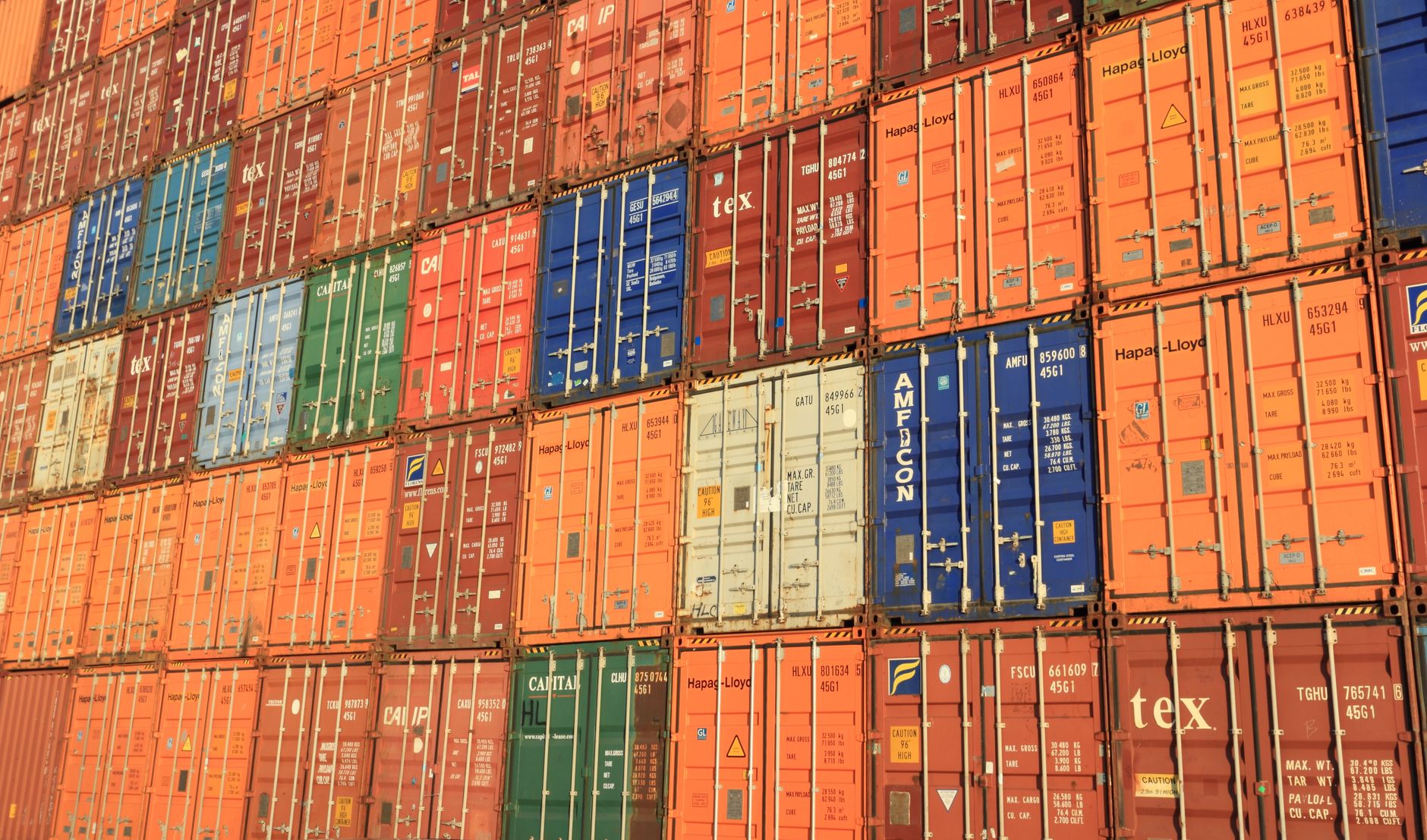
Global shipping involves far more than moving cargo from one country to another. A single shipment may pass through carriers, ports, terminals, customs processes, warehouses, and inland transportation providers before reaching its destination. Each handoff can create another information gap.
Modern freight technology is helping close those gaps. Through digital freight forwarding systems, businesses can bring shipment information, documentation, tracking events, and operational communication into more connected workflows.
The result is not perfect visibility into every moment of a shipment. Instead, technology is making freight movements easier to follow, investigate, and manage.
Table of Contents
Why International Freight Has Traditionally Been Difficult to Track
International shipping depends on multiple independent organizations. Each participant may use different systems and provide information at different stages.
This can leave freight forwarders and their customers relying on emails, spreadsheets, carrier portals, and phone calls to understand shipment progress.
The problem becomes particularly noticeable when something changes. If cargo misses a connection or faces another operational delay, teams may spend valuable time figuring out what happened before they can respond.
Greater connectivity gives them a clearer starting point.
Bringing Shipment Data Into One Workflow
Freight technology can consolidate information that would otherwise be spread across different sources.
Tracking events, reference information, shipment documents, and status updates can be organized into a more accessible digital workflow. Integrations and APIs can also help information move between freight systems and other business applications.
Transparency in global freight is not about generating more data. It is about making relevant information easier to access when decisions need to be made.
This helps employees spend less time manually gathering routine updates and more time dealing with exceptions.
Tracking Creates Better Shipment Visibility
Tracking technology provides operational teams with a clearer picture of shipment progress.
Rather than depending entirely on periodic manual updates, users can review available milestones and transportation events as information becomes available.
That difference changes how freight is managed:
|
Freight Activity |
Fragmented Approach |
Connected Digital Approach |
|
Shipment status |
Emails and manual checks |
Centralized tracking information |
|
Documents |
Separate files and messages |
Organized digital records |
|
Delays |
Discovered through follow-up |
Exceptions identified earlier |
|
Communication |
Repeated status requests |
Shared shipment visibility |
|
Reporting |
Manual consolidation |
Searchable operational data |
Visibility is still dependent on the quality and availability of source data. Technology cannot display information that carriers or connected systems have not provided.
Digital Documentation Improves Transparency
Physical transportation is only part of freight forwarding. Documentation accompanies cargo throughout international trade.
When documents are exchanged through disconnected emails and local files, it can be difficult to determine which version is current.
Digital workflows can provide more structured document management and make relevant information easier for authorized employees to retrieve.
This is especially useful when teams need to investigate an exception. Instead of searching multiple inboxes, they can begin with a more organized shipment record.
Exception Management Becomes More Proactive
The greatest value of transparency often appears when a shipment does not move according to plan.
A routine shipment may require little intervention. A delay, documentation problem, or unexpected routing event can require immediate human attention.
Connected freight systems can help teams identify these exceptions earlier and focus attention where it is most useful.
Automation may handle repetitive status processing and notifications, while freight professionals investigate causes, communicate with partners, and determine appropriate next steps.
Technology supports decisions rather than replacing the expertise behind them.
Customers Gain a Clearer View of Their Shipments
Transparency also changes communication between freight providers and customers.
When shipment information is difficult to access, customers may need to request updates manually. Operations teams then spend time finding the latest status and responding to recurring questions.
Providing appropriate digital visibility can reduce this back-and-forth.
Customers can access shipment information more directly, while freight teams can focus on situations that require explanation or action.
Clearer information also helps other business functions plan around transportation activity, including inventory, purchasing, and fulfillment teams.
Historical Data Adds Context
Freight technology does more than show where shipments are currently located.
Historical information can help organizations understand recurring patterns across routes, carriers, shipment types, or operational processes. Teams can use this information alongside their practical experience when reviewing logistics performance.
Historical data does not predict every disruption. Global freight remains exposed to changing transportation conditions and events outside an organization's control.
It does, however, provide additional context for planning and process improvement.
Transparency Still Depends on People and Processes
Technology cannot make global shipping completely transparent on its own.
Information must be accurate, systems must integrate properly, and employees must follow consistent processes. Different participants in the transportation chain may also provide different levels of data.
Human expertise therefore remains essential.
Freight professionals interpret shipment information, investigate unusual events, communicate with partners, and determine how to respond when plans change.
The strongest digital workflows make that work easier by giving people better access to relevant information.
A Clearer View of Global Shipping
Freight forwarding has historically involved information moving across many organizations at different speeds. Connected technology is gradually replacing some of those fragmented processes with more accessible shipment data, digital documentation, automated updates, and searchable records.
That increased transparency can improve communication and help teams recognize exceptions sooner.
Global shipping will always involve uncertainty. Weather, port congestion, transportation capacity, documentation issues, and other factors can disrupt even carefully planned movements.
Freight forwarding technology cannot remove that complexity. What it can do is make the journey easier to track, giving businesses and logistics professionals better information to manage what happens along the way.